The CIC was established in 2011 to offer urban design guidance and policy expertise to marginalised communities who often lack power in urban development processes. It works to address inequalities in cities and to develop more inclusive urban spaces by promoting participative city-making processes.

Publica CIC
Publica CIC, our community interest company, is the not-for-profit sister organisation to Publica Associates.
Inclusive Cities
Designing inclusive public spaces is fundamental if we want to create places that foster civic pride and a sense of belonging. Achieving this requires a fundamental shift in how the built environment sector operates to ensure that more voices and a wider range of people with lived experiences and deep local intelligence shape how we design cities.
Designing inclusive cities is an exercise in care: it requires us to care about the experiences of people who feel unsafe in public space, avoid certain places at certain times, face barriers to access or who feel that places are not for someone like them. It requires designers and planners to confront the complexities of our shared urban spaces, and the range of meanings and experiences people attach to places, which can sometimes be in tension with one another.

What We Do
Publica CIC works directly with community groups, resident associations, developers, designers, and policymakers to create inclusive public spaces in the following four ways:
Policy, guidance and strategies
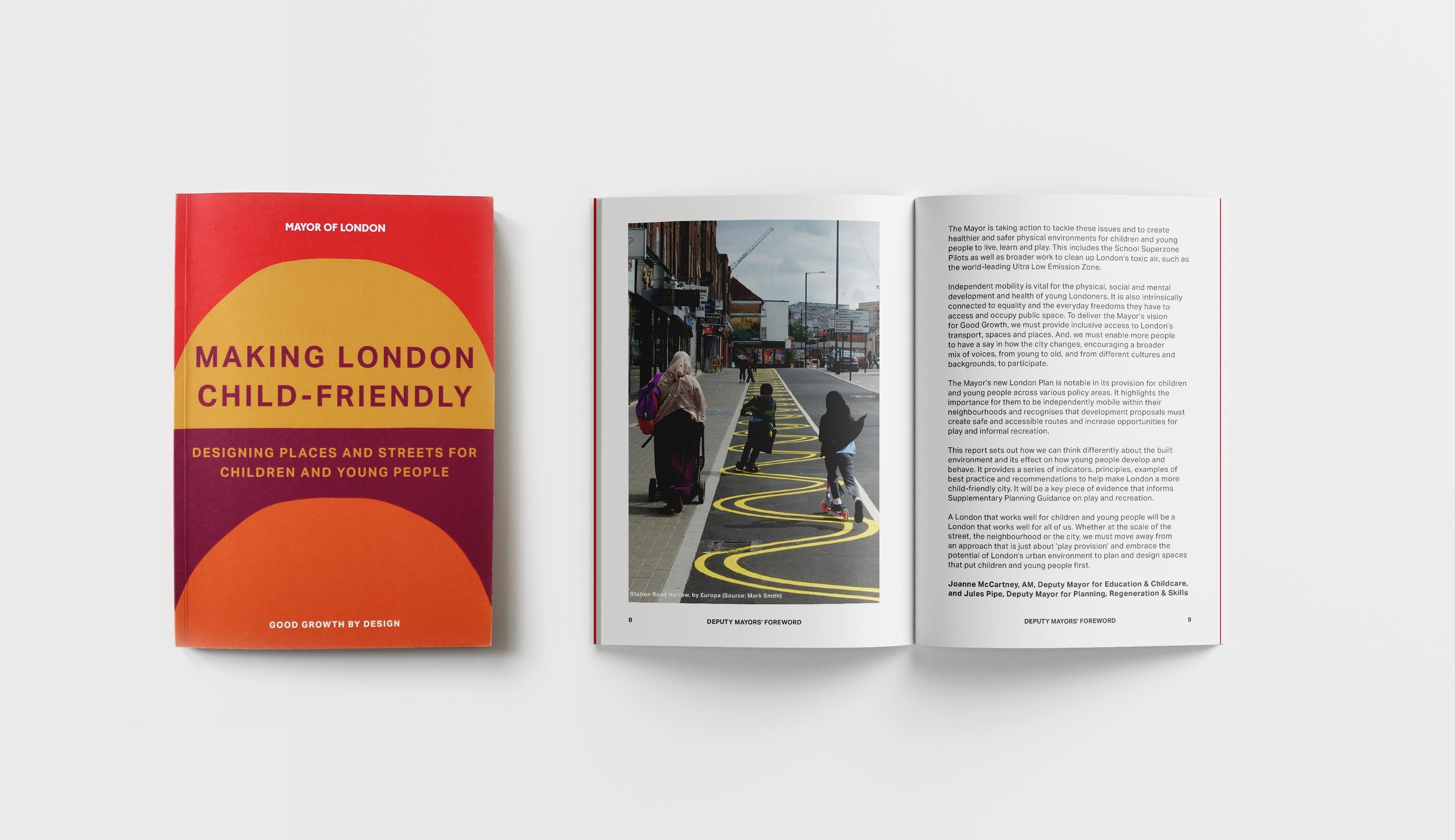
We have set regional policy and developed public realm design guidance for organisations including the Greater London Authority and the UK’s largest developer to mainstream inclusive design approaches and best practices in the delivery of public spaces.
Community participation, research and design
Our practice is rooted in sharing power with communities. We create and facilitate opportunities for people to shape urban discussions in meaningful, creative, immersive and enriching ways. Across our projects, we actively involve individuals, communities, and organisations from a project’s inception through to long-term stewardship.
Capacity-building
We deliver creative capacity-building training across the world in both the private and public sectors. We have trained over 600 planning and policy officers and built environment professionals to date.
Advocacy
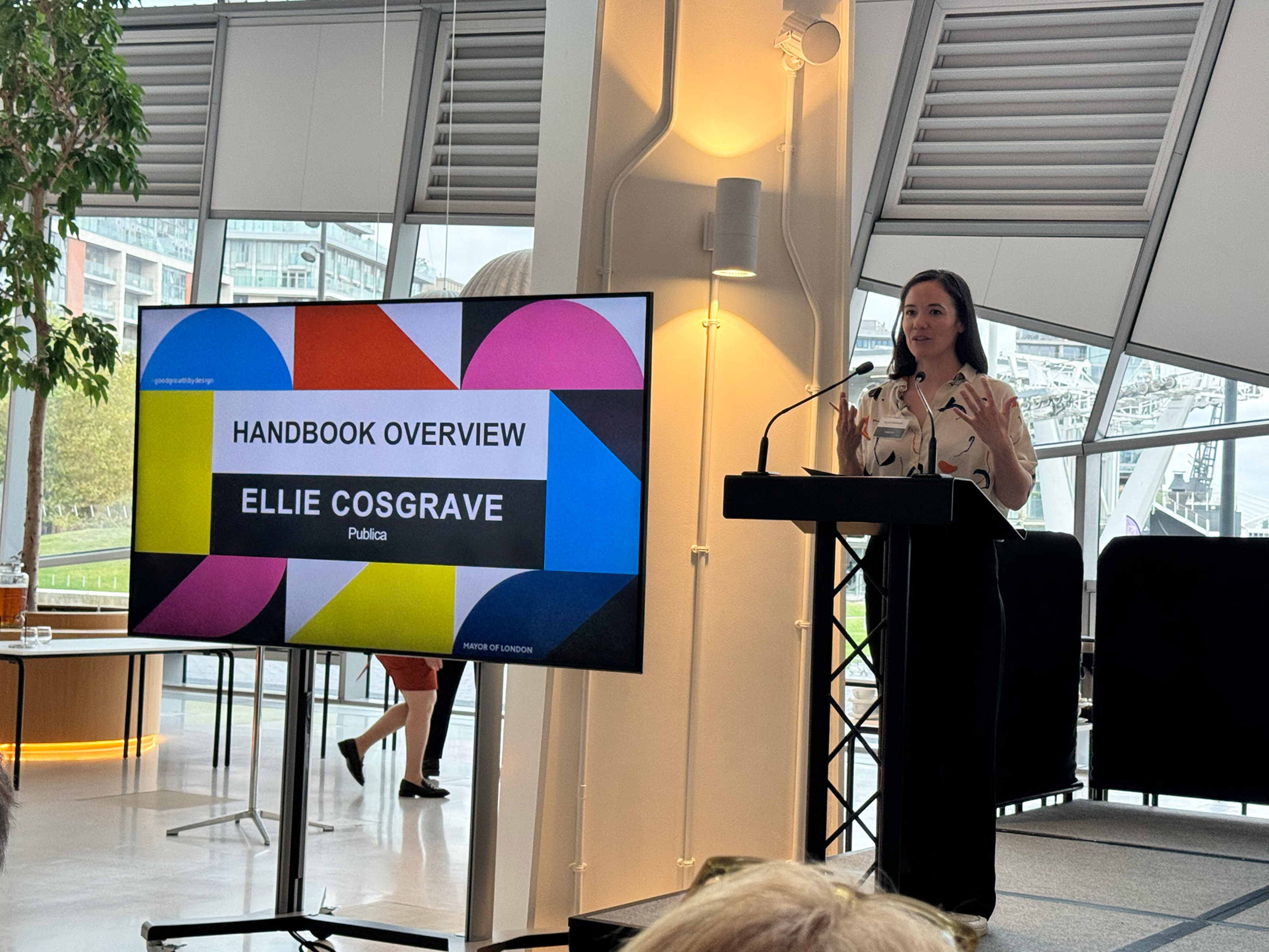
We regularly present our work to audiences across the world, and we’ve convened a network of built environment professionals to develop a community of practice dedicated to sharing knowledge and advancing gender-inclusive public realm design.
Gender Inclusion and the Built Environment
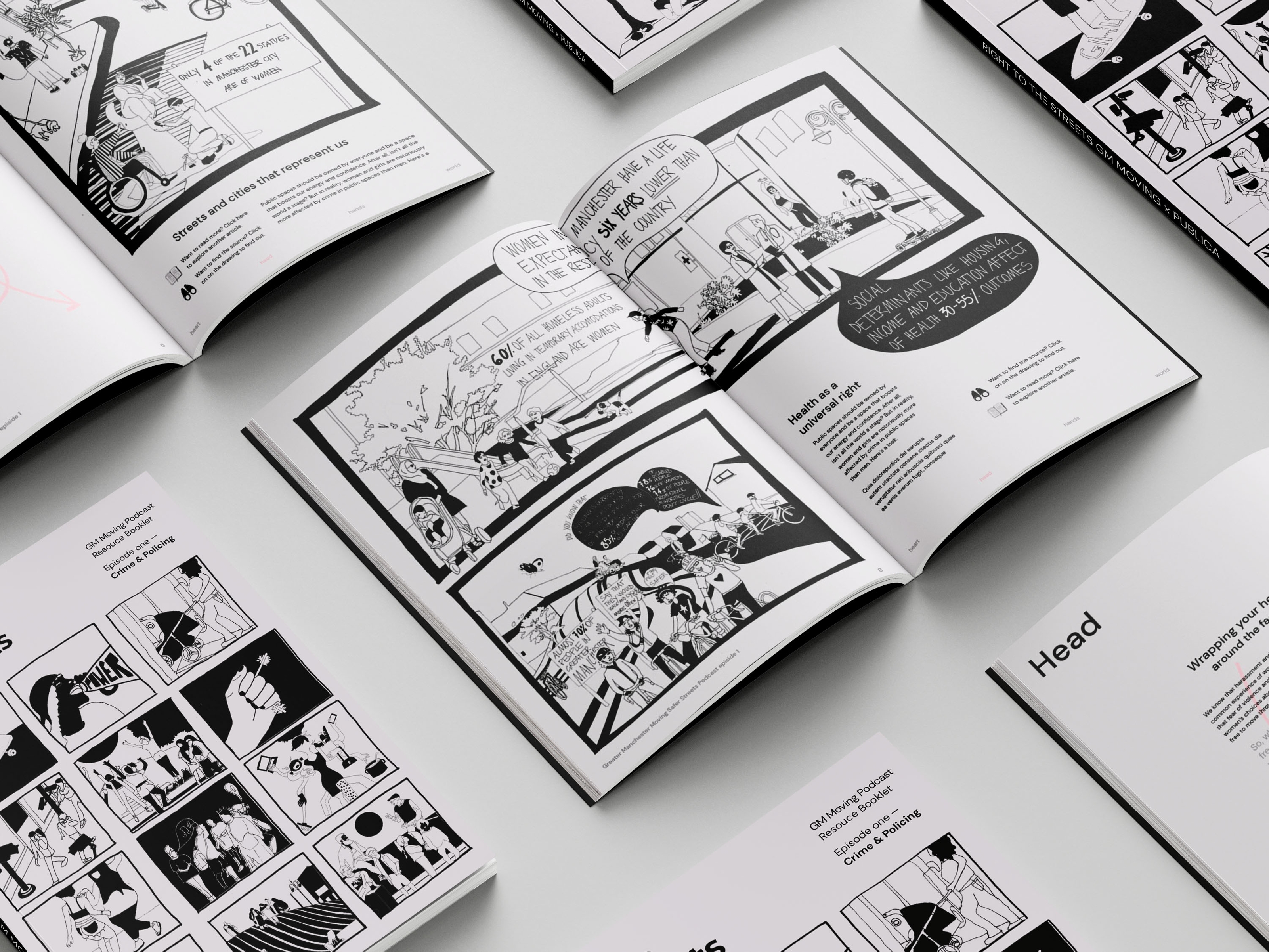
In 2022, Publica CIC launched its first dedicated campaign and programme for developing gender inclusive public spaces. The campaign seeks to transform the built environment sector by mainstreaming gender inclusive approaches to the design and management of public spaces.
We exist to create joyful streets, spaces and places where women can thrive. We do this in partnership with communities, local authorities, developers, landowners, artists and anyone who shares our vision.
Our mission is to support the delivery of design processes and public spaces that welcome women, girls and non-binary people, give them power in their own neighbourhoods, and develop a sense of belonging and ownership of public spaces. We do this by listening to women’s experiences and raising the ambition and capability of the built environment sector to address gender in their work.

Funders
Publica's Campaign for Inclusive Cities has been supported by a body of core funders. Many thanks to The Crown Estate, The Howard de Walden Estate, Almacantar, Bloomberg Philanthropies, HGG and Willmott Dixon.





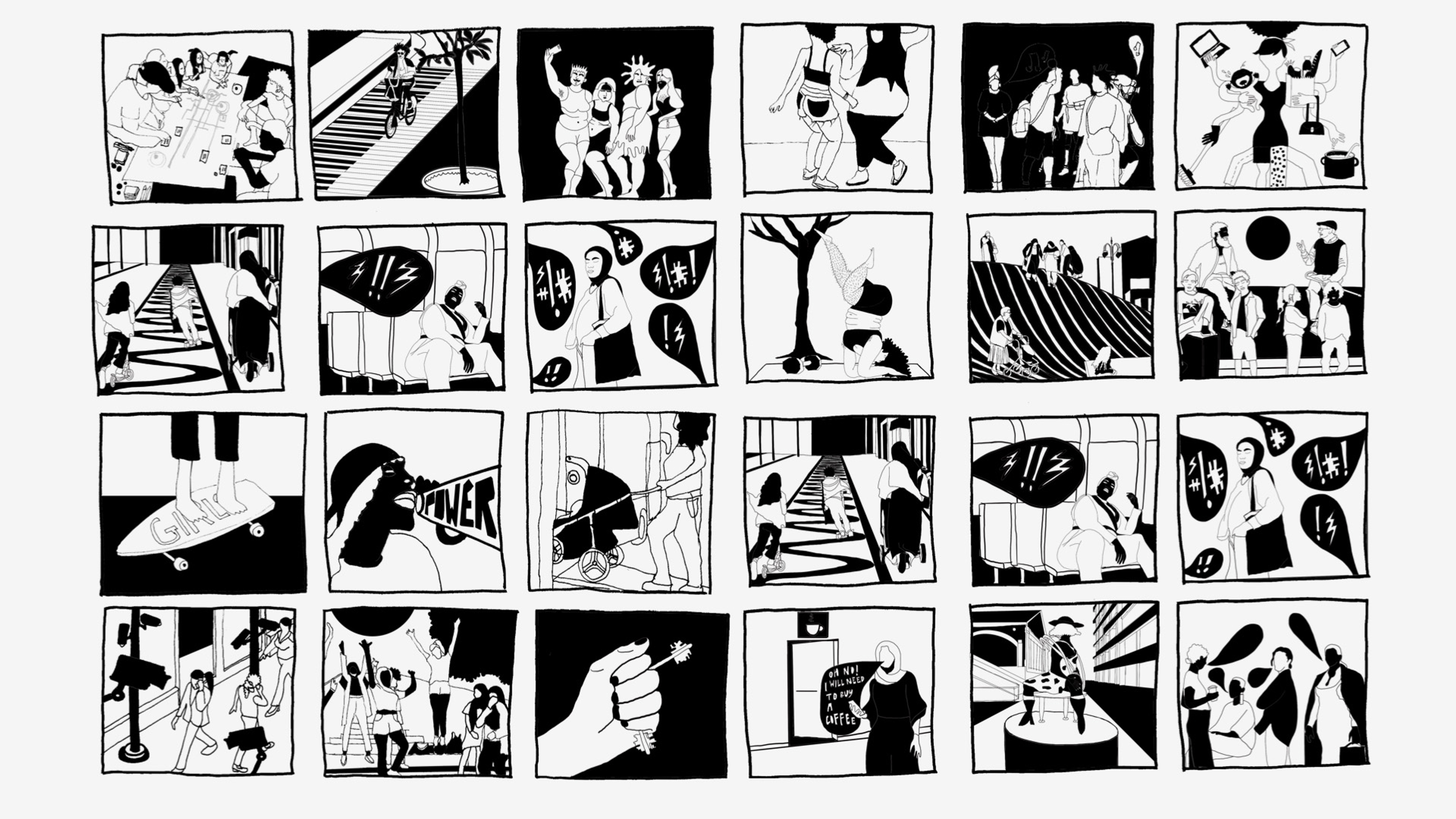
Why Gender Inclusion is a Public Space Issue
Public spaces shape who feels welcome, confident, and able to participate in everyday life. The provision of lighting, seating, toilets, shops, greening, or public art can all signal whether spaces feel like they are “for someone like me.” When streets, parks, community facilities and transport services are designed through participatory processes that centre women’s lived experiences, they become places of shared ownership - where communities build trust, look out for one another, and feel a sense of belonging.
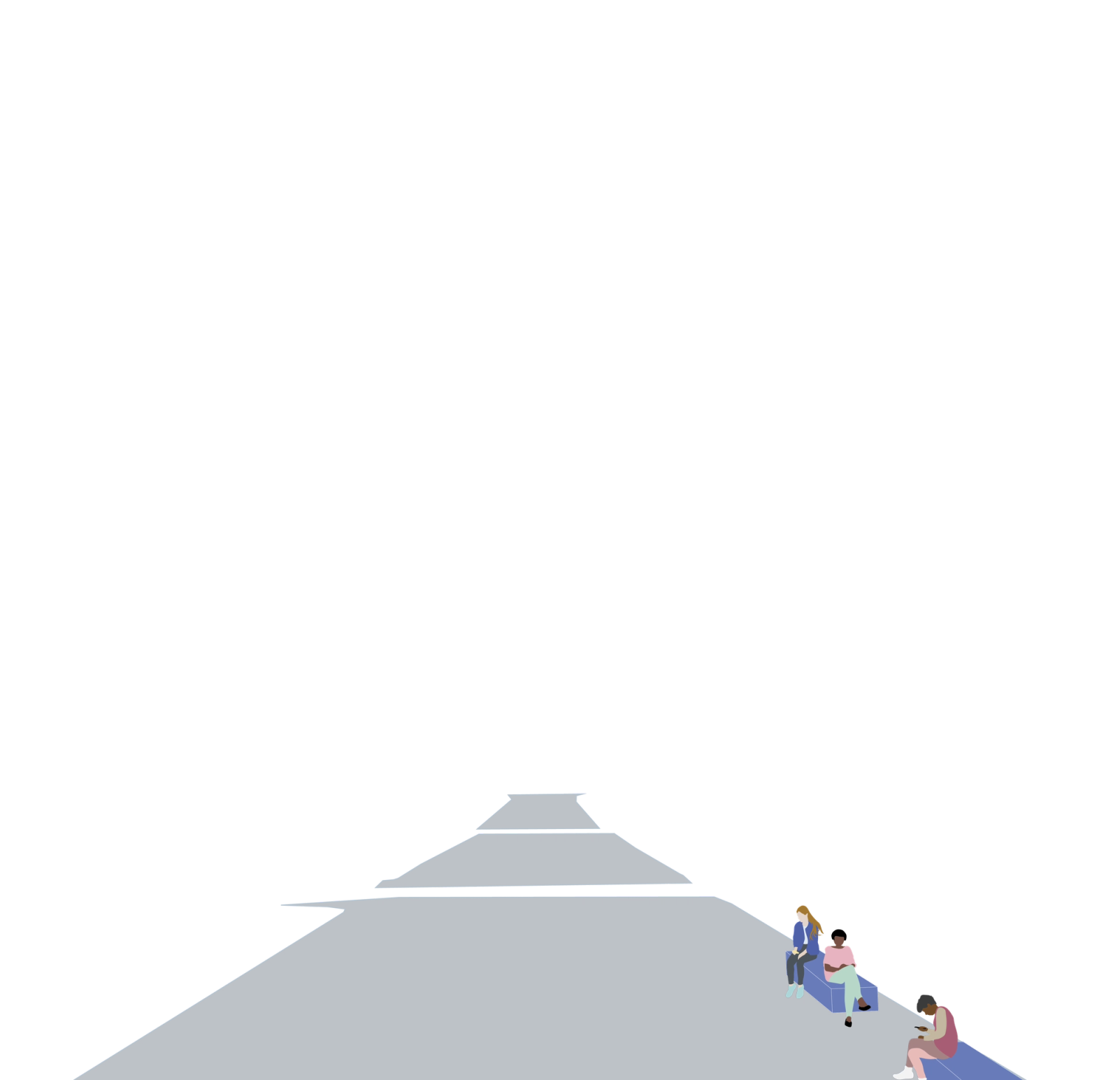
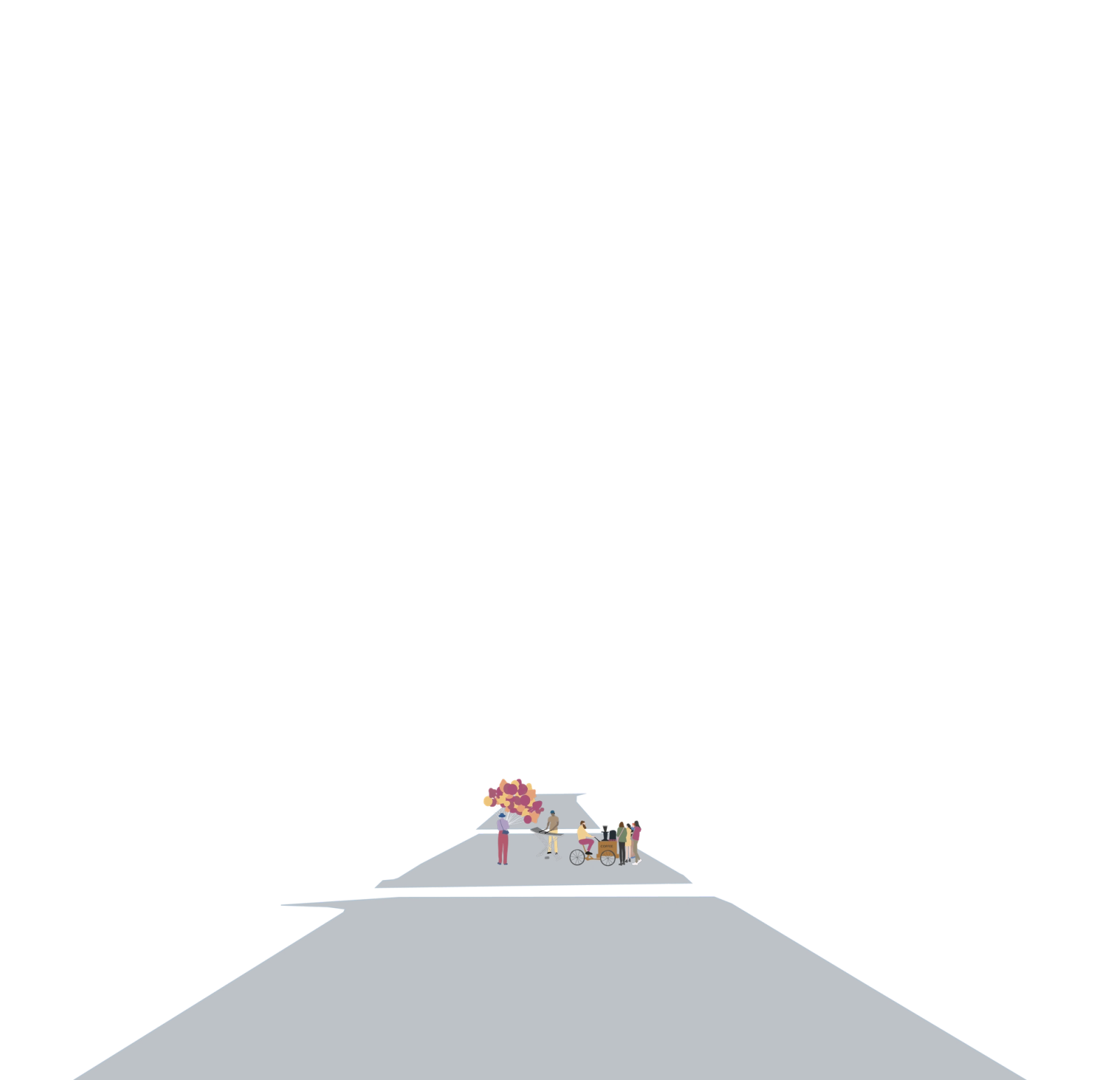
What Do You Want Your City to Look and Feel Like?
The toggles below allow you to start thinking about the wide range of specific design interventions that can support you to feel a sense of safety and belonging in a public space.
Despite the wide range of design interventions listed above, the vast majority of public investment funds security infrastructure and policing. Although these can play an important role in making people feel safer, investing in these interventions alone does not create the types of public spaces people describe when they think about the places they actually feel safe in.


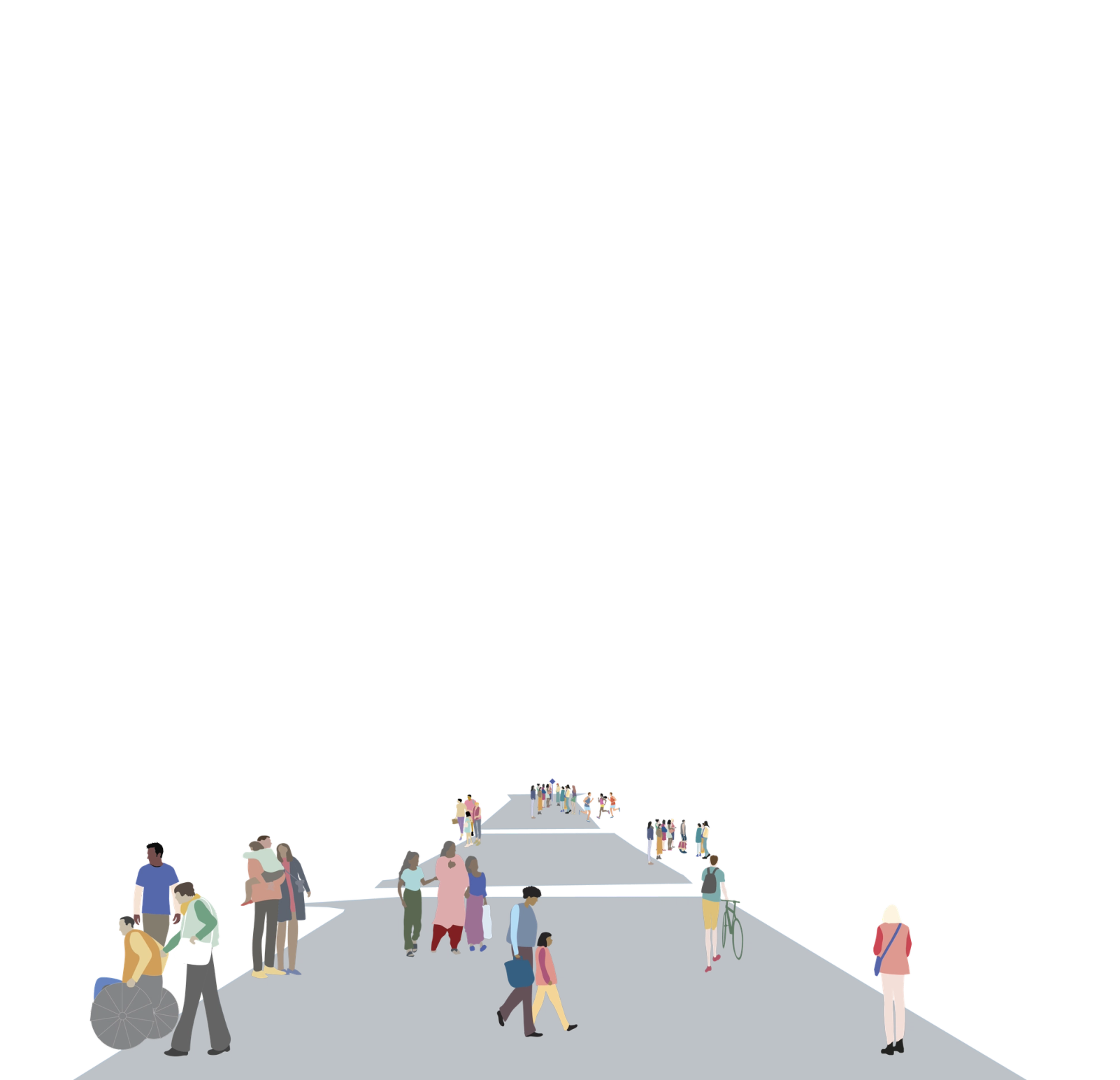
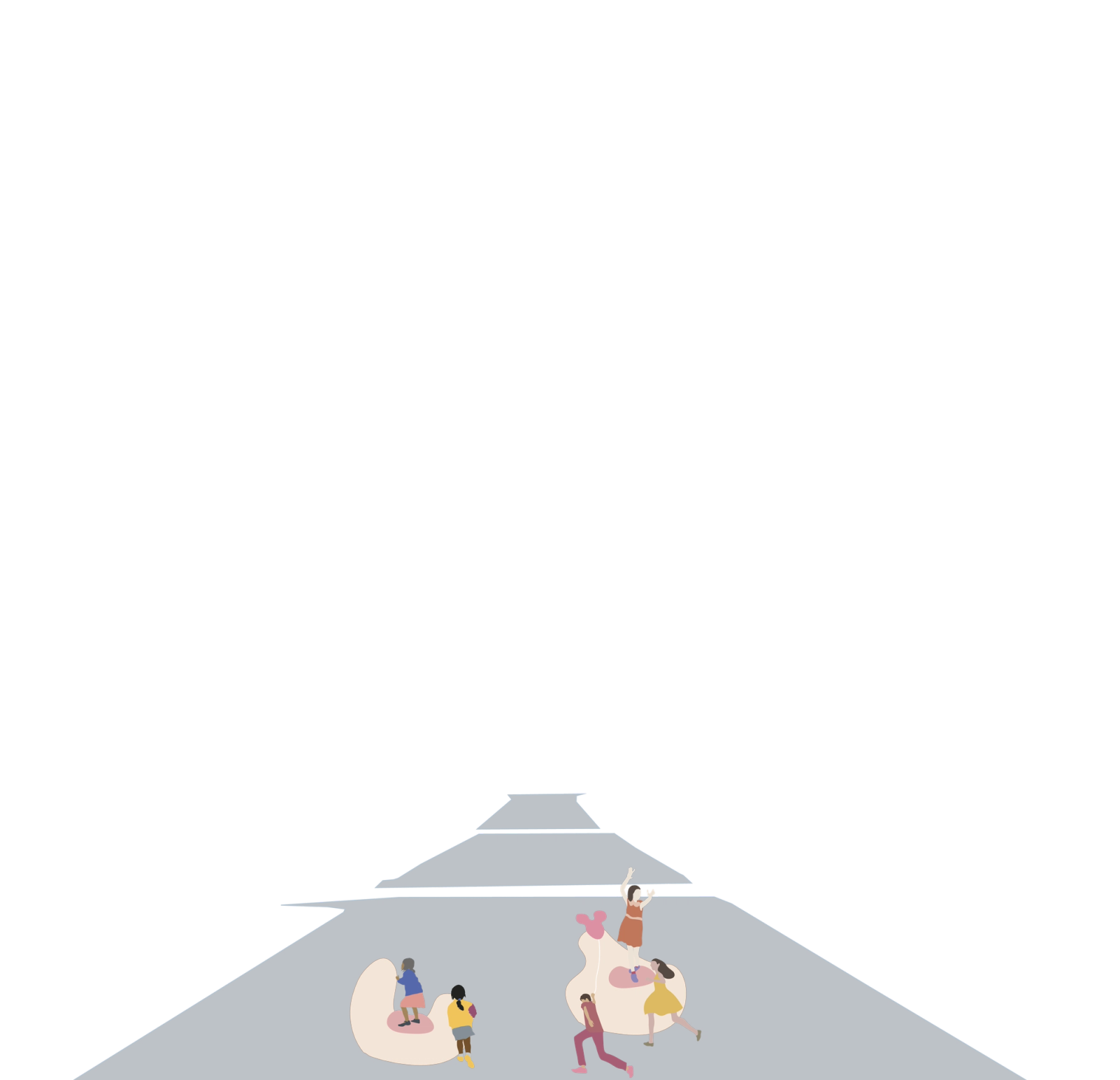
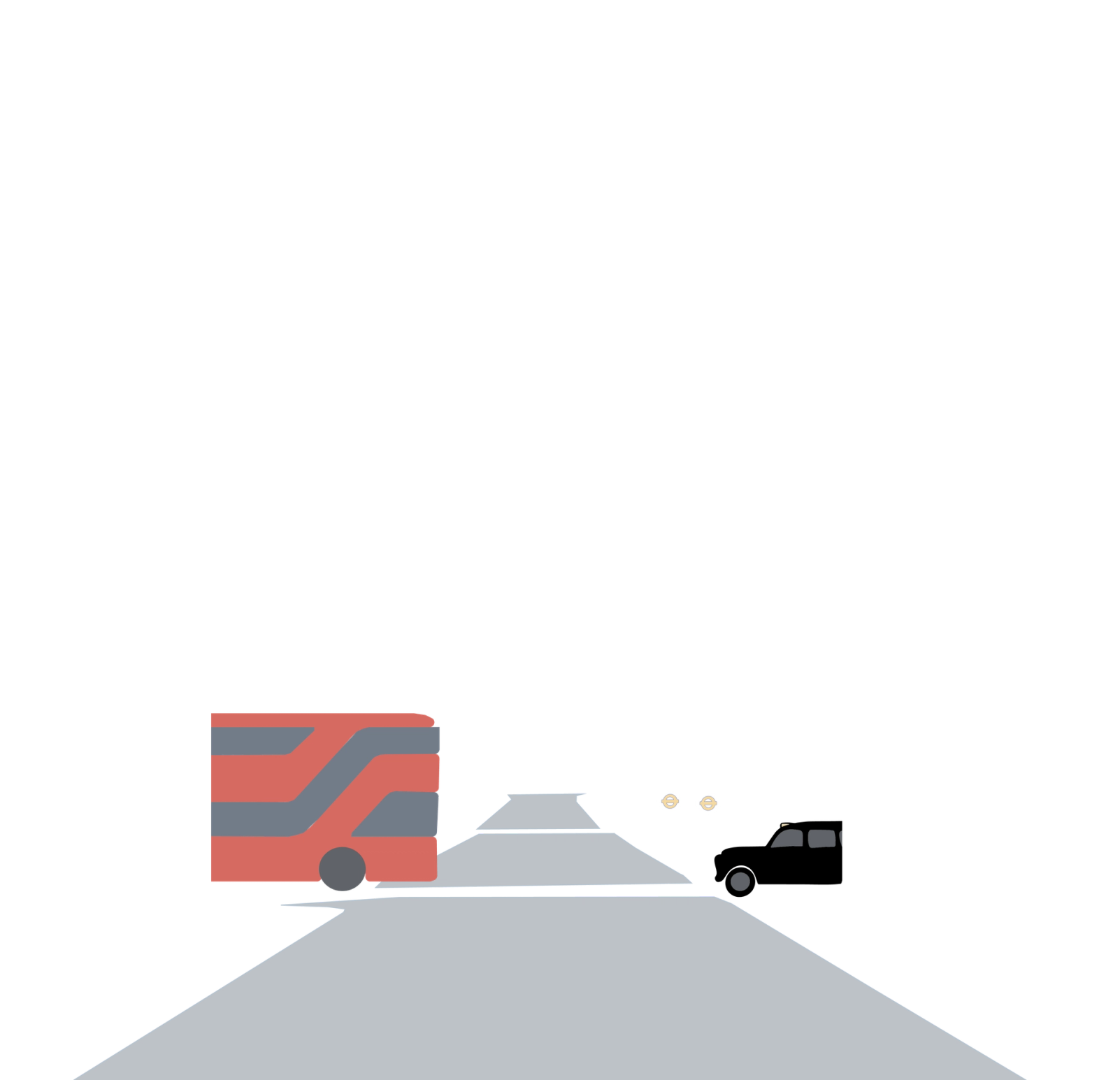


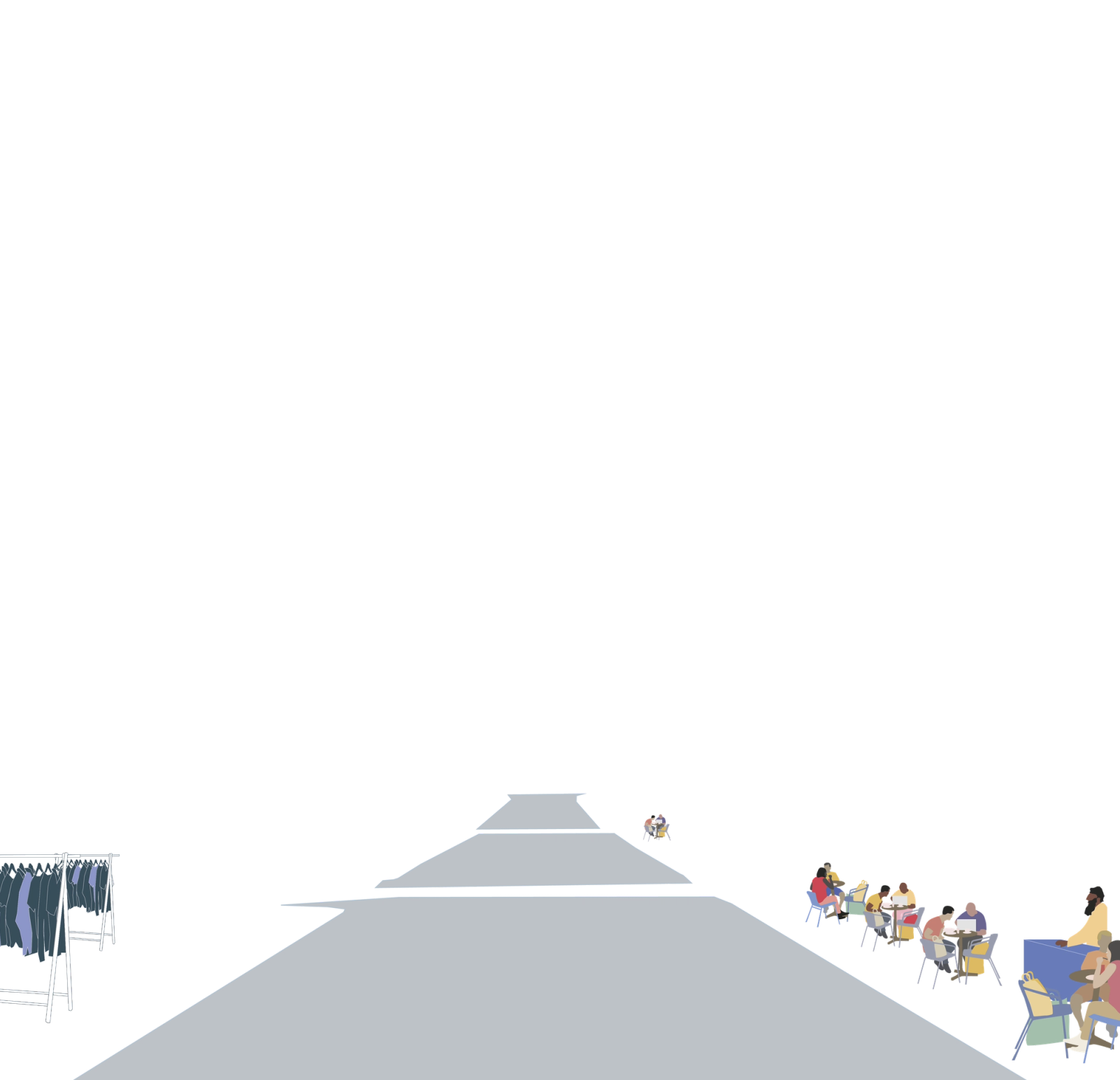


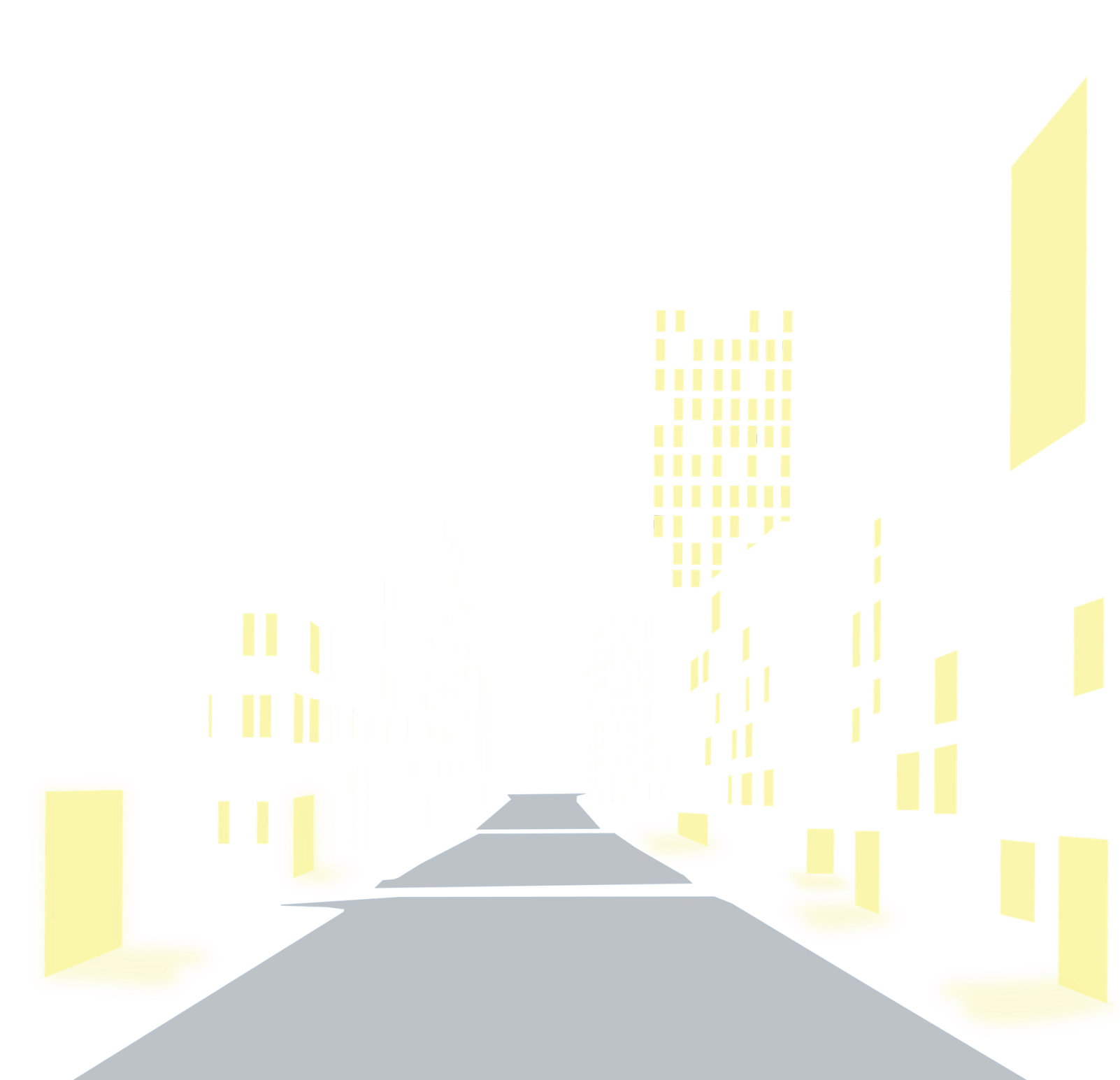
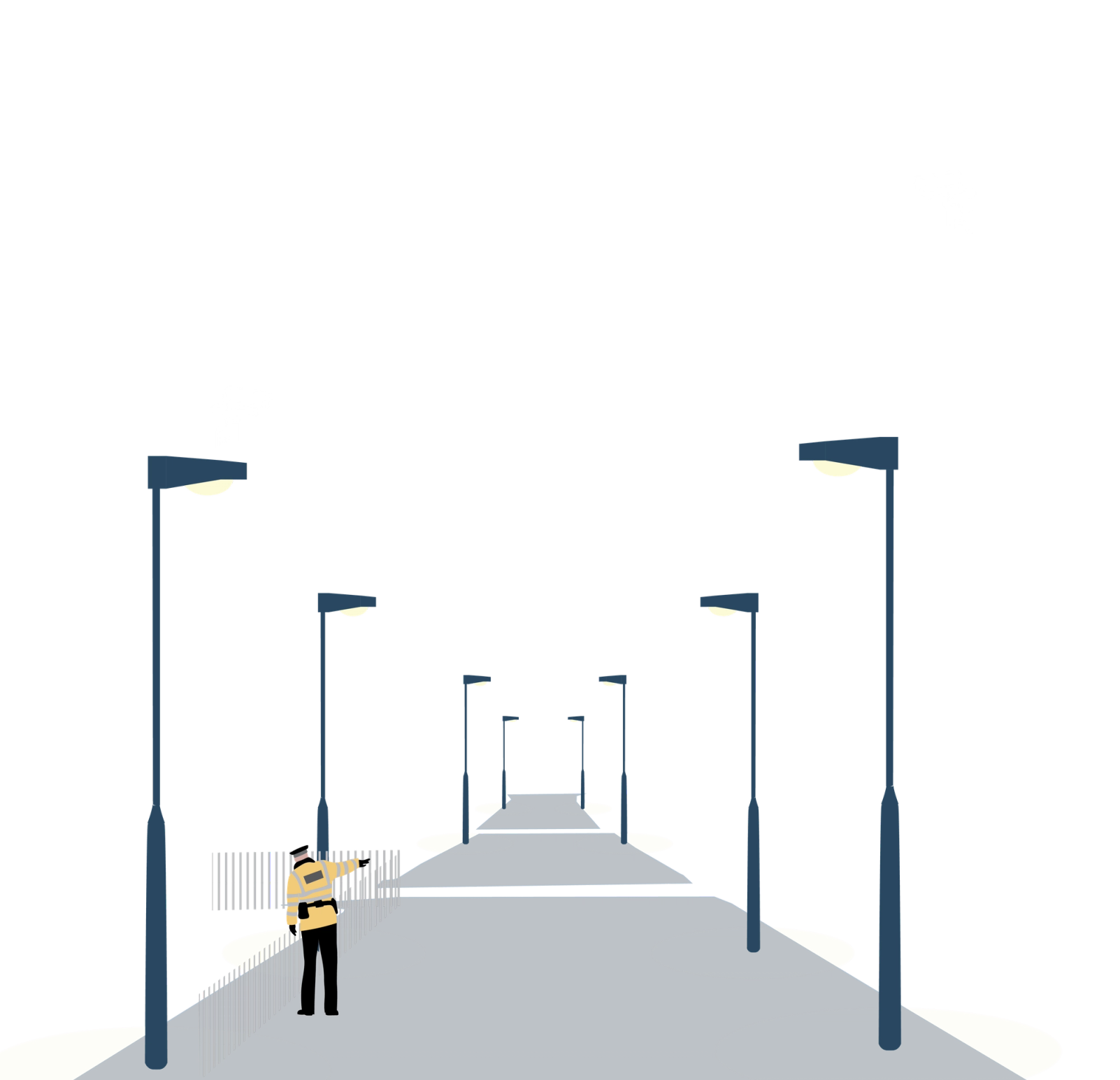
Despite the wide range of design interventions listed above, the vast majority of public investment funds security infrastructure and policing. Although these can play an important role in making people feel safer, investing in these interventions alone does not create the types of public spaces people describe when they think about the places they actually feel safe in.
Next Generation and Child-Friendly Cities
The design of the built environment is a key factor that shapes the independence of children and young people. It enables them to feel part of their local and wider environments, form social connections, play and explore public spaces, thereby contributing to the public life, character and identity of their towns and cities.
Designing cities, streets, transport systems, open spaces and urban environments that promote, enable and support children’s independent mobility is fundamental to supporting the rights of children and enhancing their freedom. However, children and young people’s experiences are not currently given proper consideration in the design of the built environment. There is an opportunity to more systematically engage with children and young people across all stages of a public realm project.
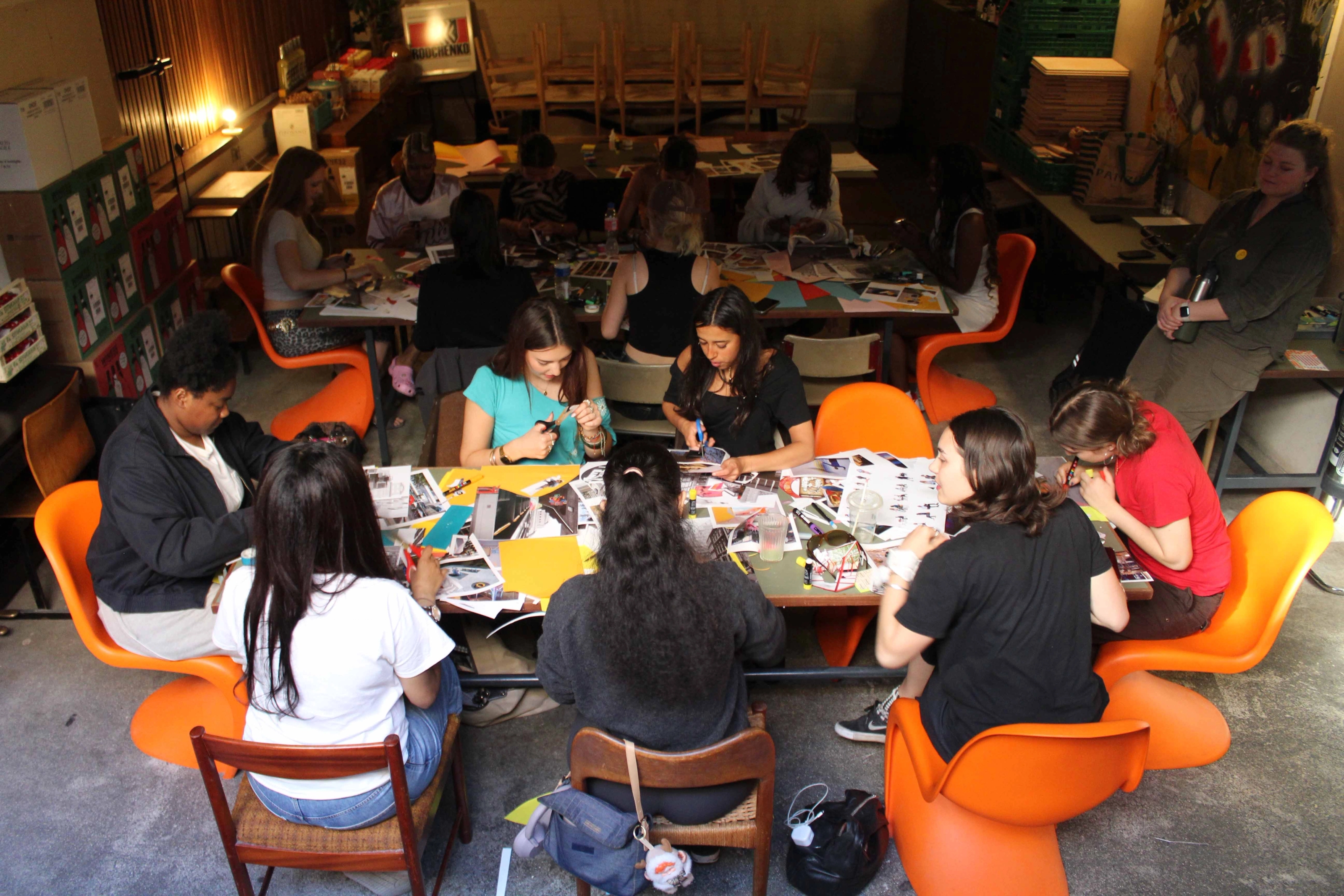
Young people want their voices to be heard and to understand how their input will make a difference to projects. Involving children and young people in design projects can support them to feel safer and a stronger sense of belonging in their neighbourhoods, knowing that their experiences matter and are taken seriously. We use participative and creative approaches to engage with children and young people and use engagement opportunities to introduce them to the built environment sector and build the future skills that the sector will need.
CIC Projects
Addressing gender inclusion in cities requires a whole-systems approach, from making direct changes to public space projects to organisational transformation and cultural change.


Work With Us
We are a collaborative and partnership-based organisation. If you have a project, piece of research or event you are organising and would like to collaborate with us, please contact us at mail@publica.co.uk