Designing Safety, Building Belonging

Addressing gender-based violence in urban spaces

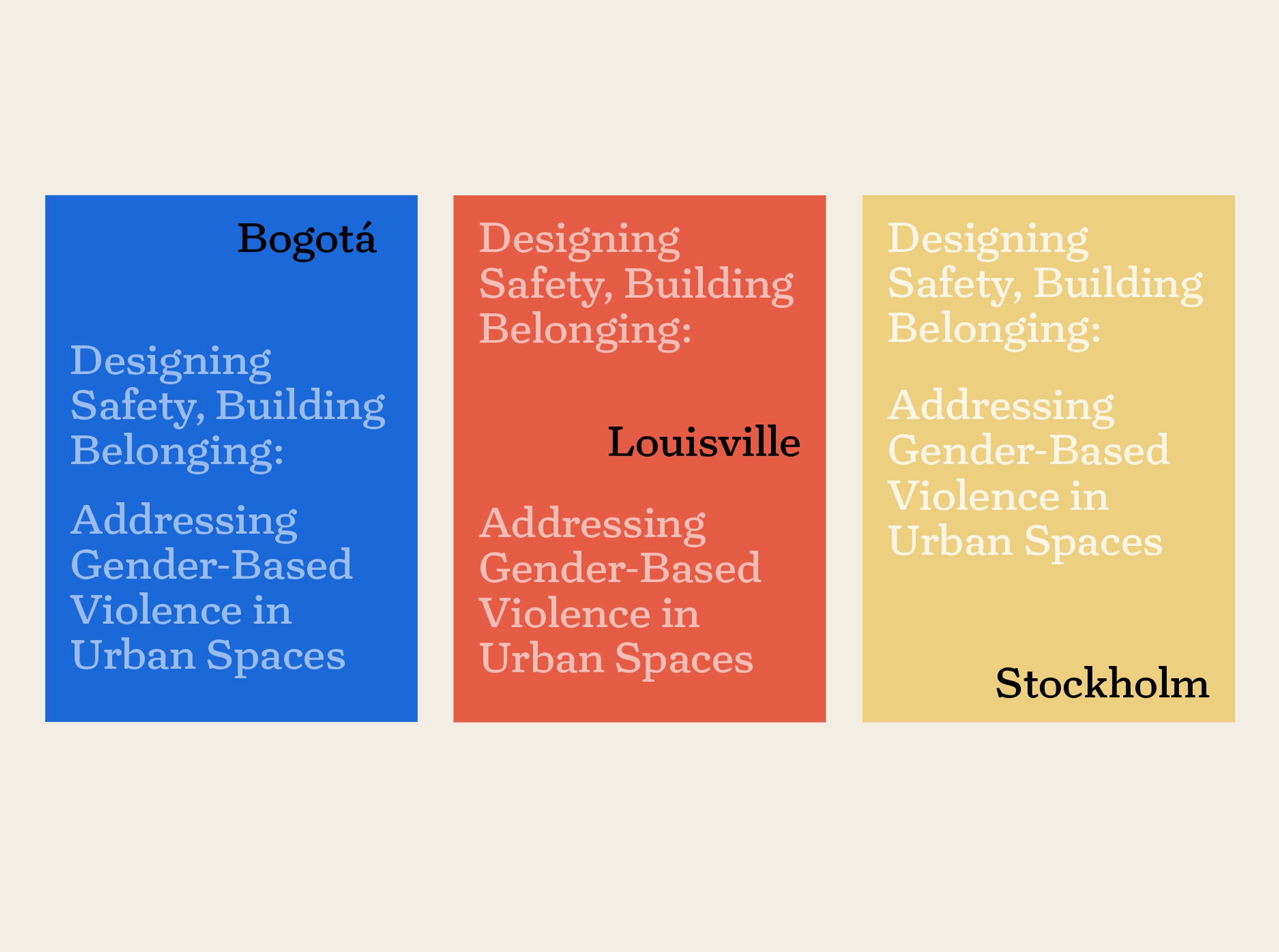
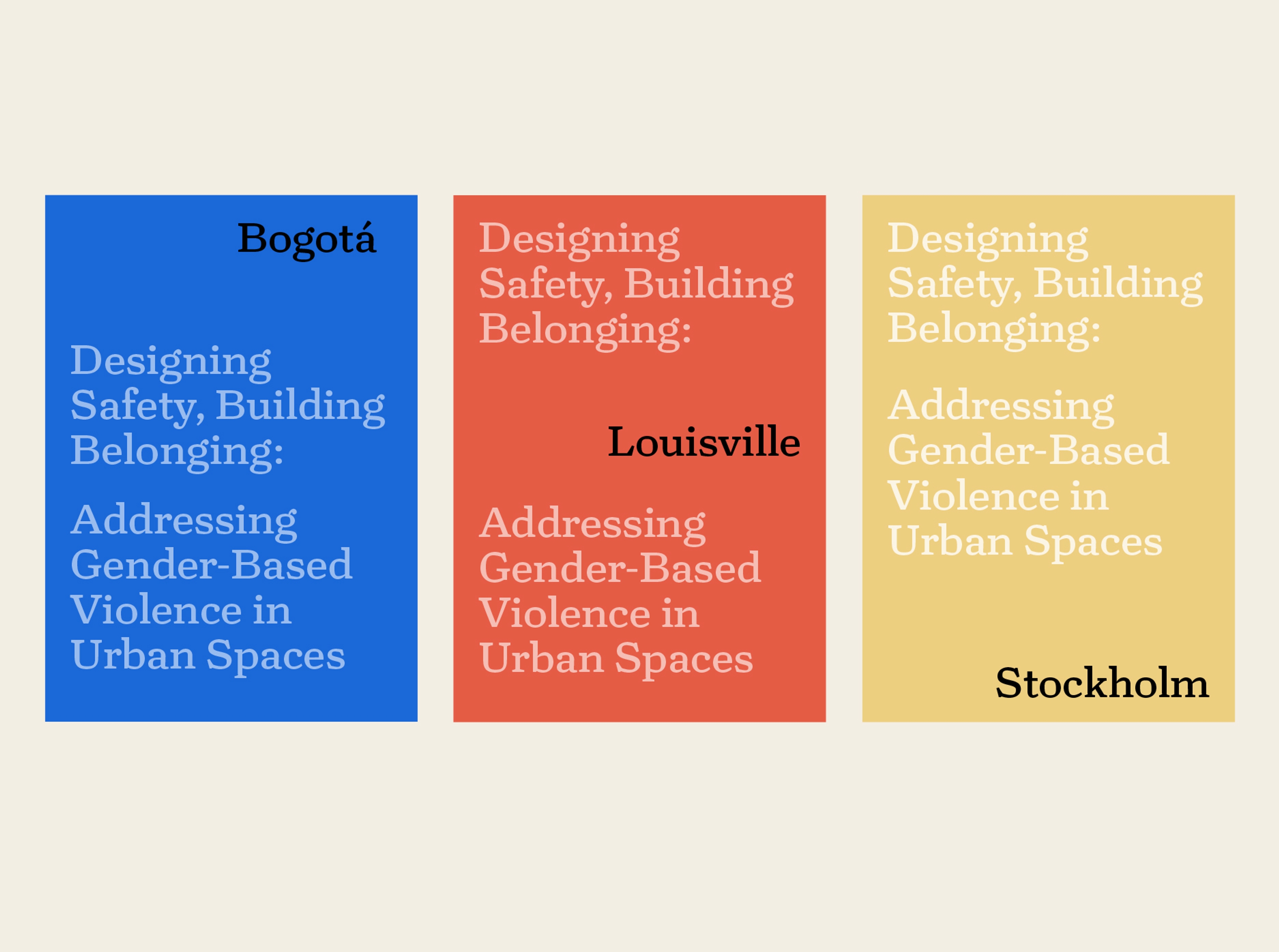
3 report covers all reading "Designing Safety, Building Belonging: Addressing Gender-Based Violence in Urban Spaces". The blue book also reads "Bogotá", the red book reads "Lousiville", and the yellow book reads "Stockholm".

Across cities worldwide, women, girls and non-binary people continue to face alarming levels of gender-based violence (GBV) in public spaces, from our streets to public transport systems. In partnership with The City Hub and Network for Gender Equity (CHANGE), Publica conducted research in Bogotá, Louisville and Stockholm to action a shared commitment these cities have made to create urban environments where everyone can move freely, access services safely and participate fully in civic life.

Louisville, Bogotá and Stockholm are already acting on the opportunities identified by Publica to transform their public realm. This work presents a valuable opportunity to support built environment professionals in other cities within the CHANGE network to develop new skills and set new best practices in gender inclusion. Using the creative, participative feminist methods tested across the three cities, Publica wants to help other cities create and implement their own programmes of action to tackle GBV in public spaces. This work can empower women, girls and non-binary people to be active participants in shaping their own neighbourhoods – and by extension, their lives.
Publica has changed our city. They have lit a fire in so many people, from planners to community members to teen girls, to feel like they can impact the streets and parks and public spaces around them. The work they have done will leave imprints for generations to come.

Gretchen Hunt, Louisville Office for Women

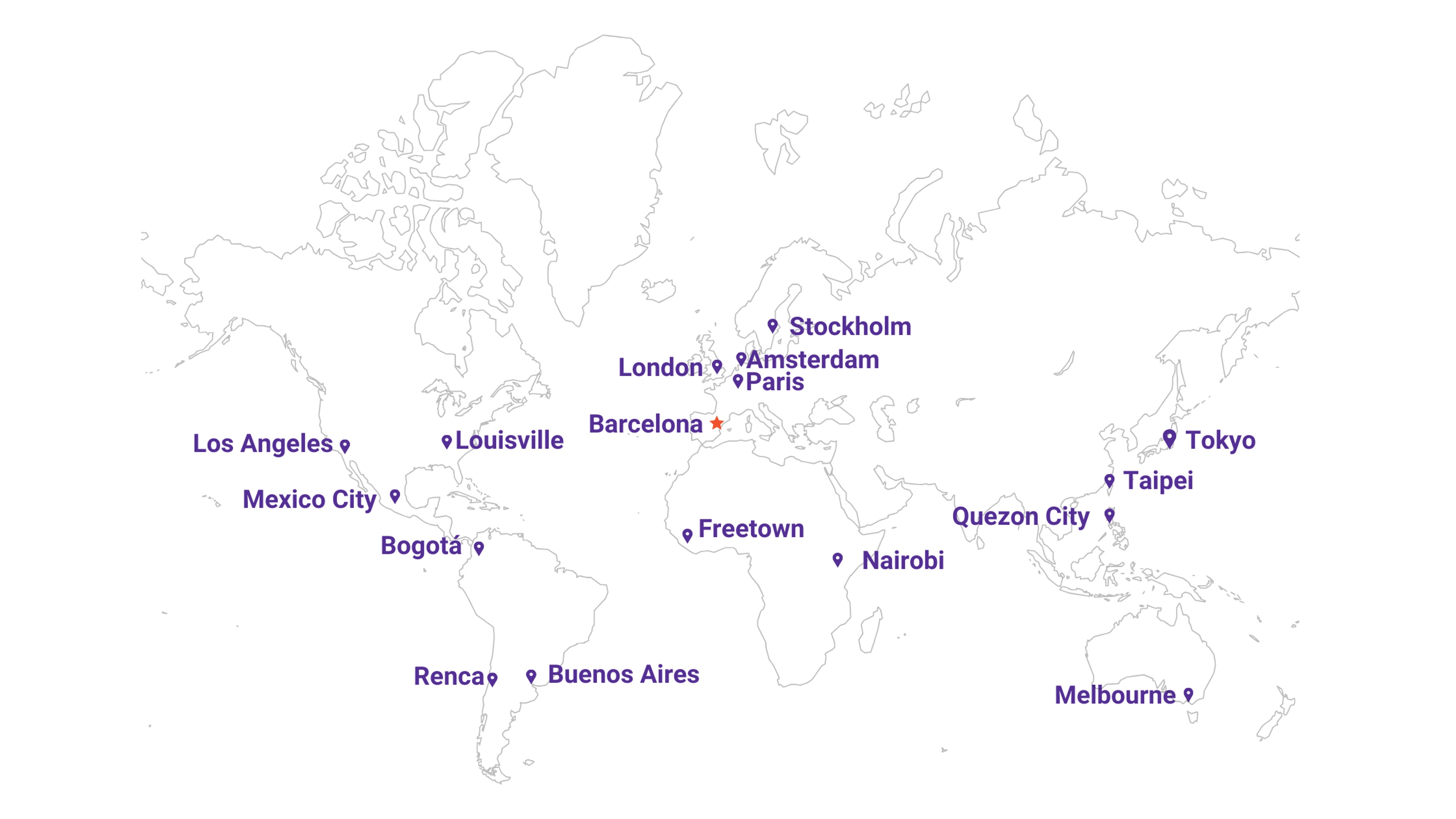
An outline map of the world with cities highlighted; Stockholm, Tokyo, Taipei, Quezon City, Melbourne, Nairobi, Freetown, Barcelona, Amsterdam, Paris, London, Buenos Aires, Renca, Lousiville, Mexico City, Los Angeles and Bogotá.

Bogotá

Bogotá is pioneering initiatives that seek to reduce, redistribute and recognise unpaid care work, which is disproportionately carried out by women. The spatial development plan for the city has been re-written to ensure that care infrastructure, including education, childcare, healthcare, laundry and older adult facilities, are consolidated and co-located in a network of Care Blocks across the city.

To access this social infrastructure, many women rely on public transport such as the city’s expensive TransMilenio Bus Rapid Transit network, where daily journeys are often marked by overcrowding, hostility and harassment. To expand public transport capacity, the city is constructing its first metro system, set to operate in 2028.

In collaboration with Bogotá’s Secretariat for Women (SD Mujer), Publica delivered six workshops with local government agencies, the local community in Barrio Unidos, the city’s largest public transport operator TransMilenio, the Construction Guild, and employees of La Rolita, a women-led local bus service. The sessions explored opportunities to embed gender equity and inclusion in the planning, procurement, construction and governance of large-scale infrastructure projects, including the new metro lines.

In the longer-term, there are opportunities for all projects and public investment to provide new public and civic spaces at the neighbourhood scale that are fully integrated into their surroundings. The full report urges the city to ensure public services and spaces are delivered by and for women, and that their design and management are informed by their testimonies and lived experiences. If these ambitions can be achieved in Bogotá’s largest and most complex urban project, it will set a precedent for mainstreaming gender-inclusive approaches into all future developments for a safer, more accessible public realm for all. 

Building safety for women doesn’t have to create authoritative security. We need to be able to demonstrate that safety can happen through the reinvention of public spaces.

City Official, Bogotá

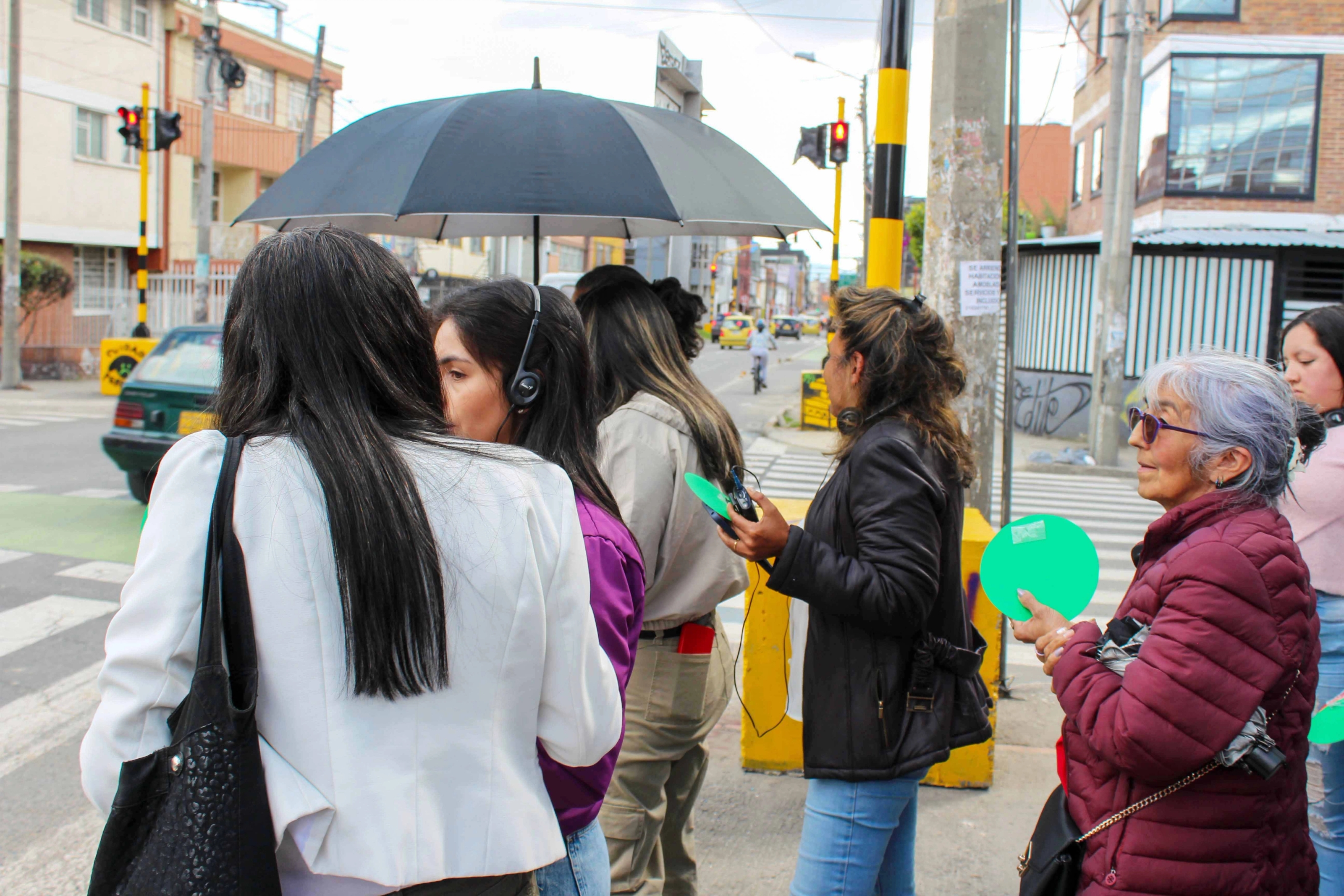
A group of people holding green paper circles waits at a pedestrian crossing.
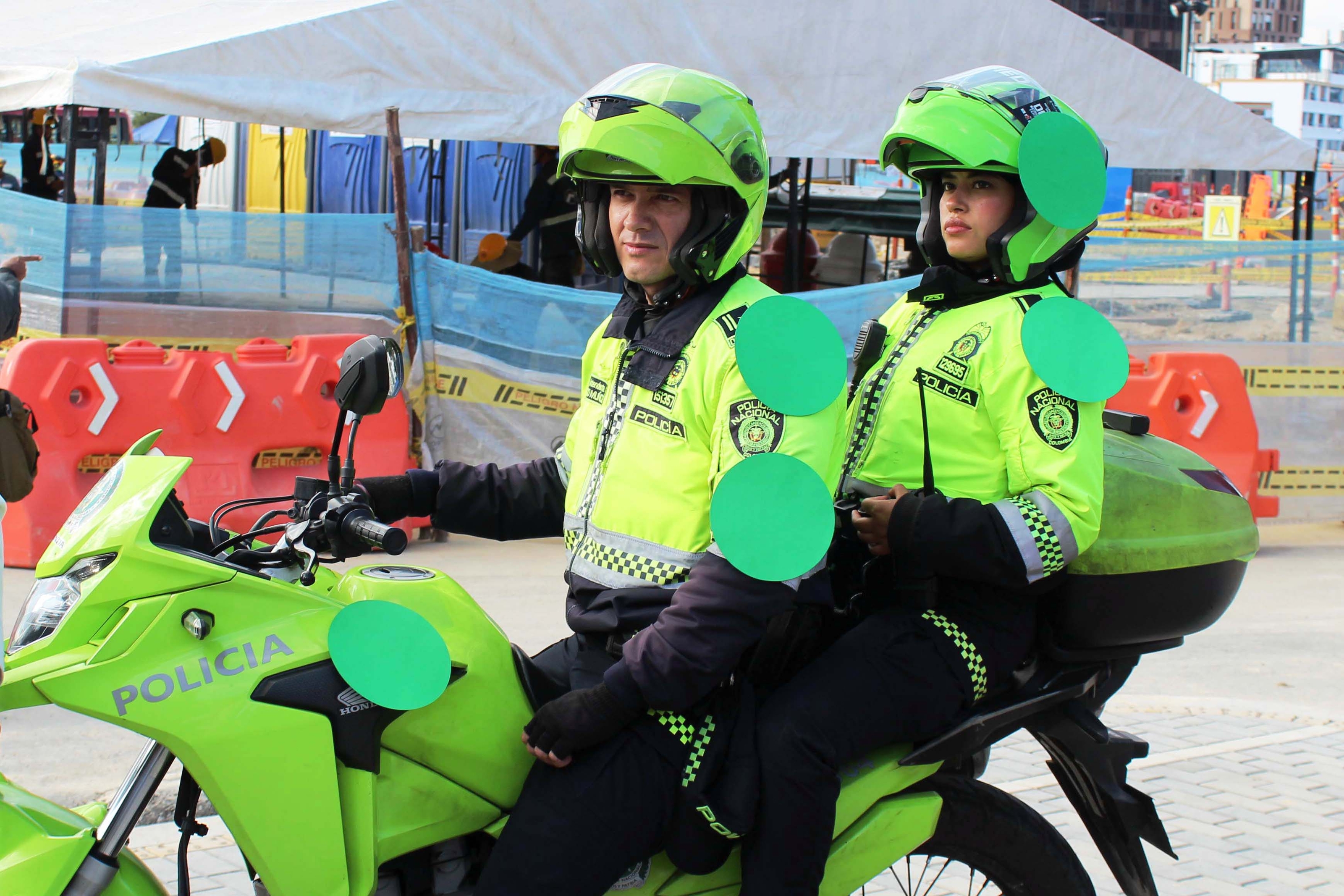
Two police officers sit on a motorcycle wearing hi-vis jackets and helmets. The police officers are have four green paper circles stuck to them.
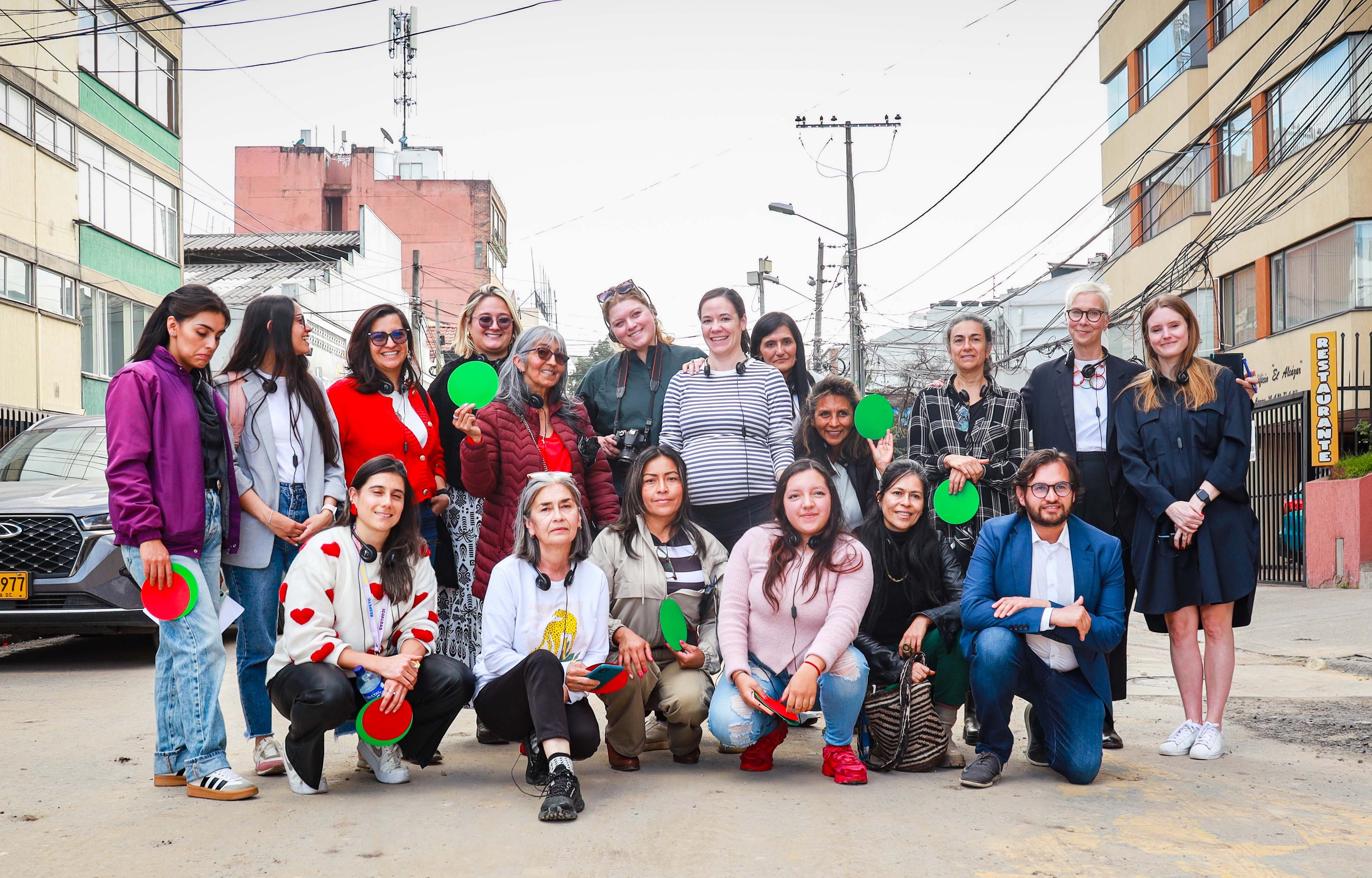
A group of people standing in the middle of a street in Bogotá holding green and red paper circles.
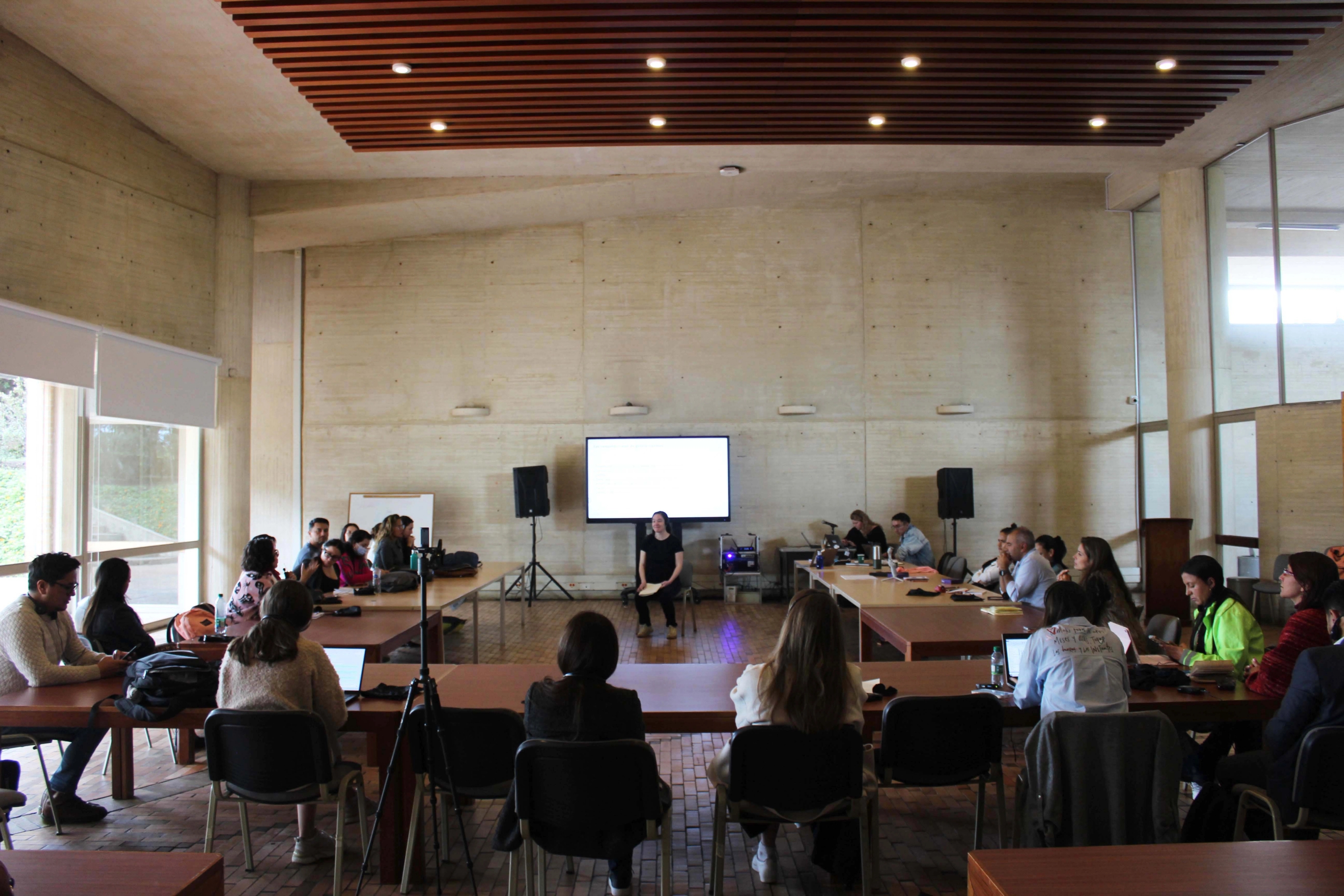
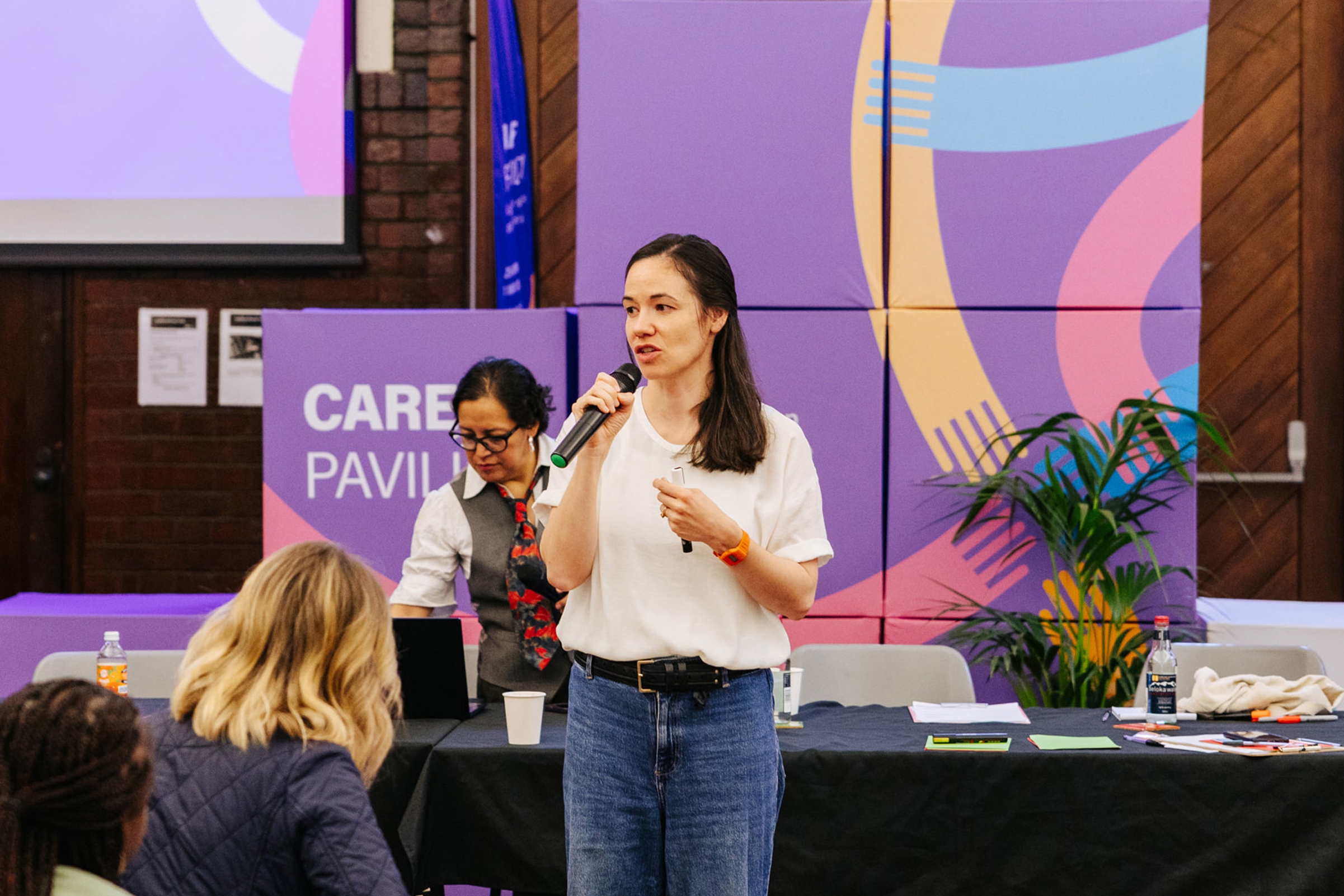
A room full of people sitting at desks facing a screen and a speaker.
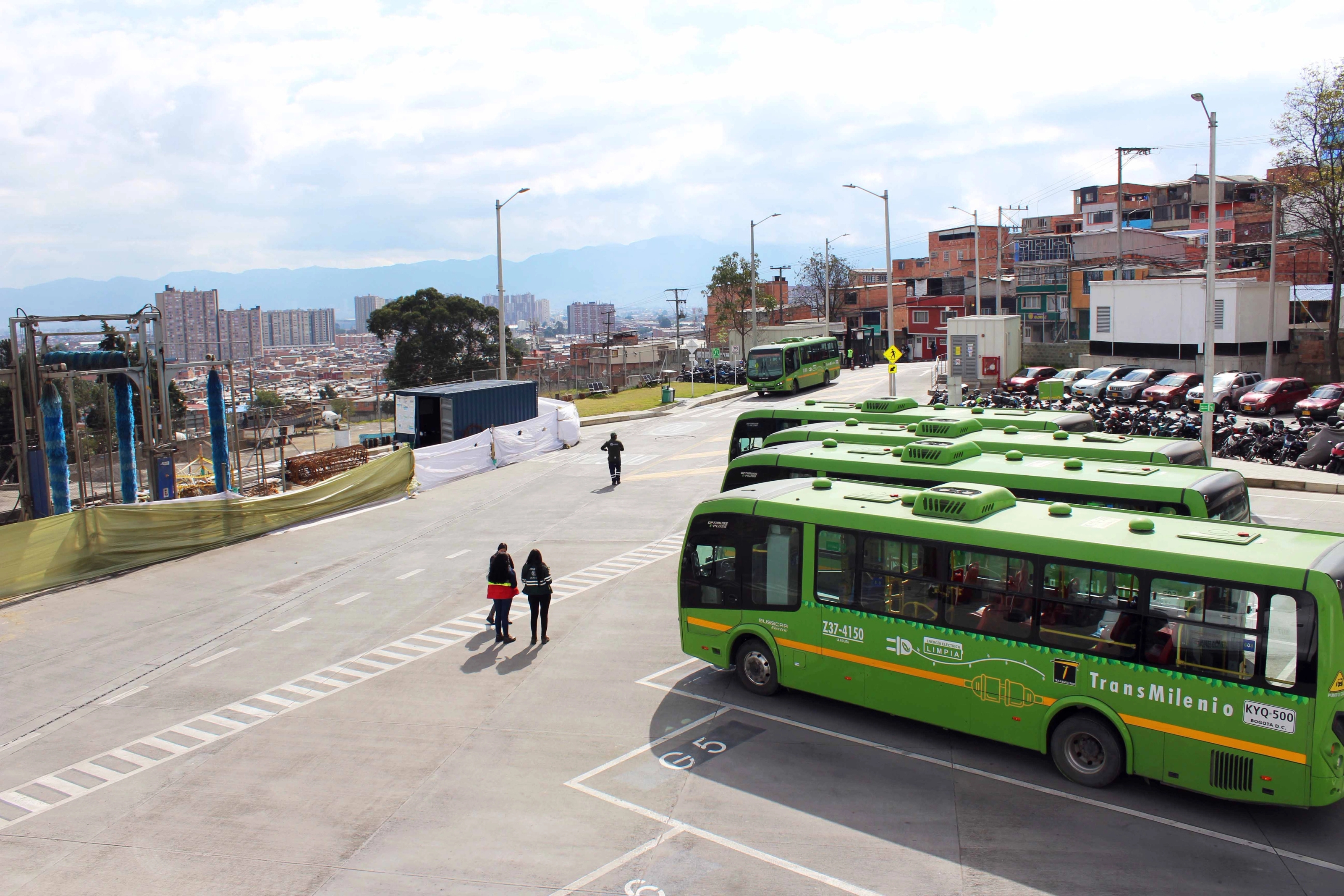
Four green buses are parked in a large outdoor bus depot.

Louisville

Louisville has an opportunity to radically rethink how safety is understood, discussed and built into its public realm. With significant funding secured for transformative streetscape projects along Broadway and 9th Street, the city is poised to address longstanding equity issues and reconnect neighbourhoods such as Smoketown and Russel that have been historically isolated and under-resourced.

Publica collaborated with The Louisville Metro Government Office For Women (OFW) to deliver three community engagement workshops in Smoketown, Russel and La Casita Center. These workshops kick-started a collaborative process with residents and local planners to co-develop visions for a safer city, centring the experiences of women and girls in public spaces.

OFW is leading efforts to embed gender equity into city planning. Through its Ambassador programme, which recruits a cohort of residents from every metro council district to serve as community connectors, the OFW is ensuring that women’s voices shape urban design and planning policy.

Publica’s researchoutlines howOFW and its Ambassador network can take a more formal role in shaping public spaces by deepeningpartnerships with Louisville’s active and ambitious community groups and philanthropic organisations. The city is being reshaped by local grassroots activism. Initiatives such as tree planting to tackle shade inequity, community murals celebrating local histories, new Community Land Trusts, women-owned business walks and new parks are makingcommunity activity, care and connection visible andcreating a safer, more inclusive city.

Publica has changed our city. They have lit a fire in so many people, from planners to community members to teen girls, to feel like they can impact the streets and parks and public spaces around them. The work they have done will leave imprints for generations to come.

Gretchen Hunt, Louisville Office for Women

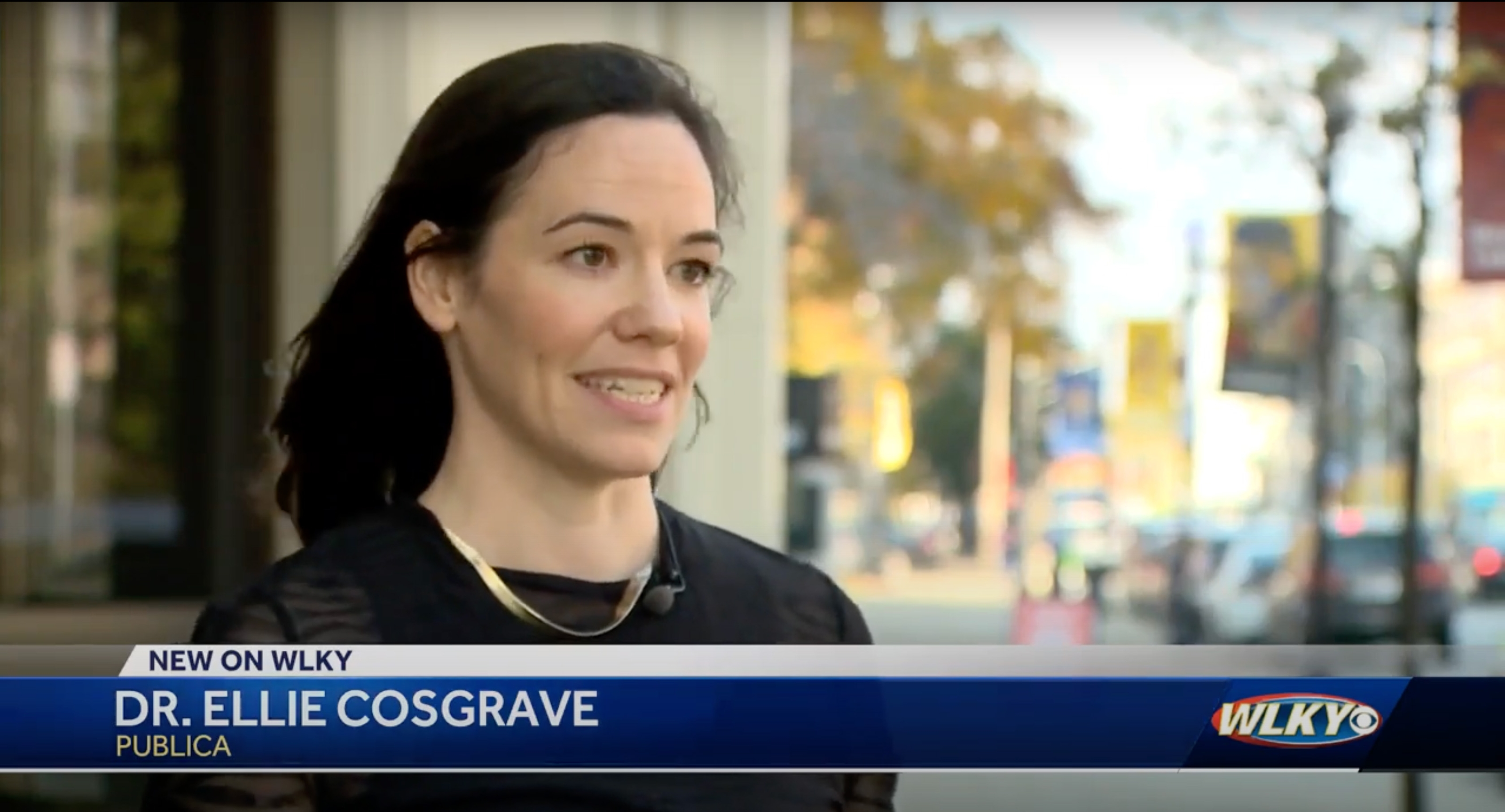
Dr Ellie Cosgrave being interviewed on a local news channel.
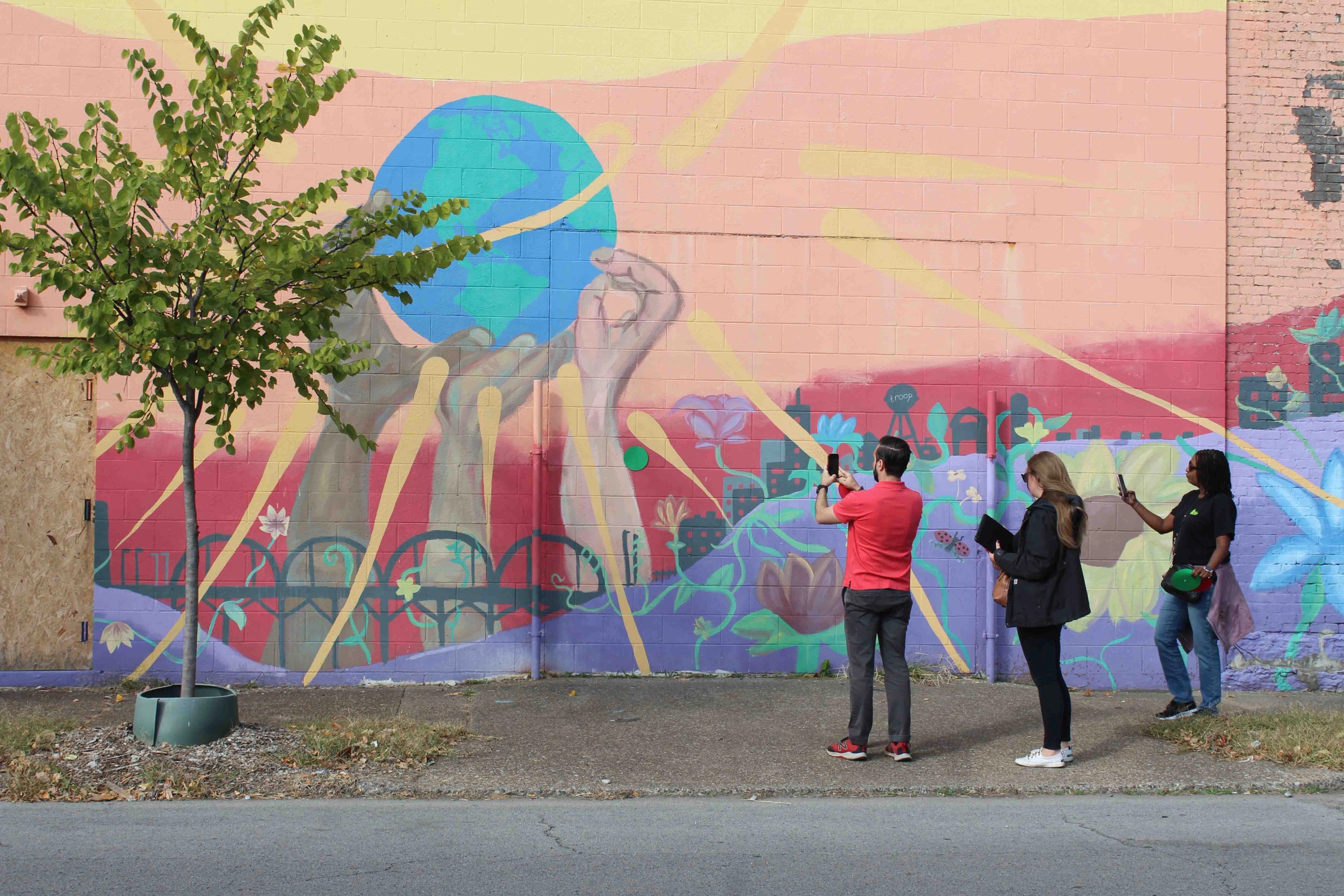
Three people take a photograph of a colourful mural showing three hands holding up the earth.
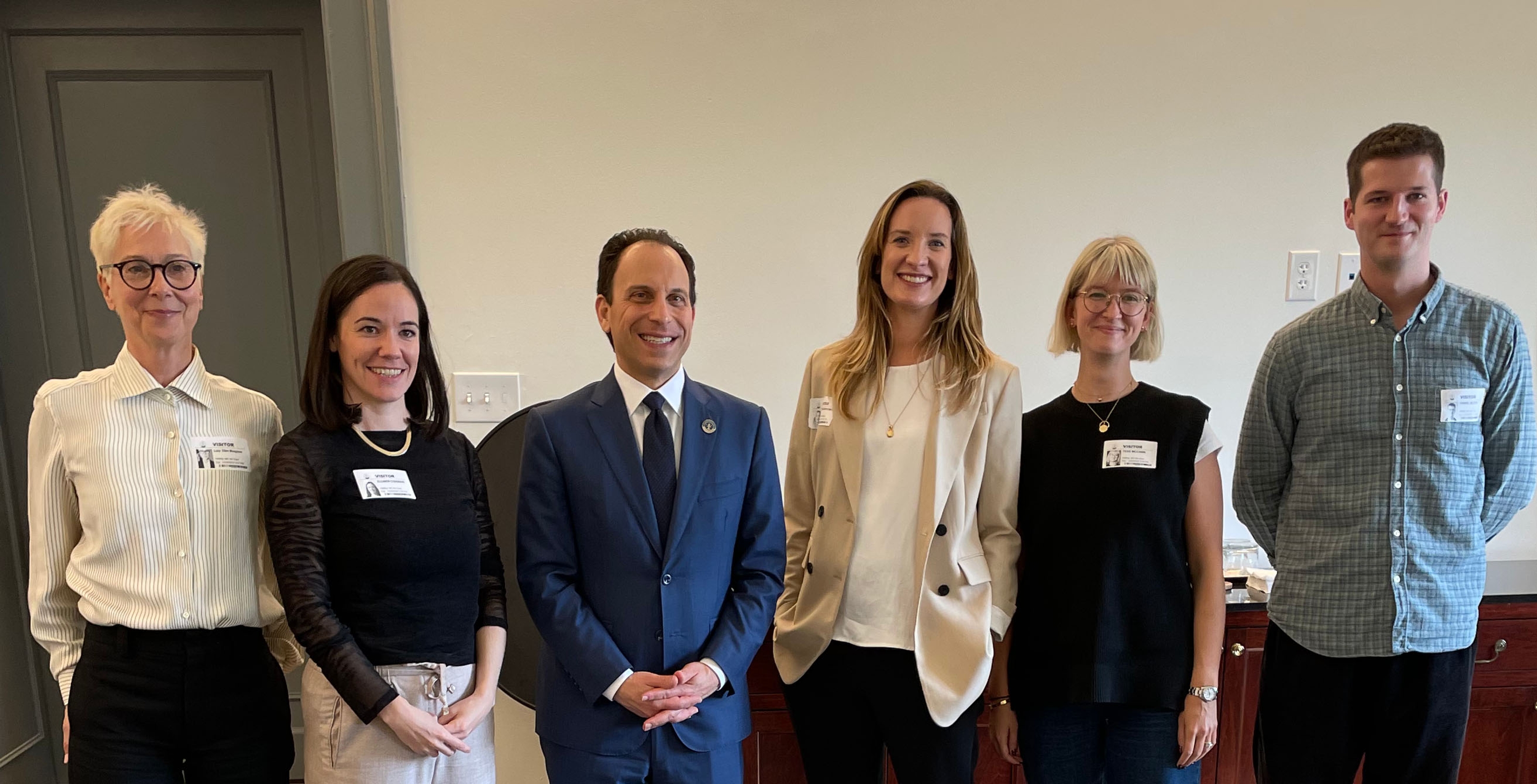
Six people stand in a meeting room.
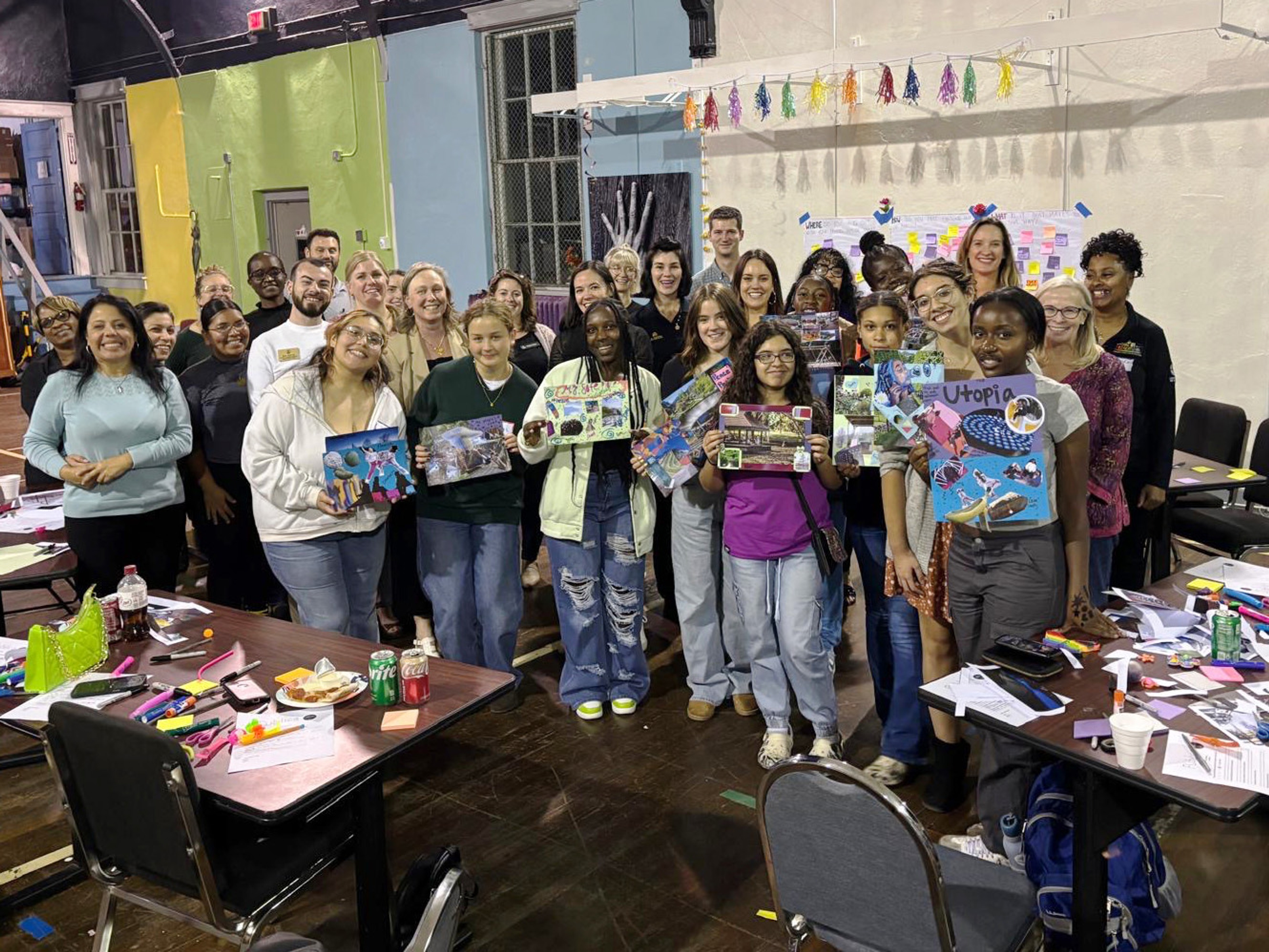
A large group stands together with some people holding up collages in a community space.
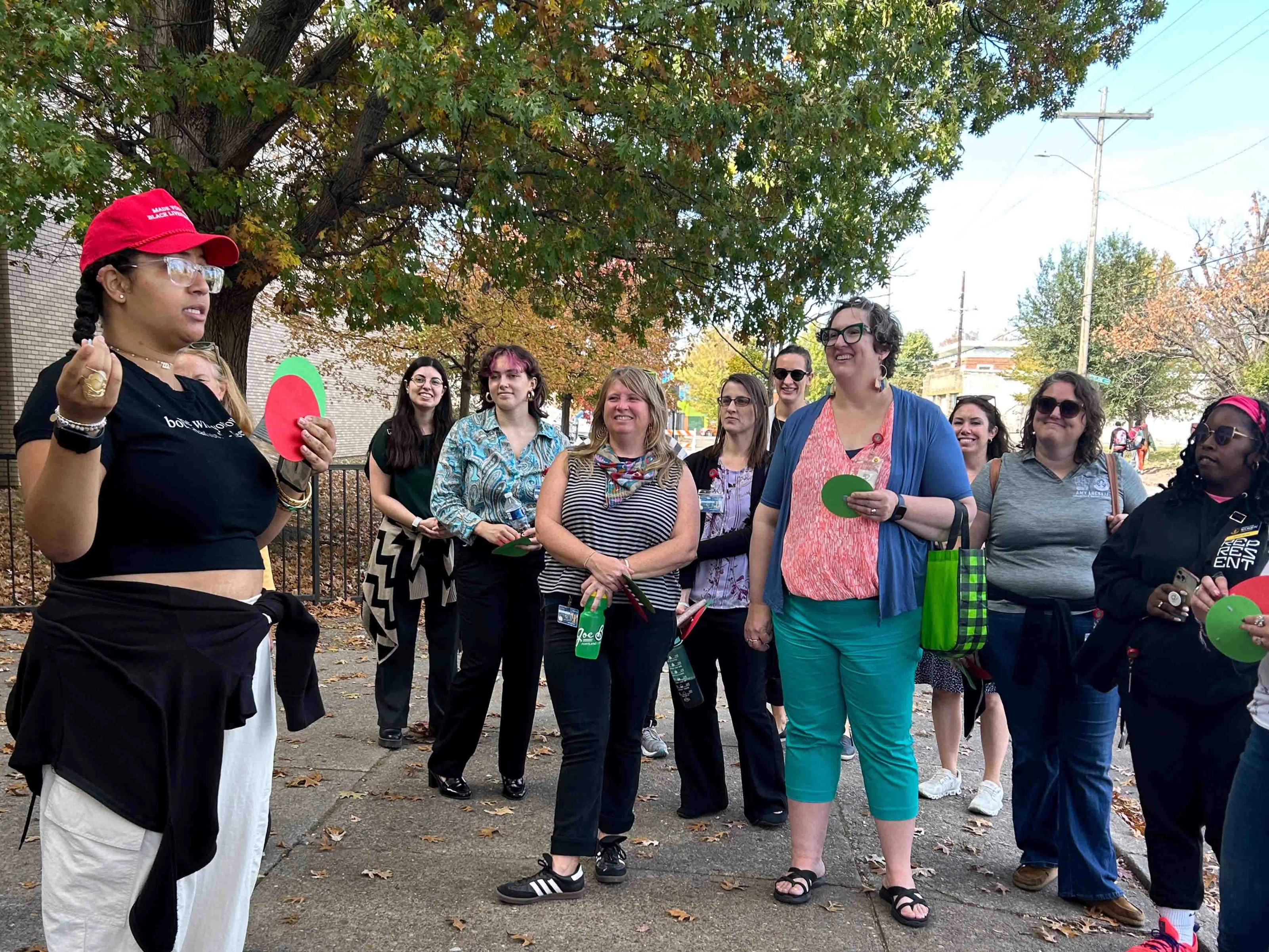
A community activist in a red hat speaks to a group of people on a pavement.
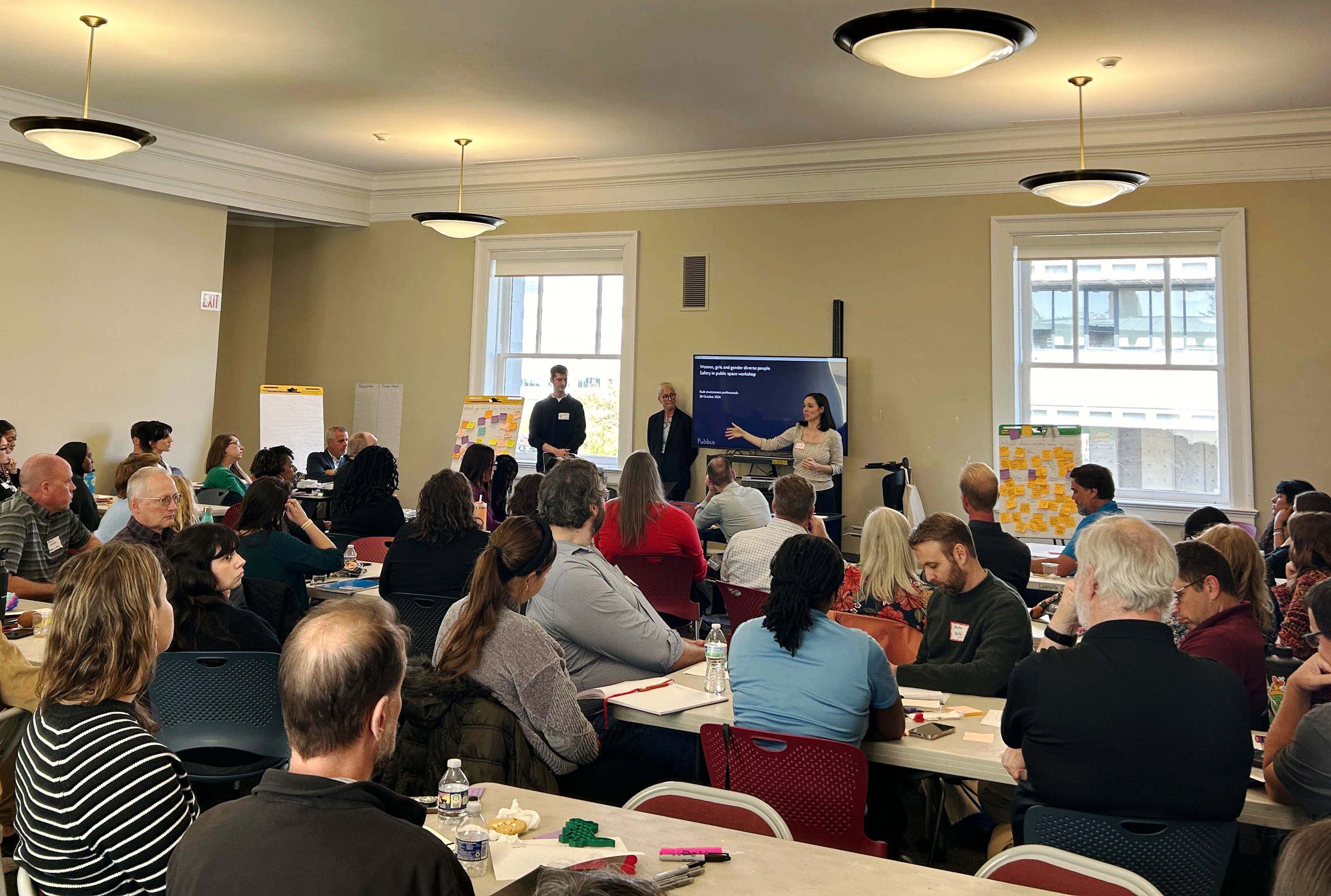
A room full of people sitting at desks facing a group of three people giving a presentation.

Stockholm

The revitalisation of Slussen is one of Stockholm’s most ambitious public realm projects in a generation. Led by Stockholms Stad, the initiative is reclaiming public spaces through major transport upgrades. Once complete, Slussen will feature two new bridges, a lively new public square, modern commercial premises and extensive new walking and cycling infrastructure, all designed to strengthen connections between the city’s southern districts and the historic old town.

In Stockholm and Sweden more broadly, there is a widespread belief that gender equity has already been secured. While Sweden’s public sector has been recognised by the OECD as the most gender equal in the world, evidence suggests a continued disconnect between this perception and the lived safety experiences of women, girls and non-binary people.  

Over three days in Slussen and the outer suburb of Rinkeby, Publica and CHANGE hosted public realm audits, training, roundtable discussions and workshops, engaging more than 120 participants – including students, urban planners, engineers, built environment professionals and acting Mayor Anders Österberg. The programme focused on sharing best practices for integrating gender inclusion into public realm projects and identifying actionable opportunities in live projects across the city.

Our findings identify and celebrate standout examples of gender-inclusive design already shaping Stockholm’s public spaces: from murals designed and painted by young people in underpasses marked as unsafe through community safety walks, to new park pavilions and shelters designed with and for women and girls. There is an ambition to build on the success of these small-scale interventions and replicate these approaches in larger urban projects – such as the Slussenredevelopment – to support the delivery of more equitable and safe urban environments.

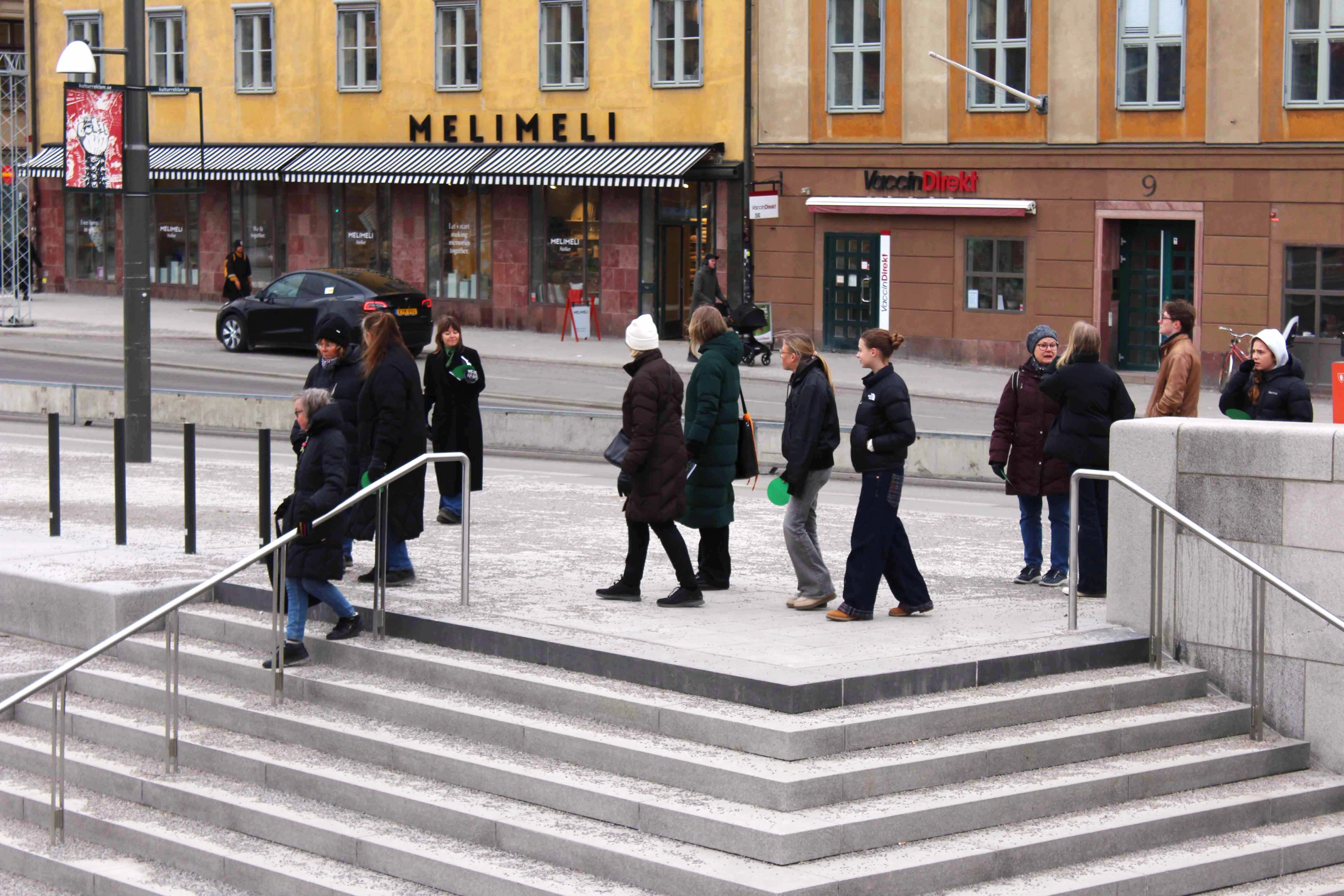
A group of people walking towards an outdoor staircase.
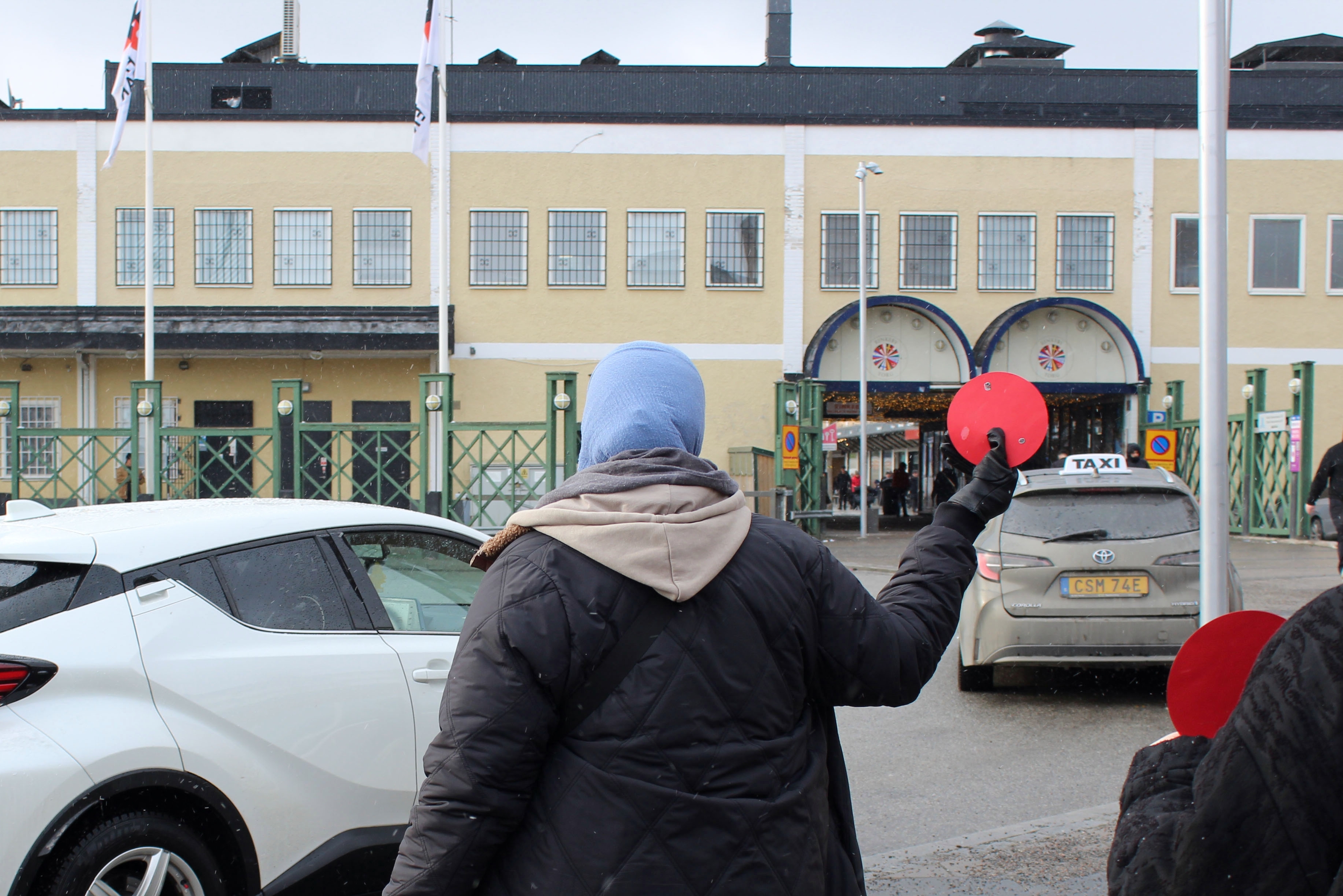
A person holds up a red paper circle in front of a road with cars and a yellow building in the background.
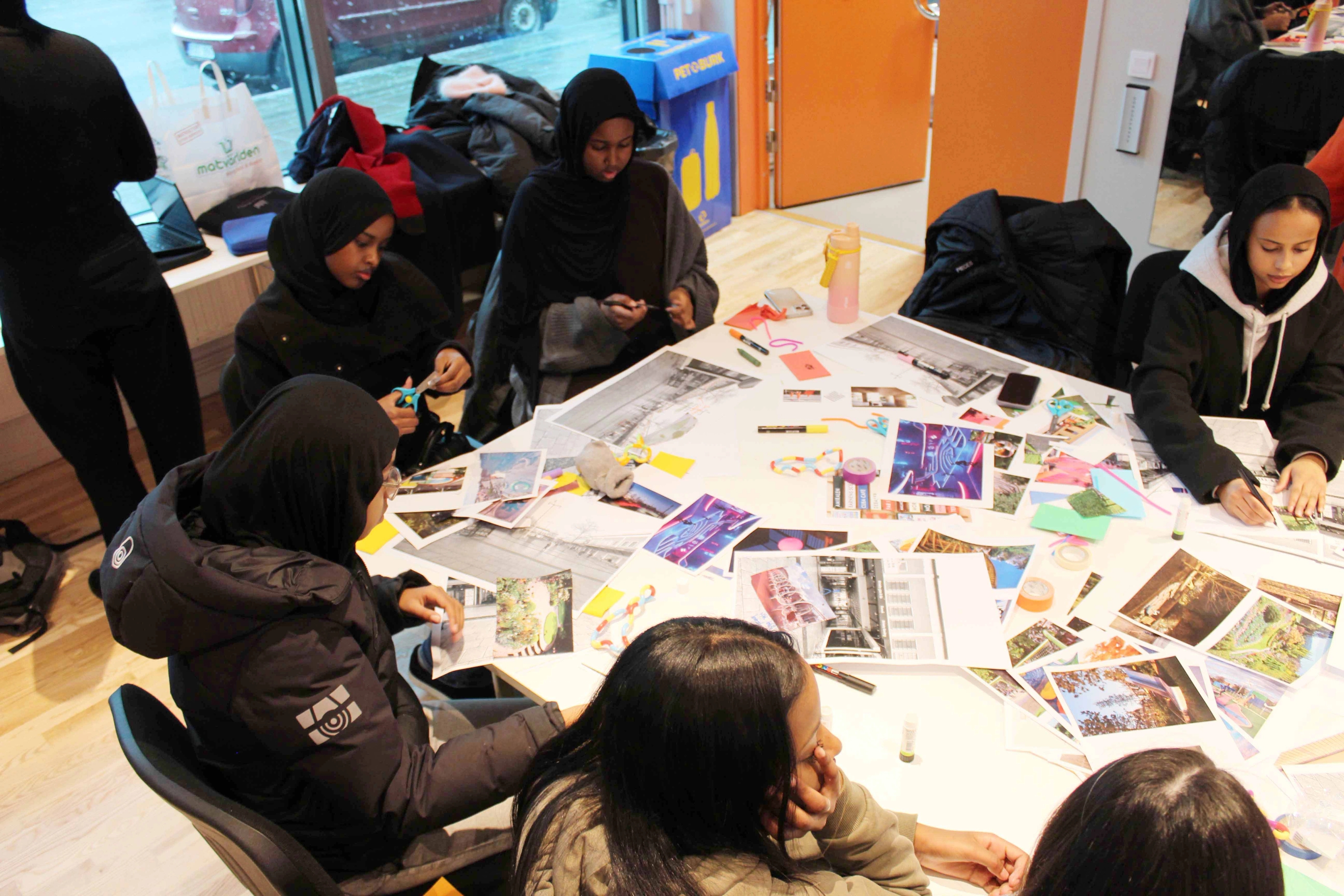
A group of young people sit around a table covered in drawings, images and photographs as they cut these out to create collages.
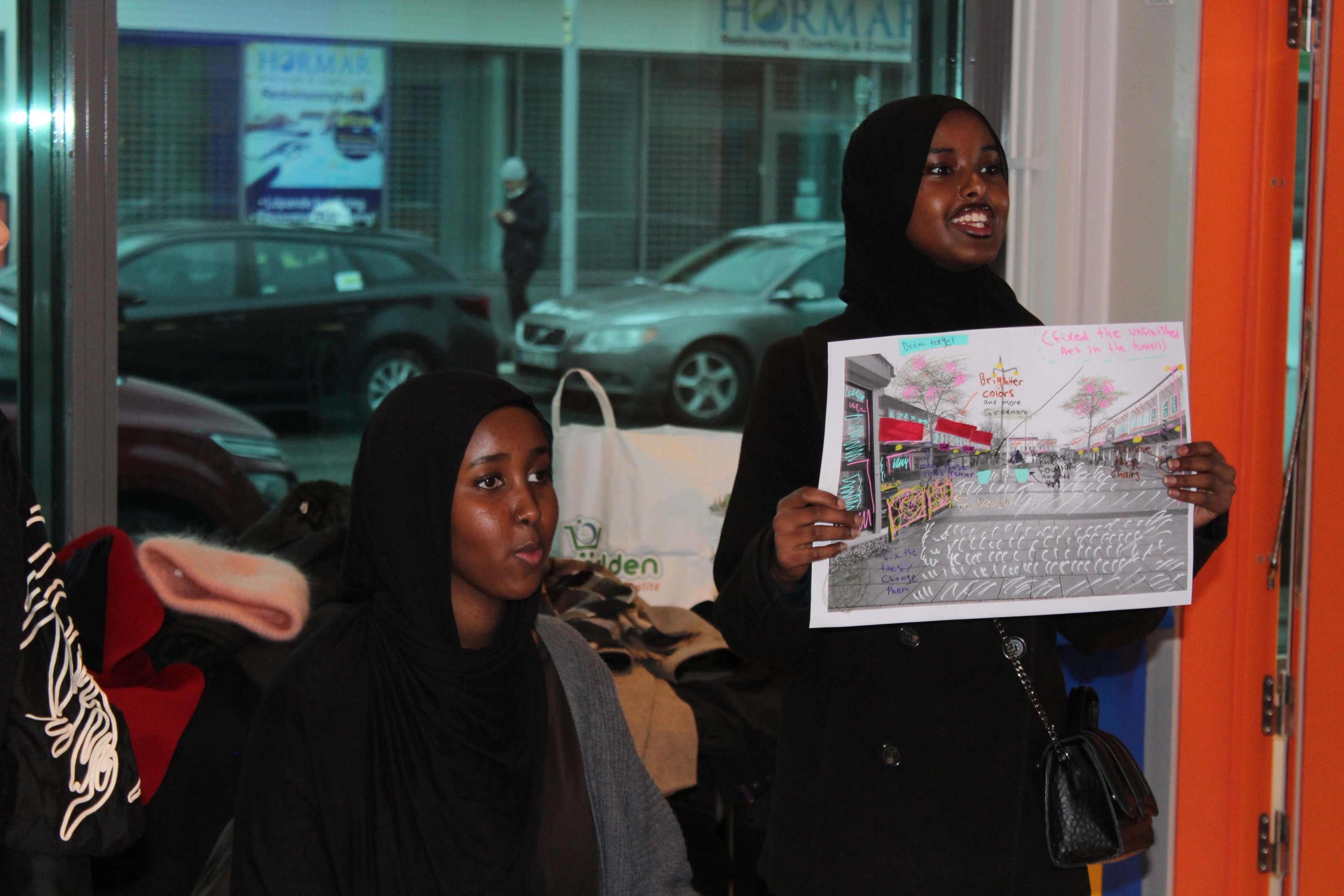
Two young people presenting a collage.
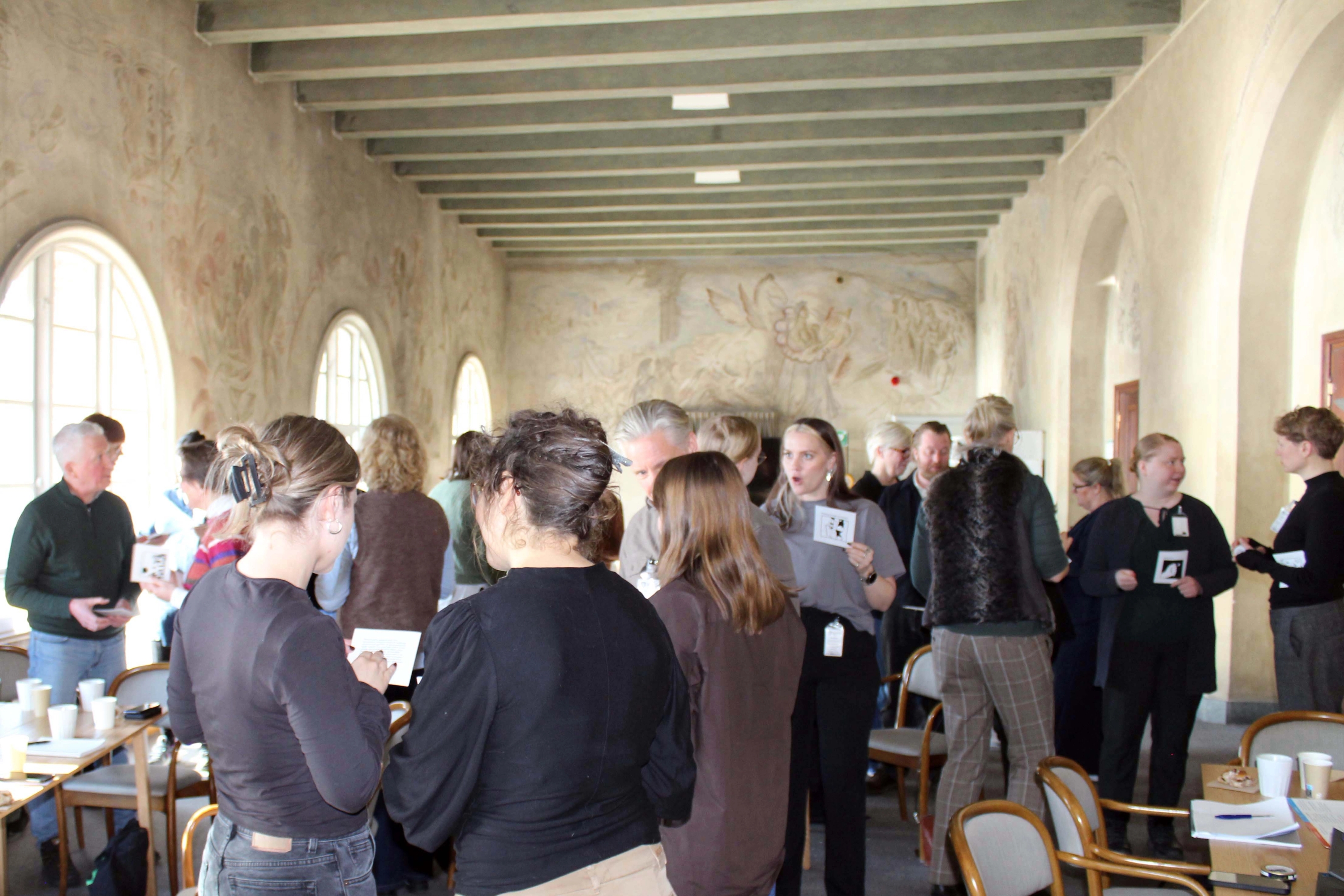
A large group stands in a room talkin gin small groups and holding up small printed cards.
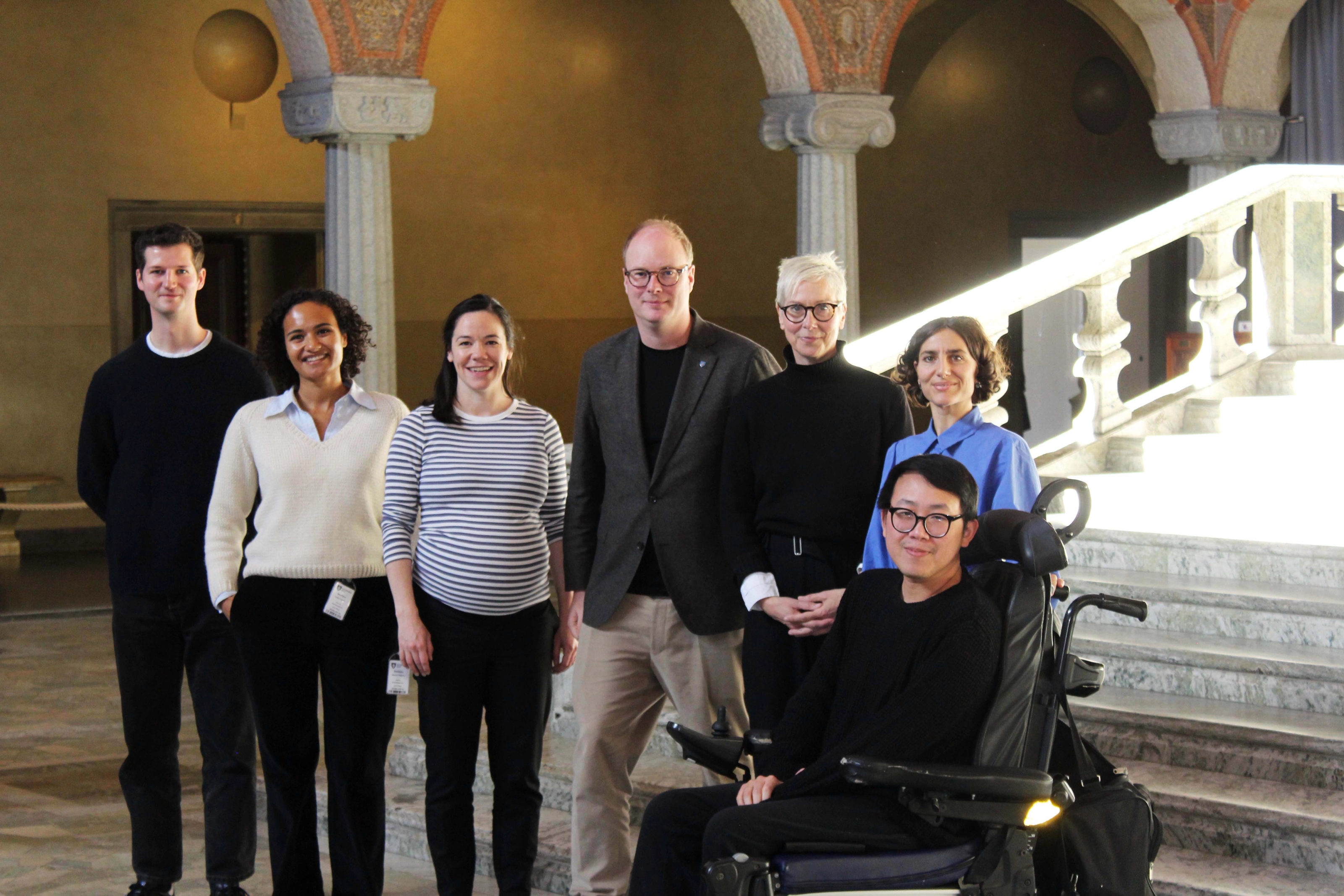
A group of seven people stand in a group facing the same way in a hall in front of a staircase.