Making London Child-Friendly

Designing Places and Streets for Children and Young People

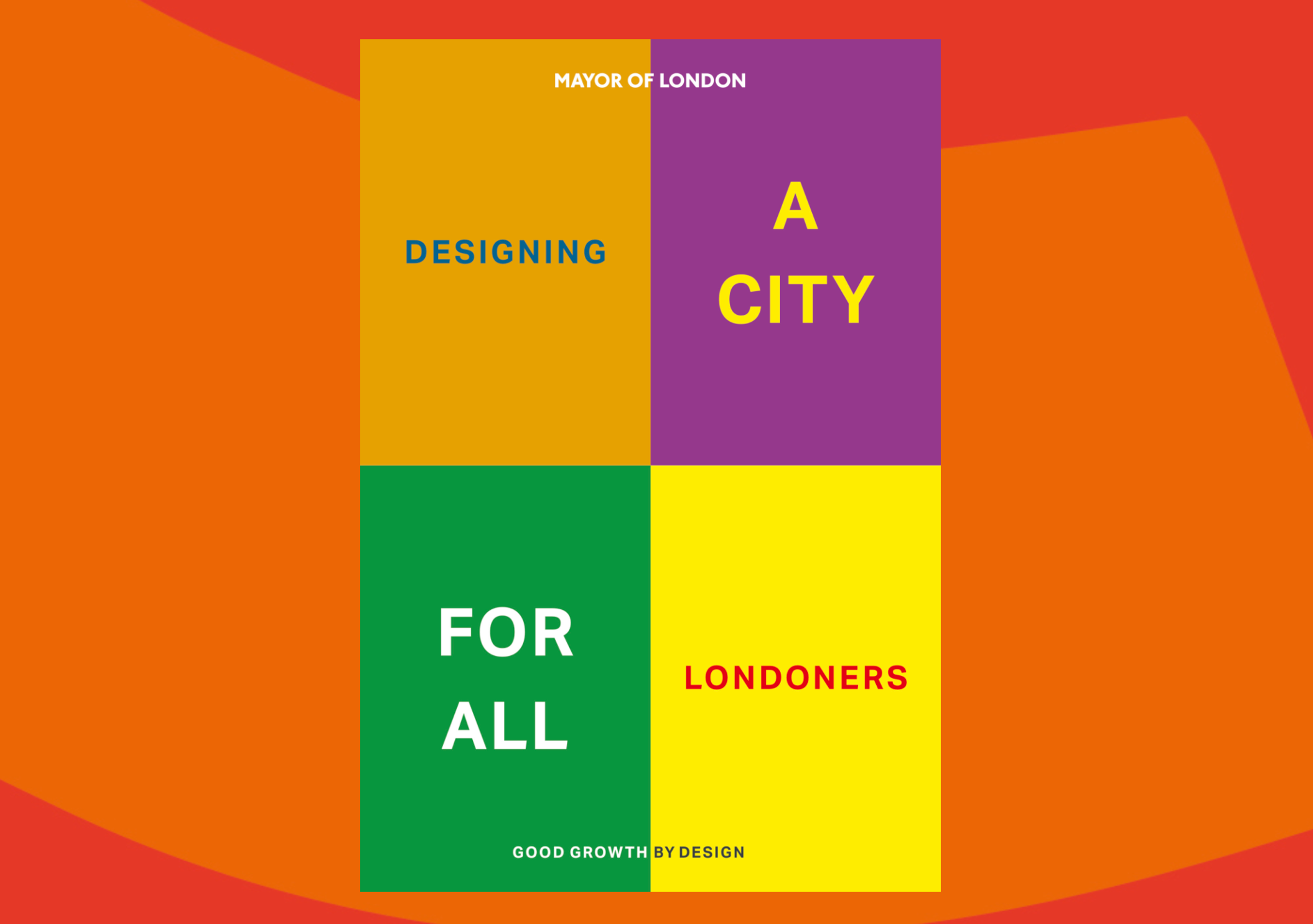
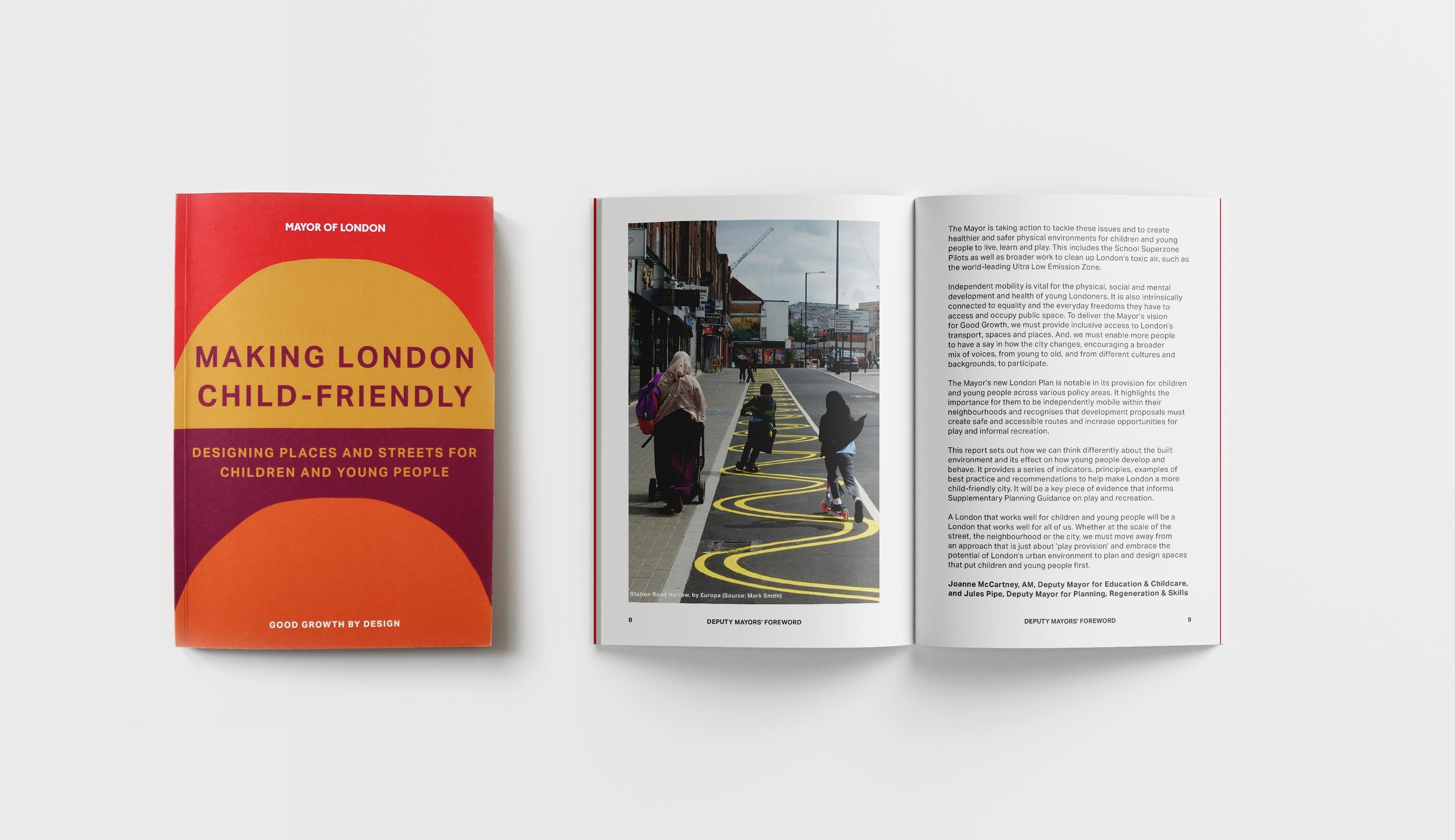
Report cover and double spread page 8 and 9 with photo and writing

London is a youthful city, with more than two million residents under the age of 18. With the city’s population set to top 10.8 million by 2041, this figure will rise further. London’s rapid growth and increasing densification pose big challenges for the city as a whole and for young people in particular.

Publica, working closely with the Greater London Authority, and in collaboration with Root and Erect, brought together research, principles and examples of best practice from around the world into the Making London Child-Friendly guidance for The Mayor’s Good Growth by Design programme. It highlights how the design of the built environment can increase opportunities for young Londoners to become happier and healthier, by becoming independently mobile within their neighbourhoods and the city.

The guidance acts a catalyst to make London’s built environment more child-friendly and accessible for young people. The four lenses of the inquiry – policy, participation, management and design – promote an integrated and holistic approach to independent mobility: the freedom to occupy and move around the public realm without adult supervision.
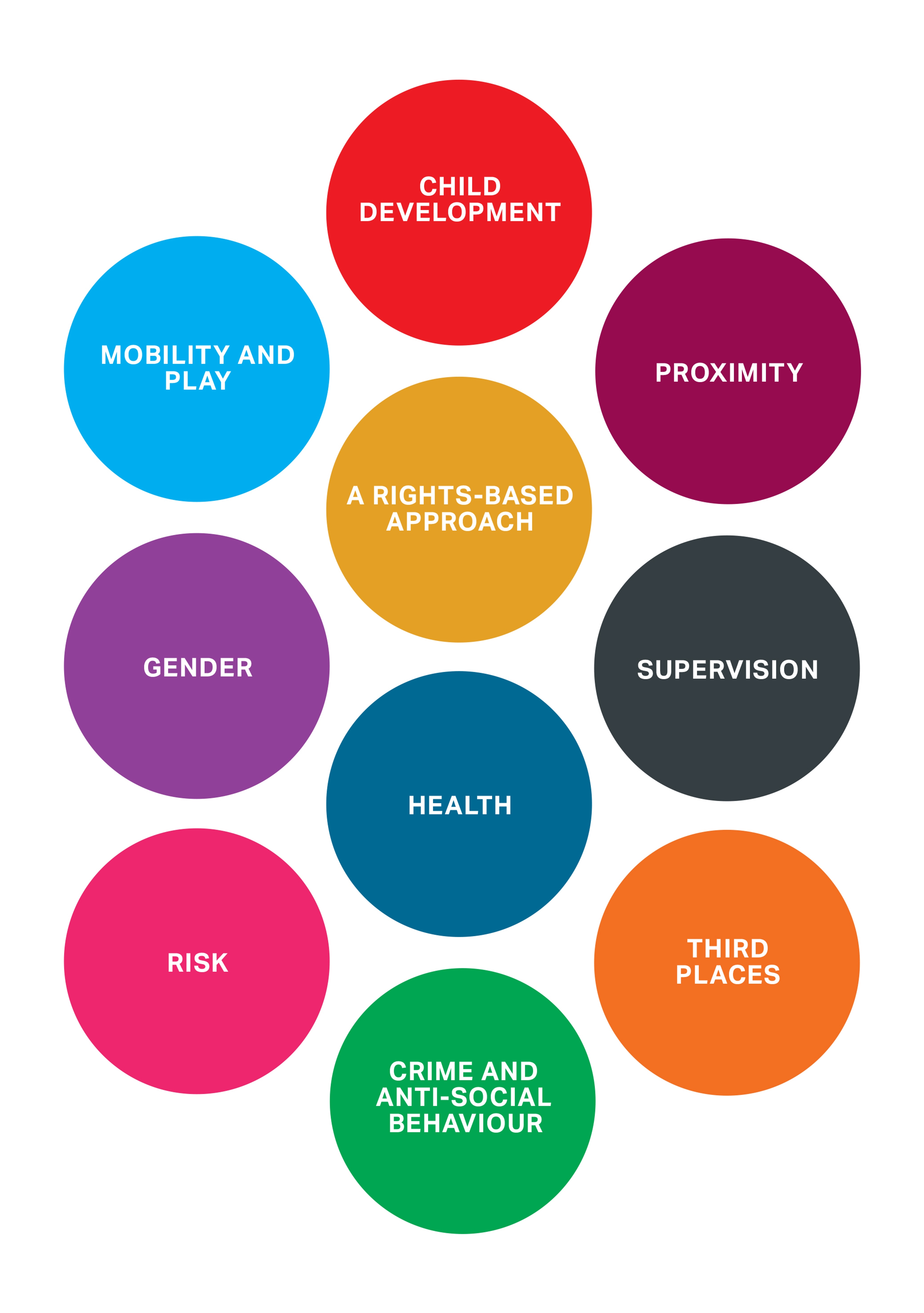
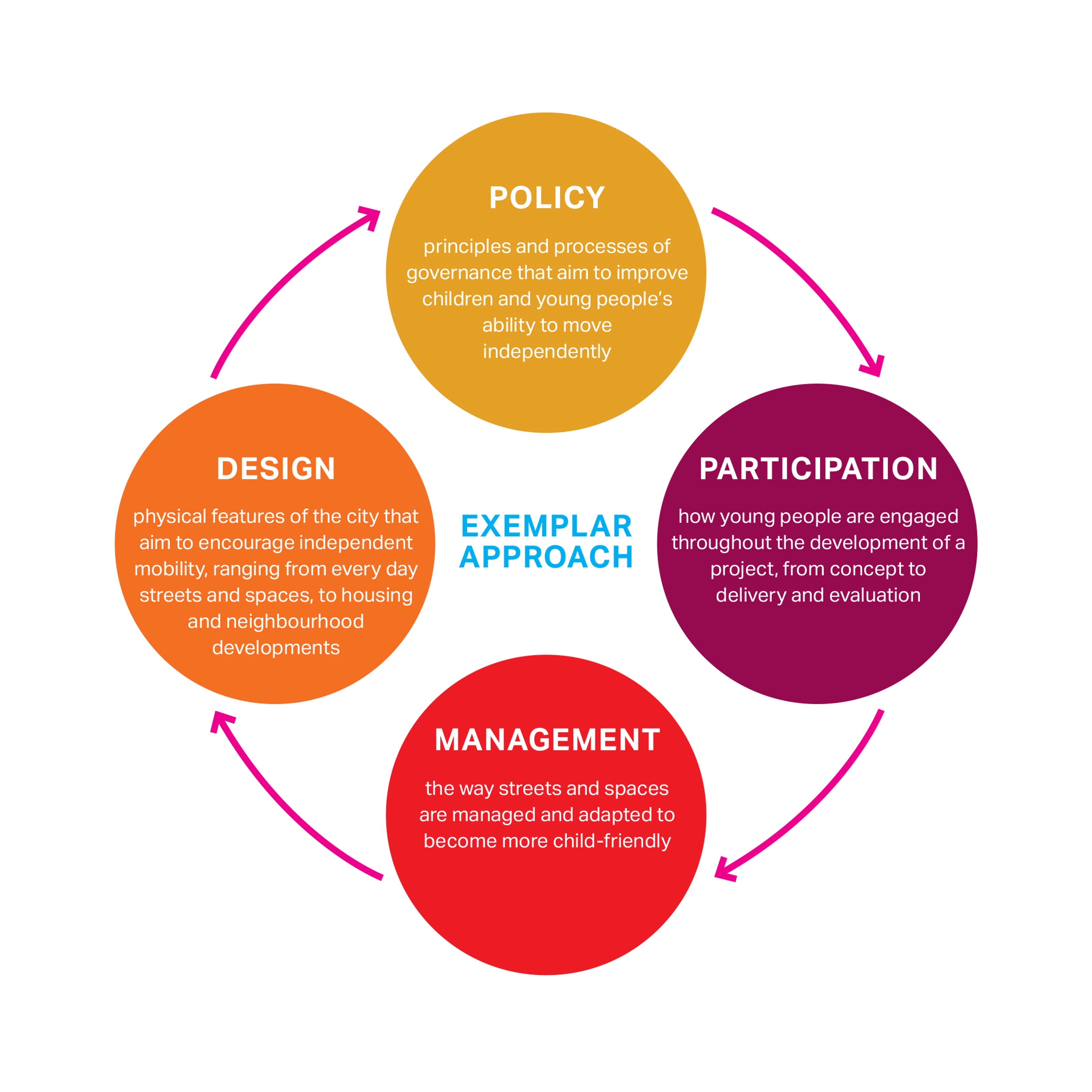
Diagram of different concepts written in coloured circles.
Diagram showing exemplar approach with four different concepts written in coloured circles with arrows connecting them.
 

Independent mobility is in decline, with significant consequences for the physical, social and mental development and health of people under the age of 18. Between 1971 and 2010, the number of children in the UK of primary school age allowed to walk to school by themselves fell from 86 percent to 25 percent.

Independent mobility is a right in itself and children in London should have the freedom to safely and happily move around our city. A child-friendly city should contain a good combination of things to do, places to go, and the ability to easily move between them.

Anna Mansfield, Director, Publica

Moving towards a more child-friendly city

Making London Child-Friendly examines best practice examples from around the world and identifies a range of recommendations for built environment practitioners to consider, in order to facilitate the independent movement of children and young people.

This report is a step change in how we might think about designing our cities for children; giving them a more prominent position and shifting from thinking about play ‘spaces’ towards a more holistic and strategic approach. If we cherish the fun and freedom that comes from playing out, we will be rewarded with health and wellbeing outcomes in abundance.

Dinah Bornat, Director, ZCD Architects

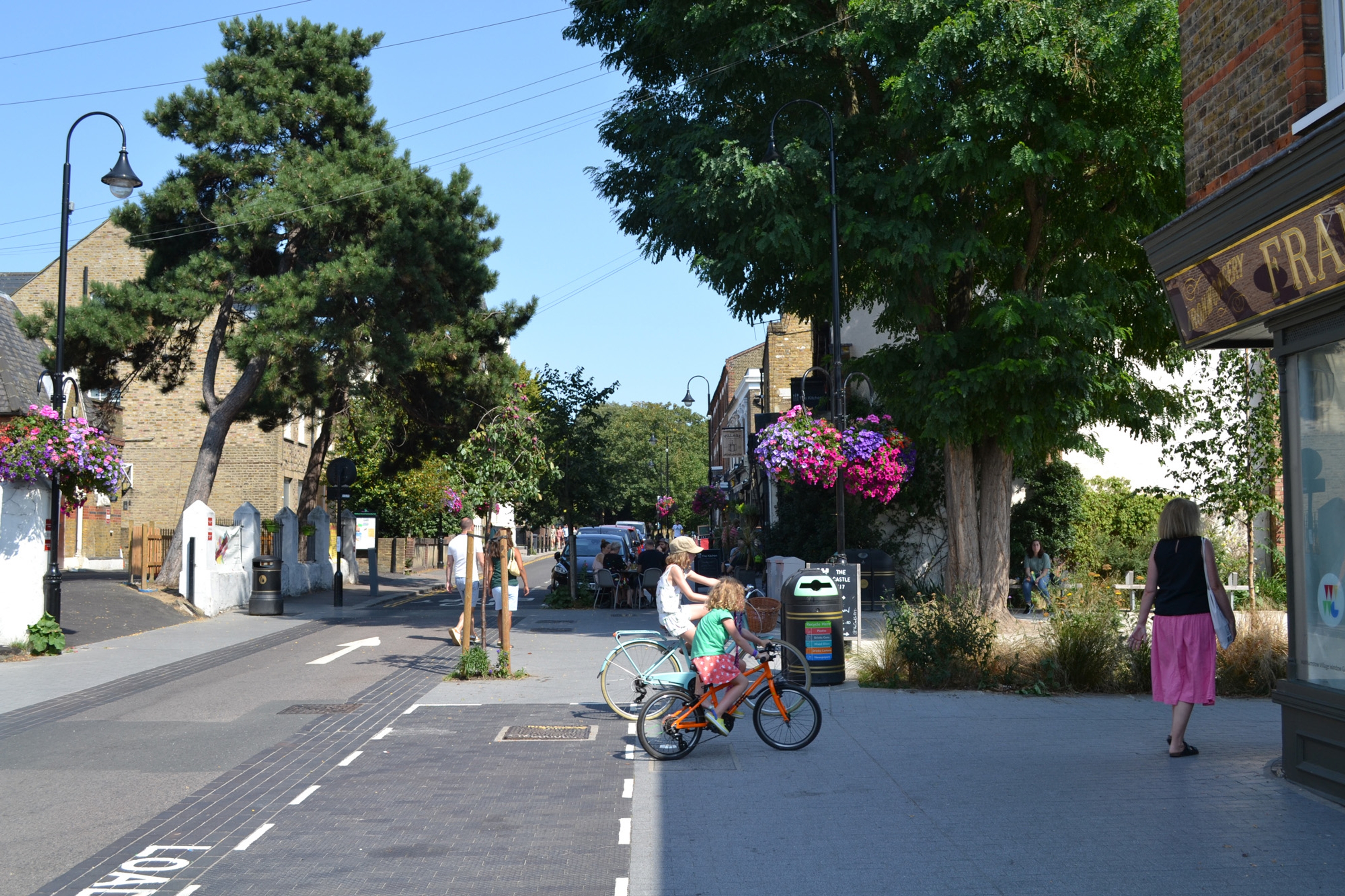
A street with a flush carriageway and children cycling.
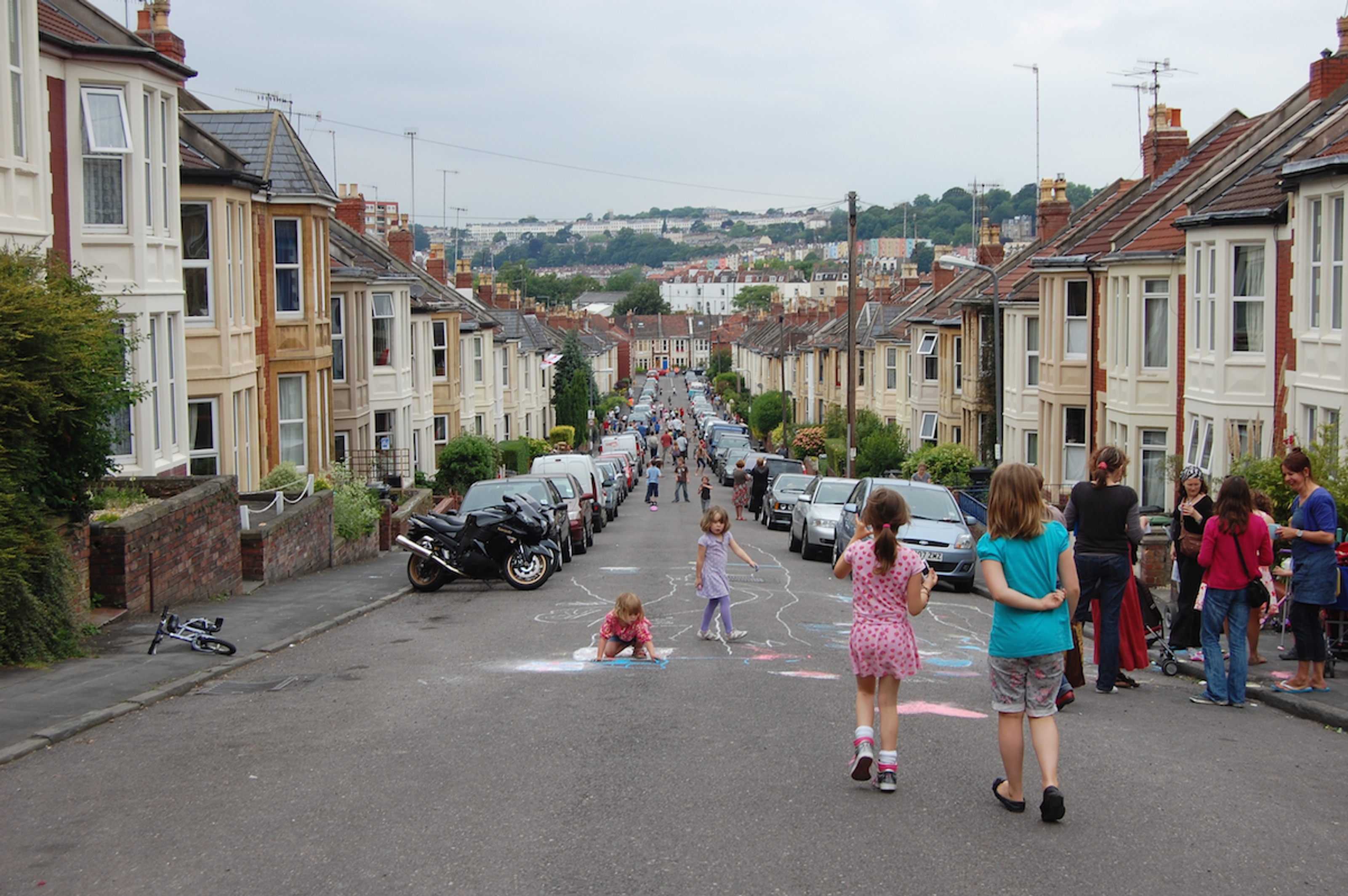
A long street closed to traffic with children playing and drawing on the carriageway.
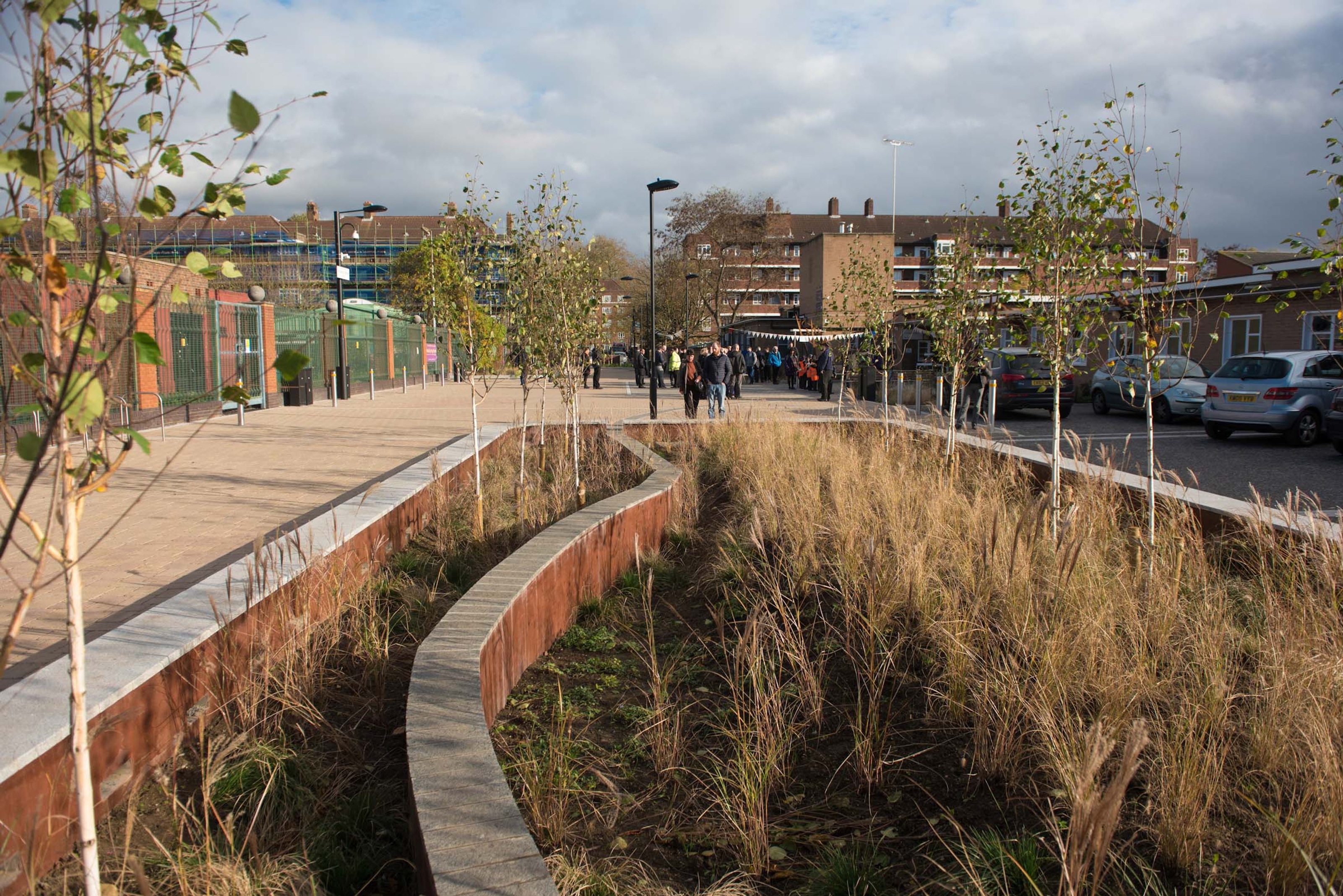
A raised path through a area of planting connecting to a public space.
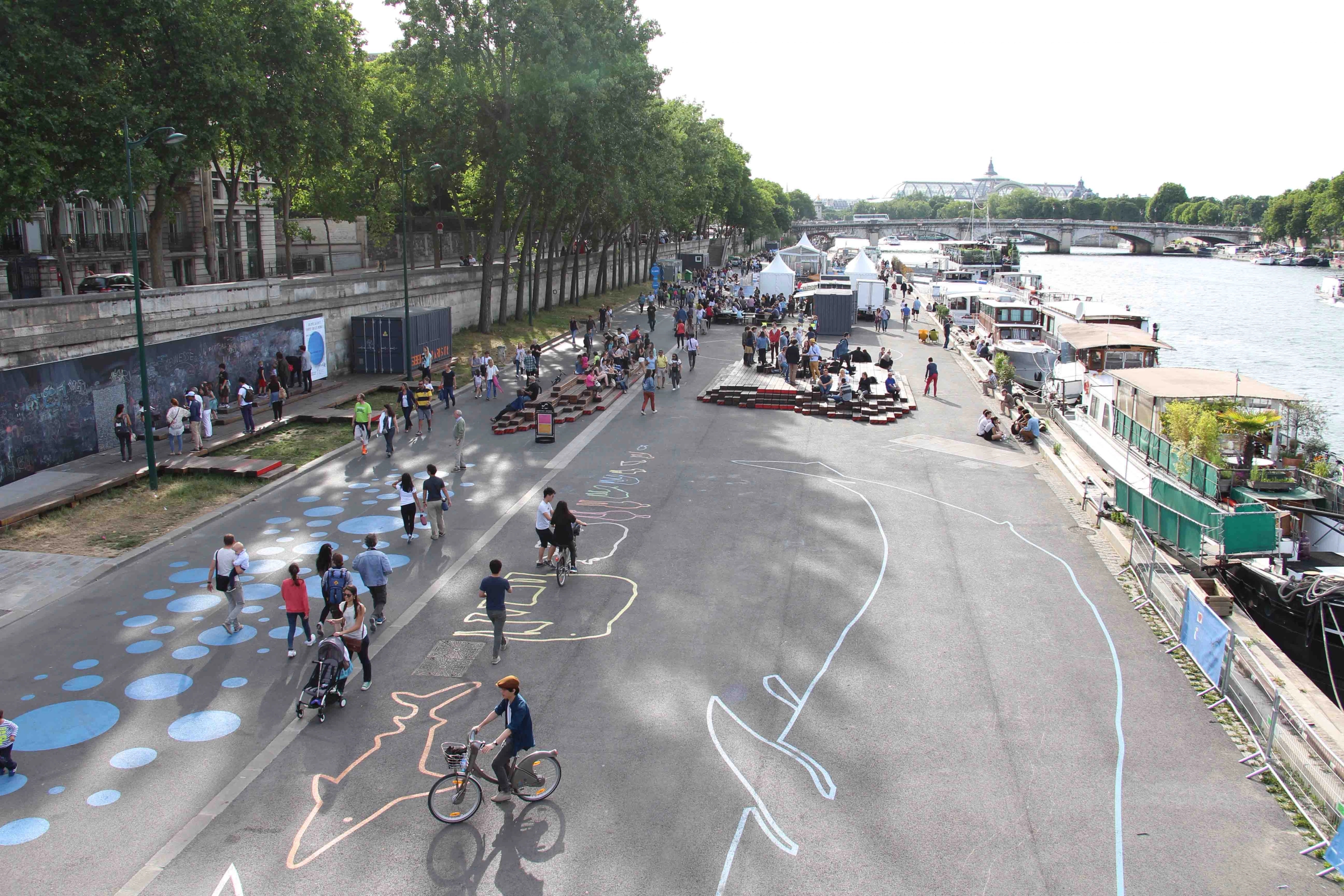
The car-free left bank of the Seine River in Paris with children playing and riding bicycles on the street with play installations and painted patterns and shapes on the carriageway.
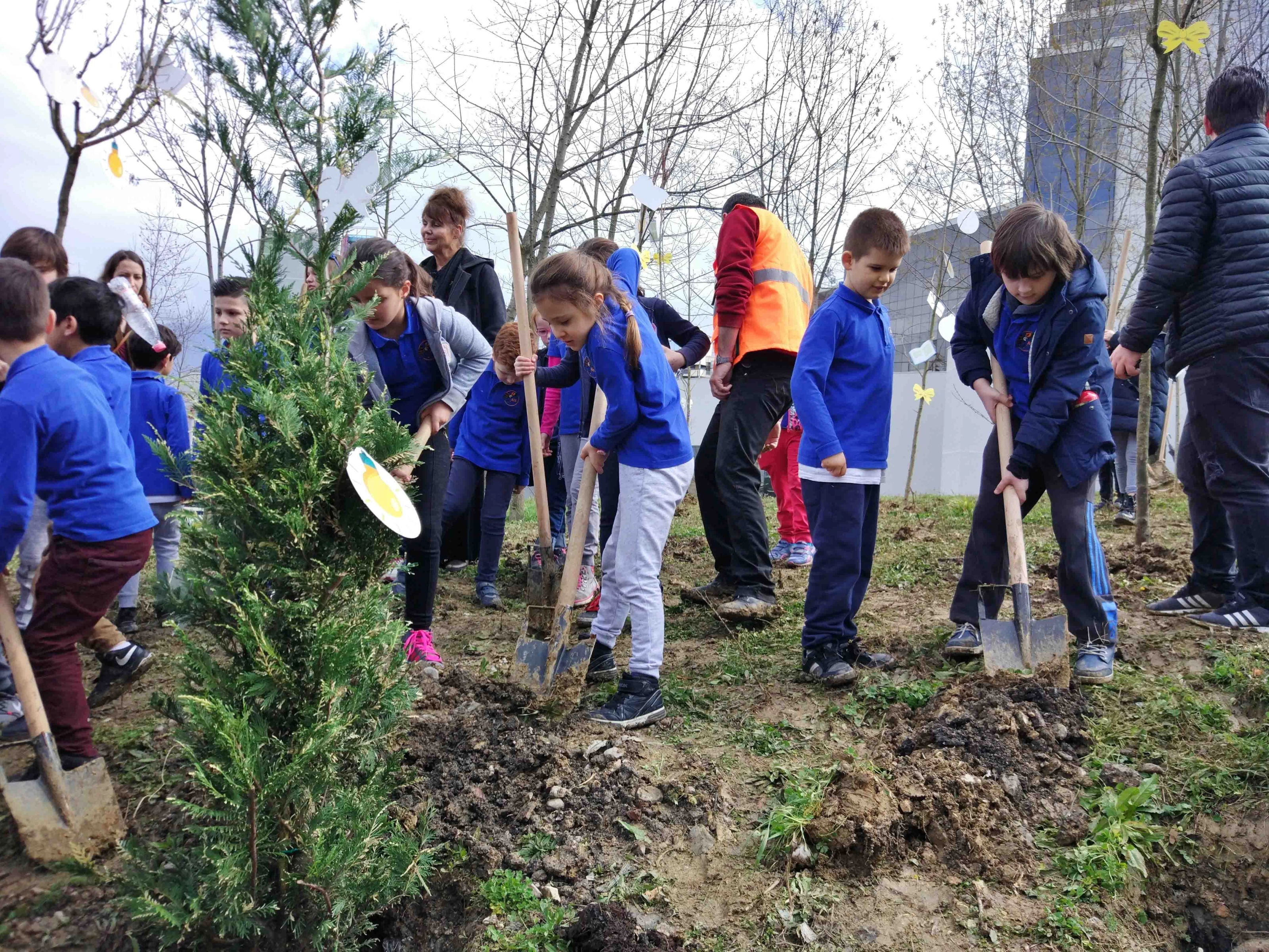
Children in blue school uniforms digging and gardening.
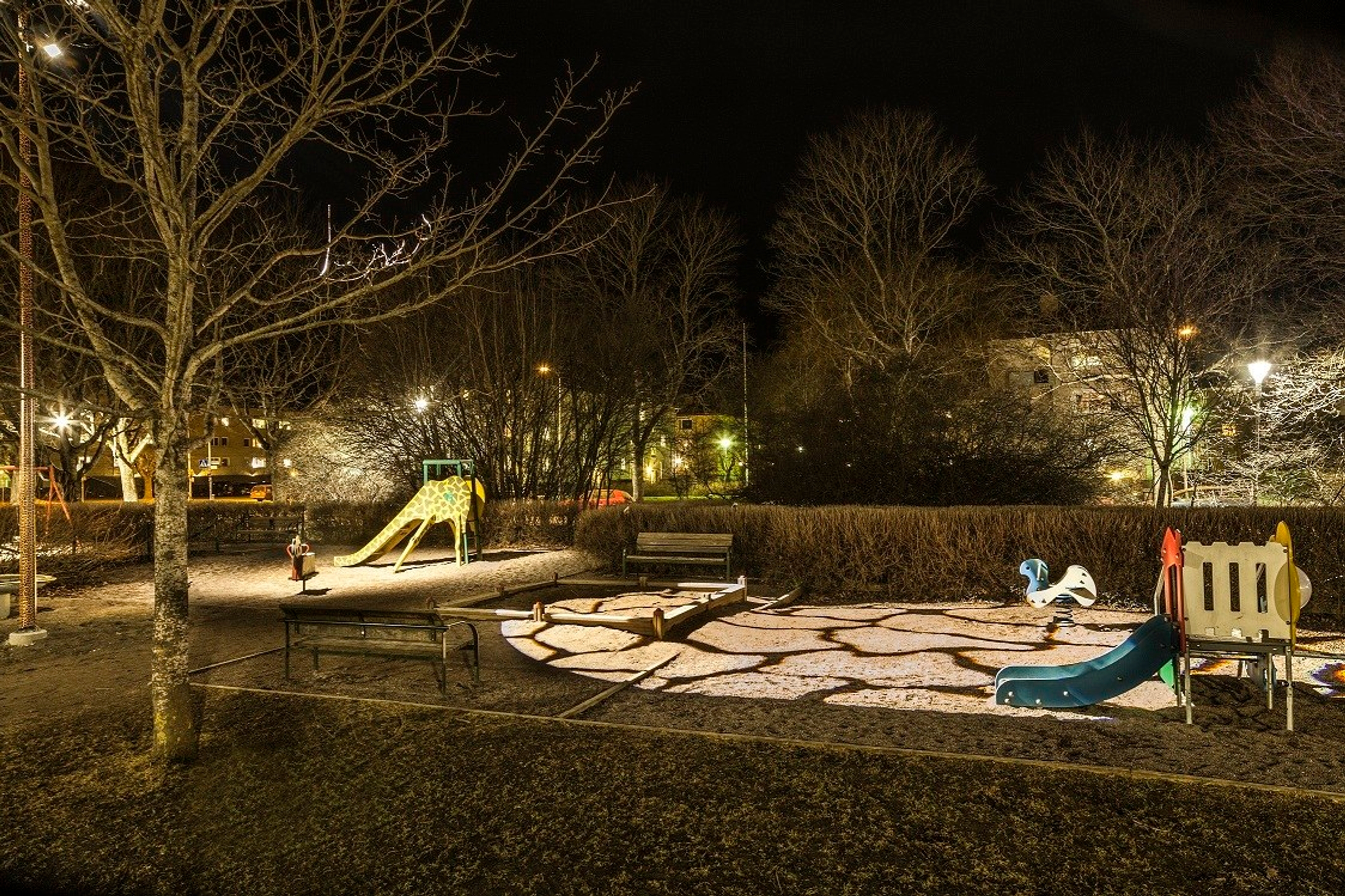
A playgound illuminated at night with light projected onto a slide.
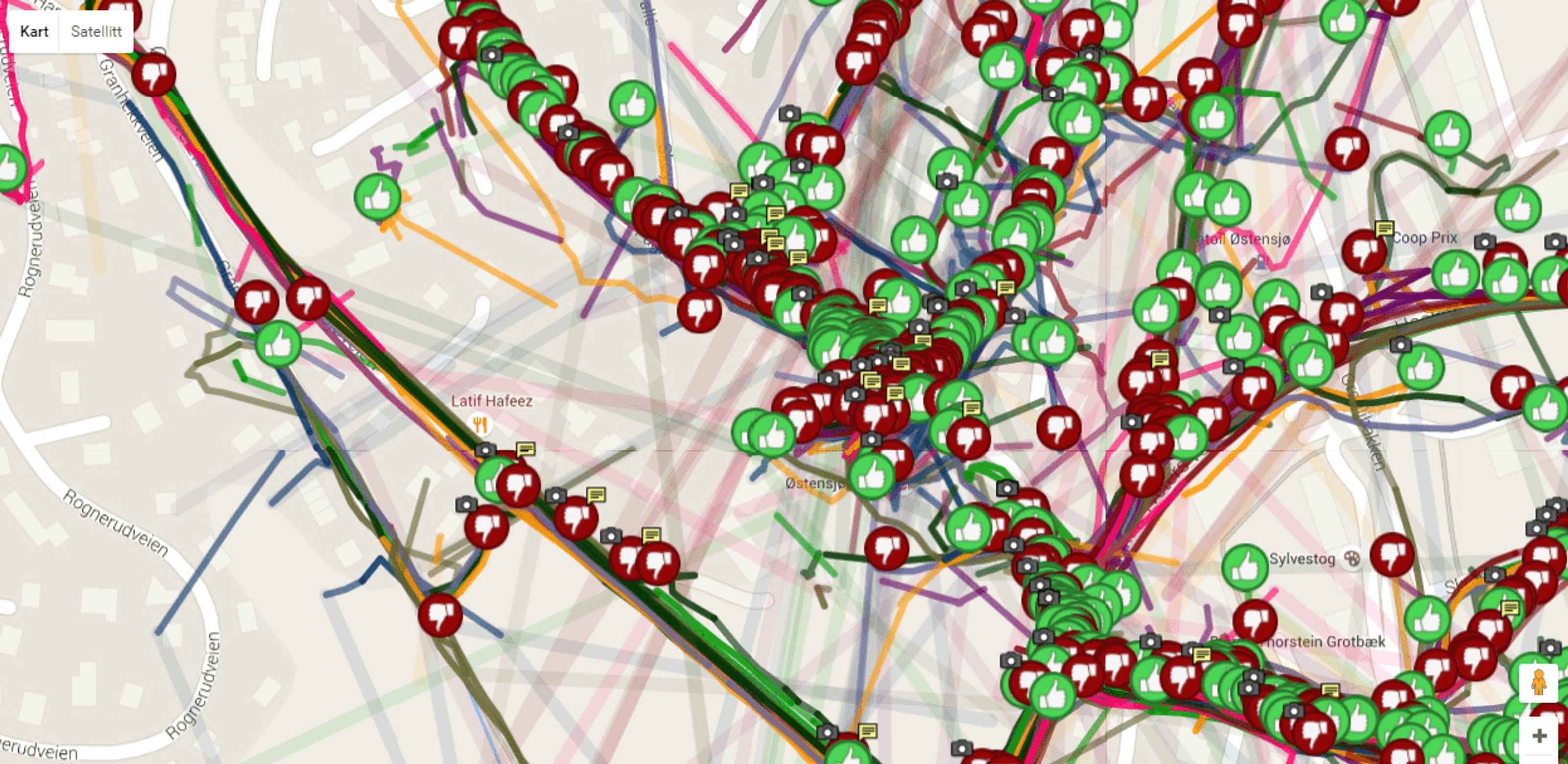
A digital map with colour-coded streets highlighted and green or red thumbs up or thumbs down symbols.

Photo credits (left to right): Publica , Playing Out, Hammersmith and Fulham Council, Fred Romero, Albanian International School, Philips, Mister Trafikkagenten

Next steps for London

This report is intended as a facilitator for a continued process of making London’s built environment more child-friendly and accessible for young people through the development of dedicated design implementation. It launched at City Hall in January 2020, with presentations from Jules Pipe CBE, the Deputy Mayor of Planning, Regeneration and the Fire Service and Publica Director Anna Mansfield.