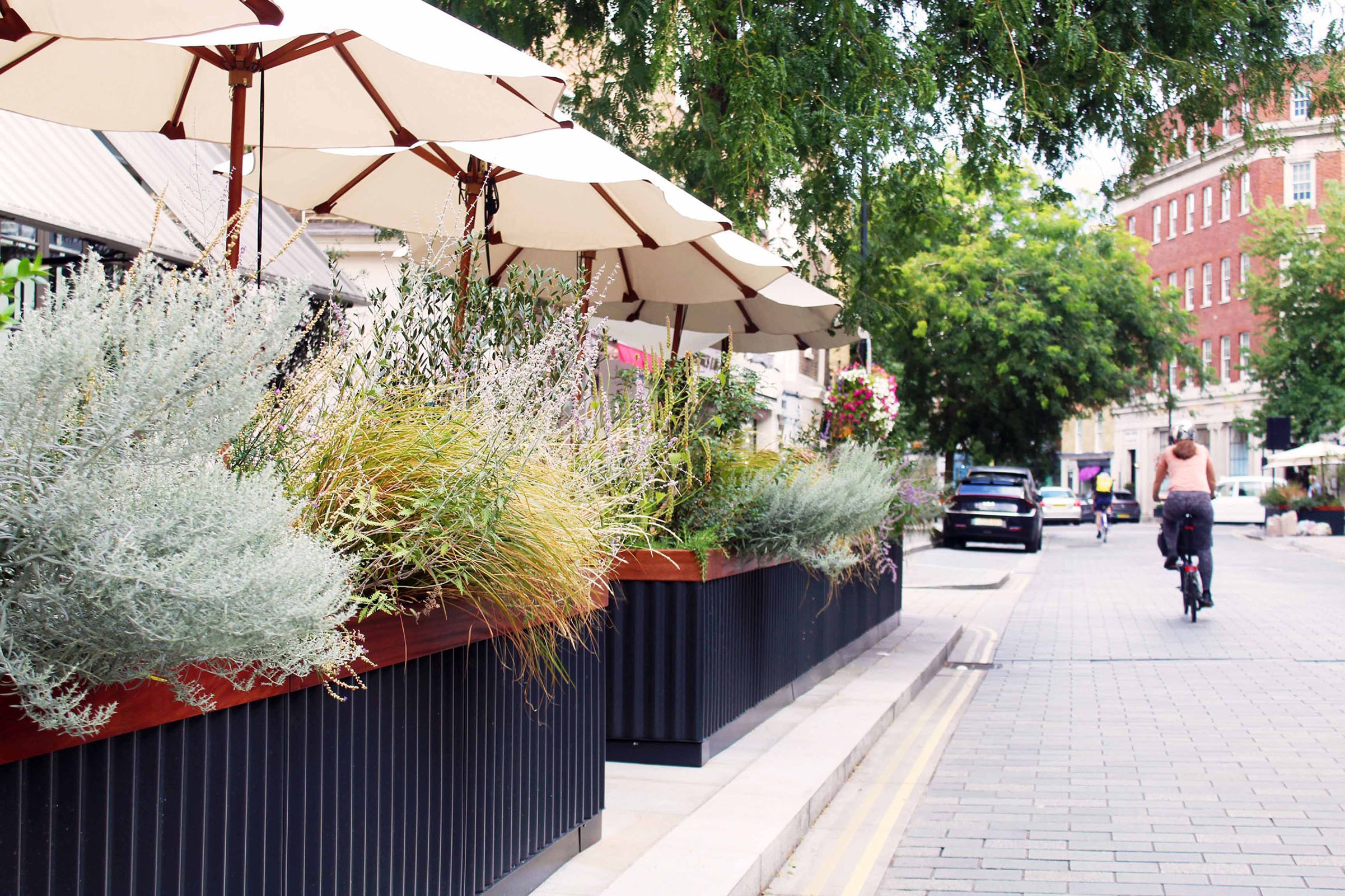
Photography by Edward Bishop
Draycott Avenue
Delivering pedestrianisation and public realm improvements to a versatile street
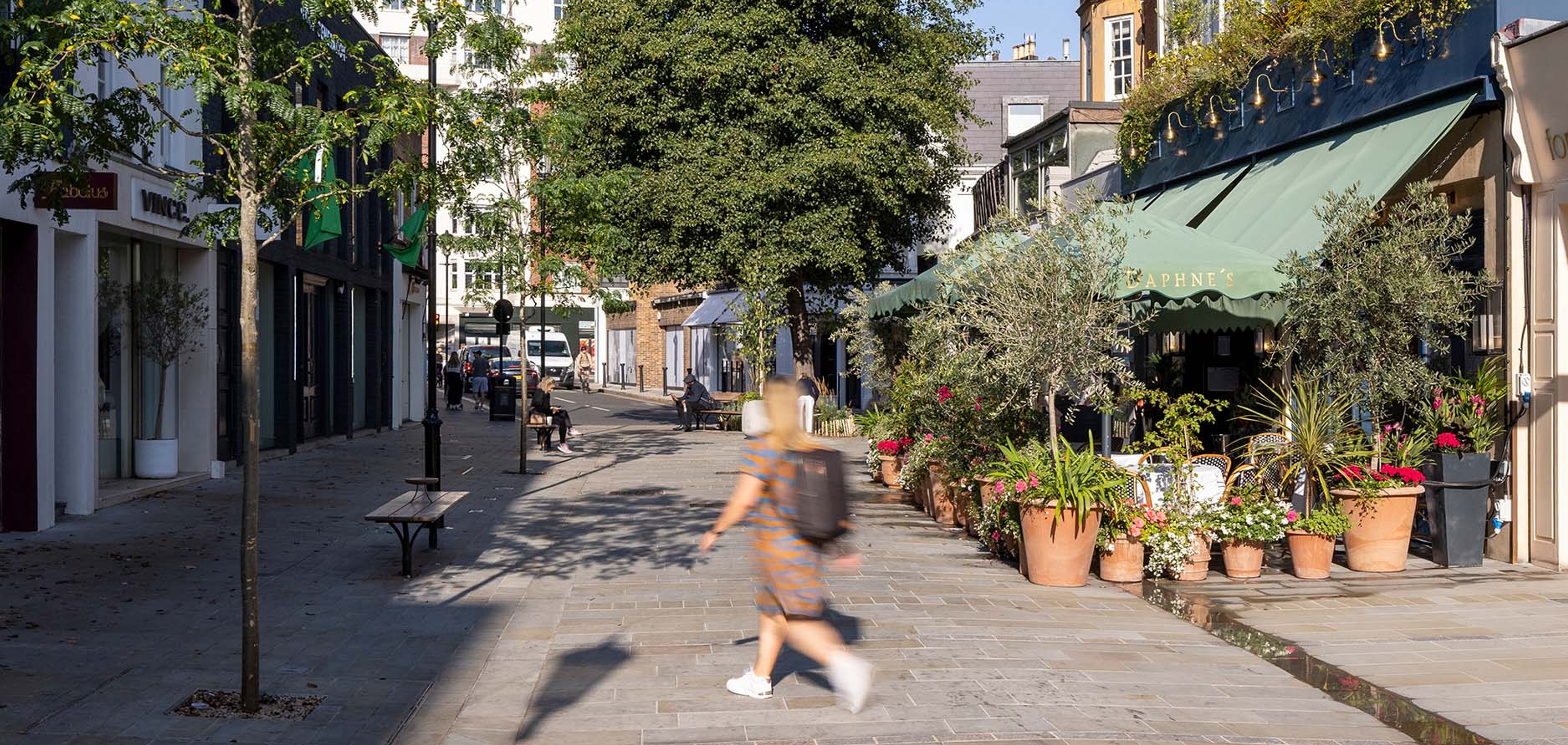
The redesign of Draycott Avenue began with a public realm strategy for the Brompton Cross Area, which sought to prioritise pedestrian activity and celebrate its independent businesses and creativity. At the centre of the vision was the transformation of Draycott Avenue.
Publica has worked in partnership with the Royal Borough of Kensington and Chelsea to deliver pedestrianisation and public realm improvements to the northern section of the street. Engagement with residents and the area’s independent businesses was central to the design process, resulting in a scheme that supports local community activity.
Draycott Avenue has been reimagined as a safer, more elegant and inviting destination that thrives as a versatile, pedestrian thoroughfare, a welcoming place to spend time and a lively hub of commercial and social activity.
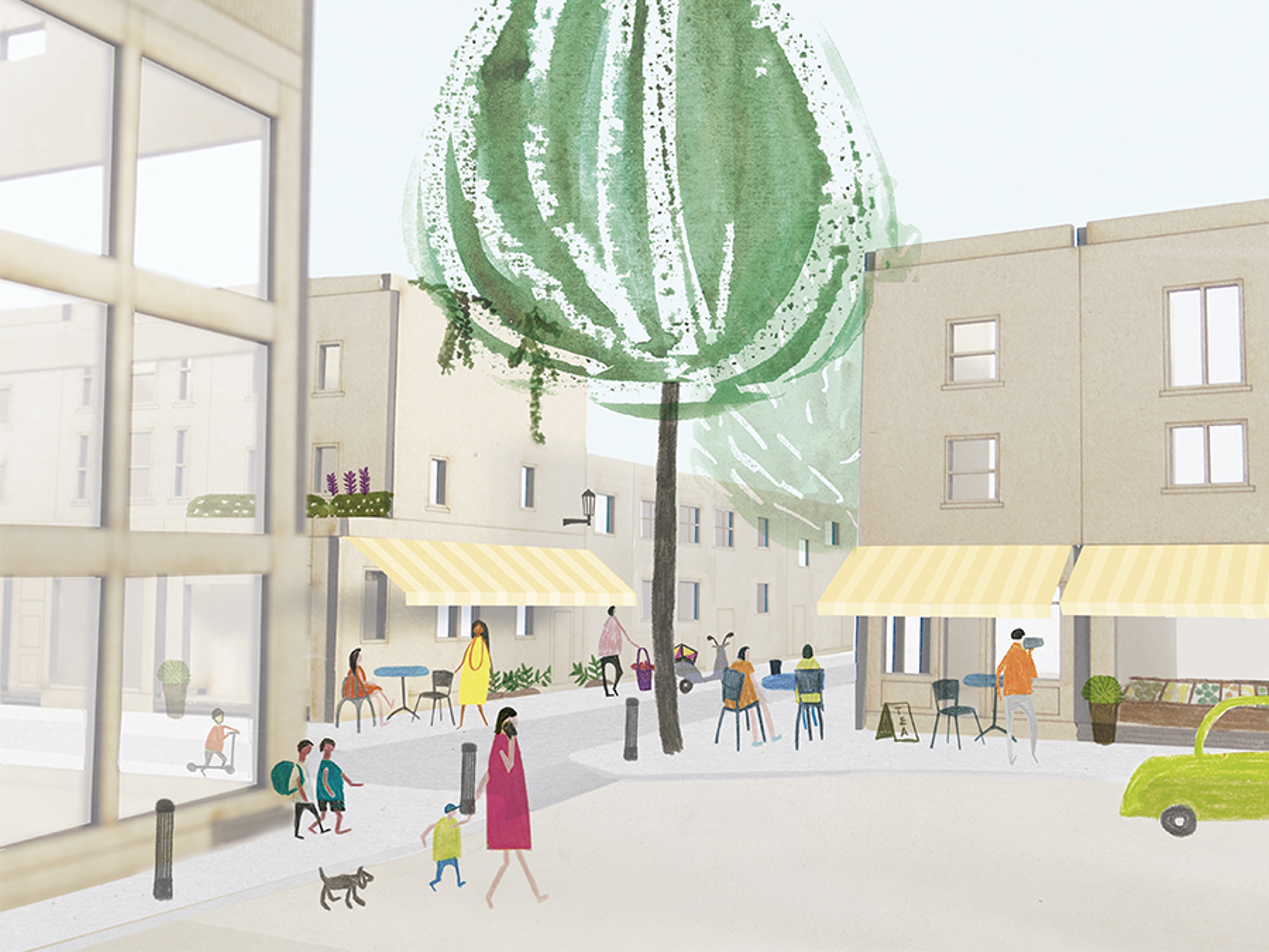
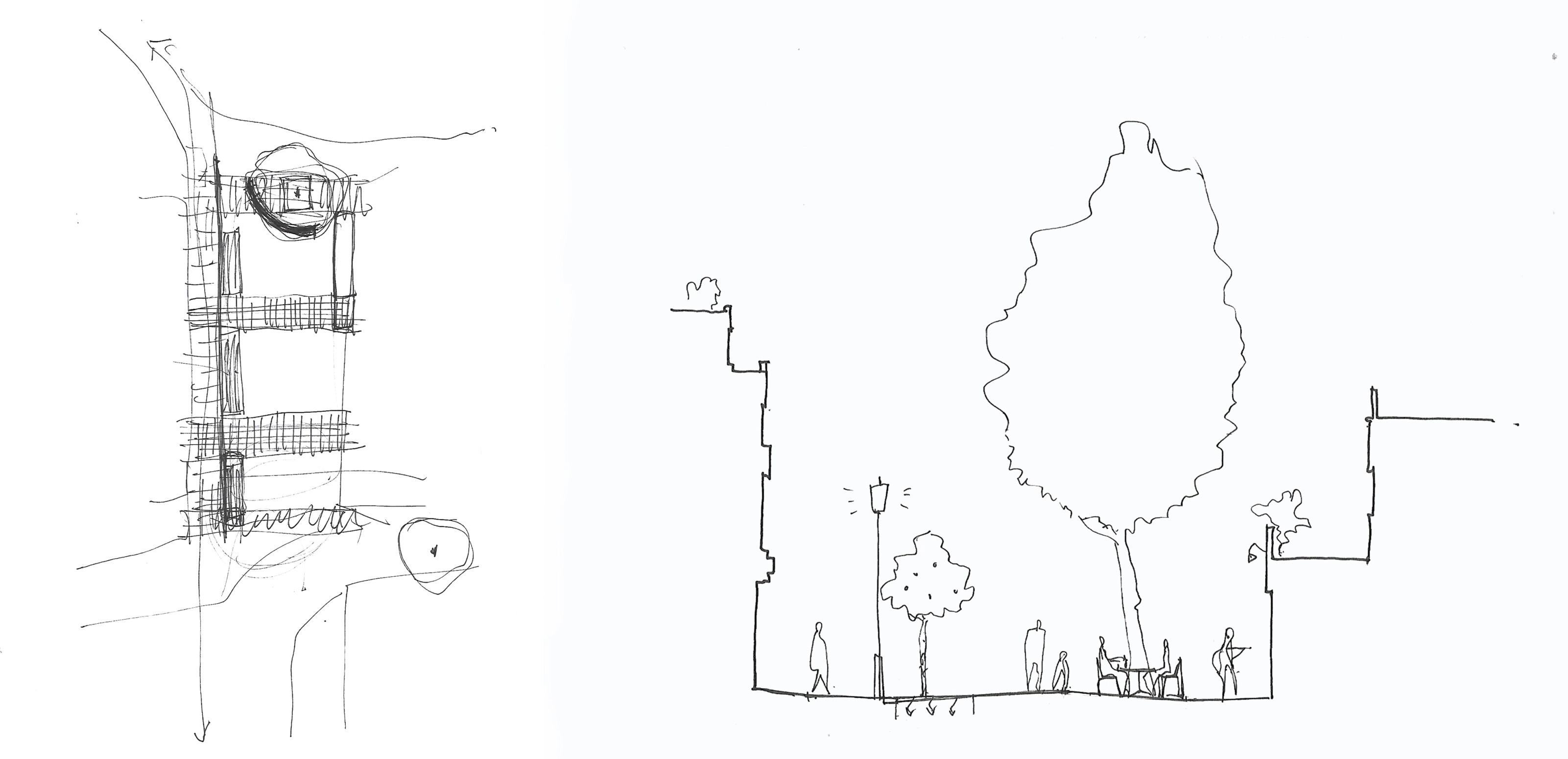
Brompton Cross, 2016
Public Realm Transformation
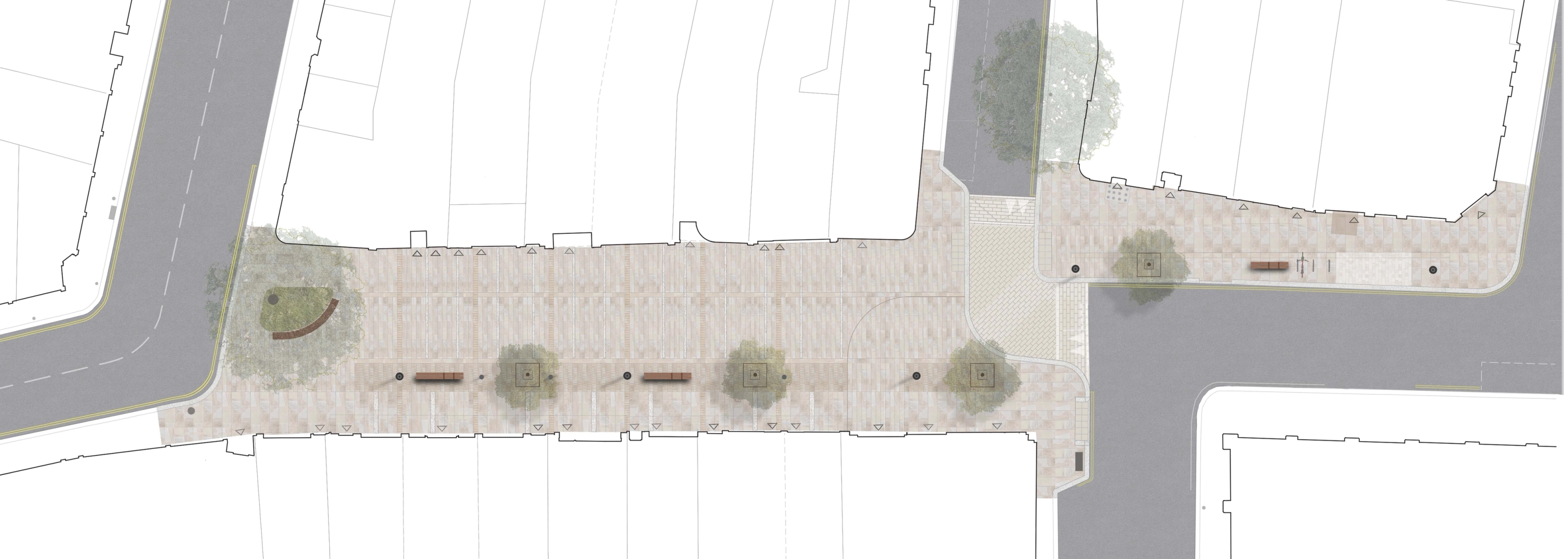
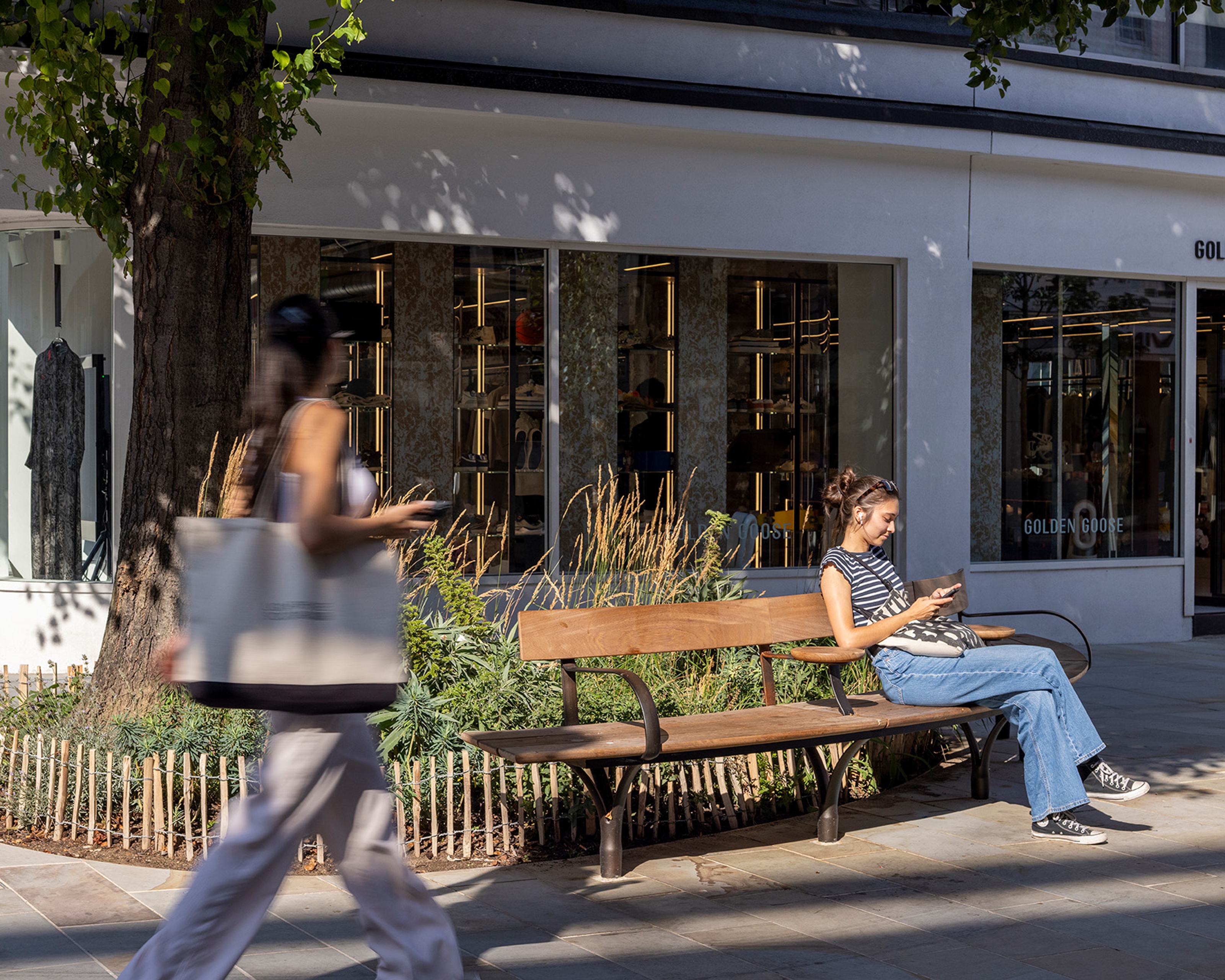
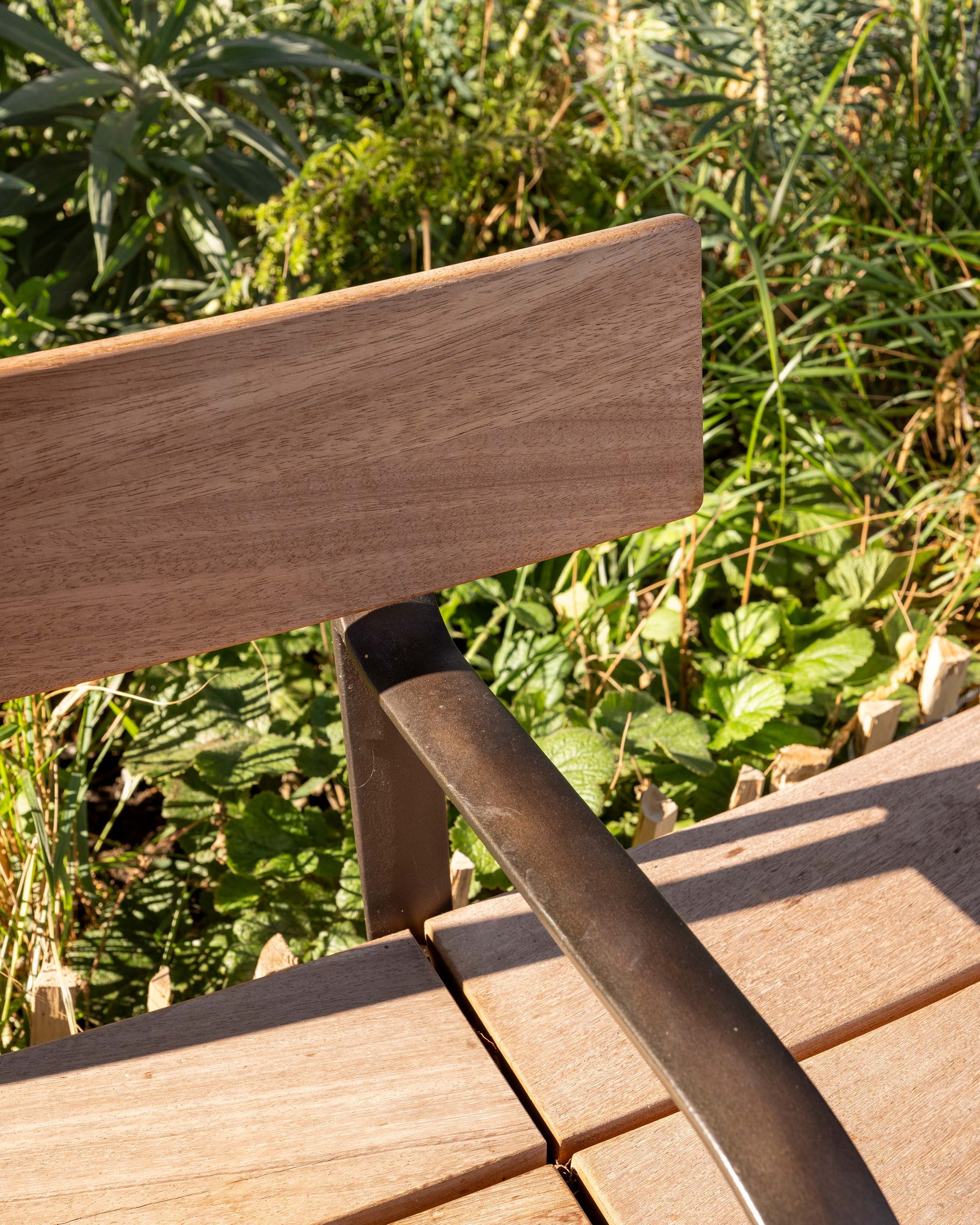
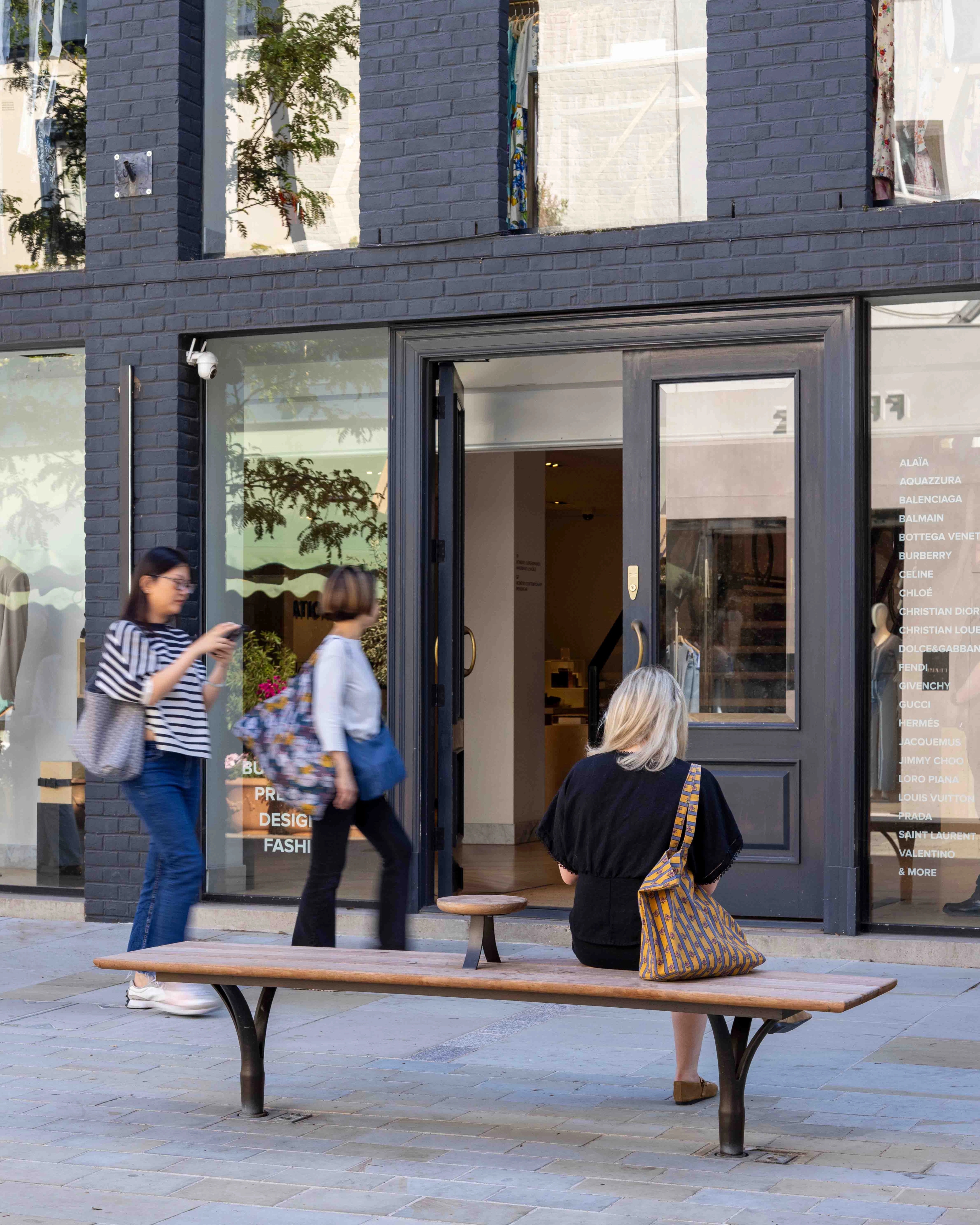
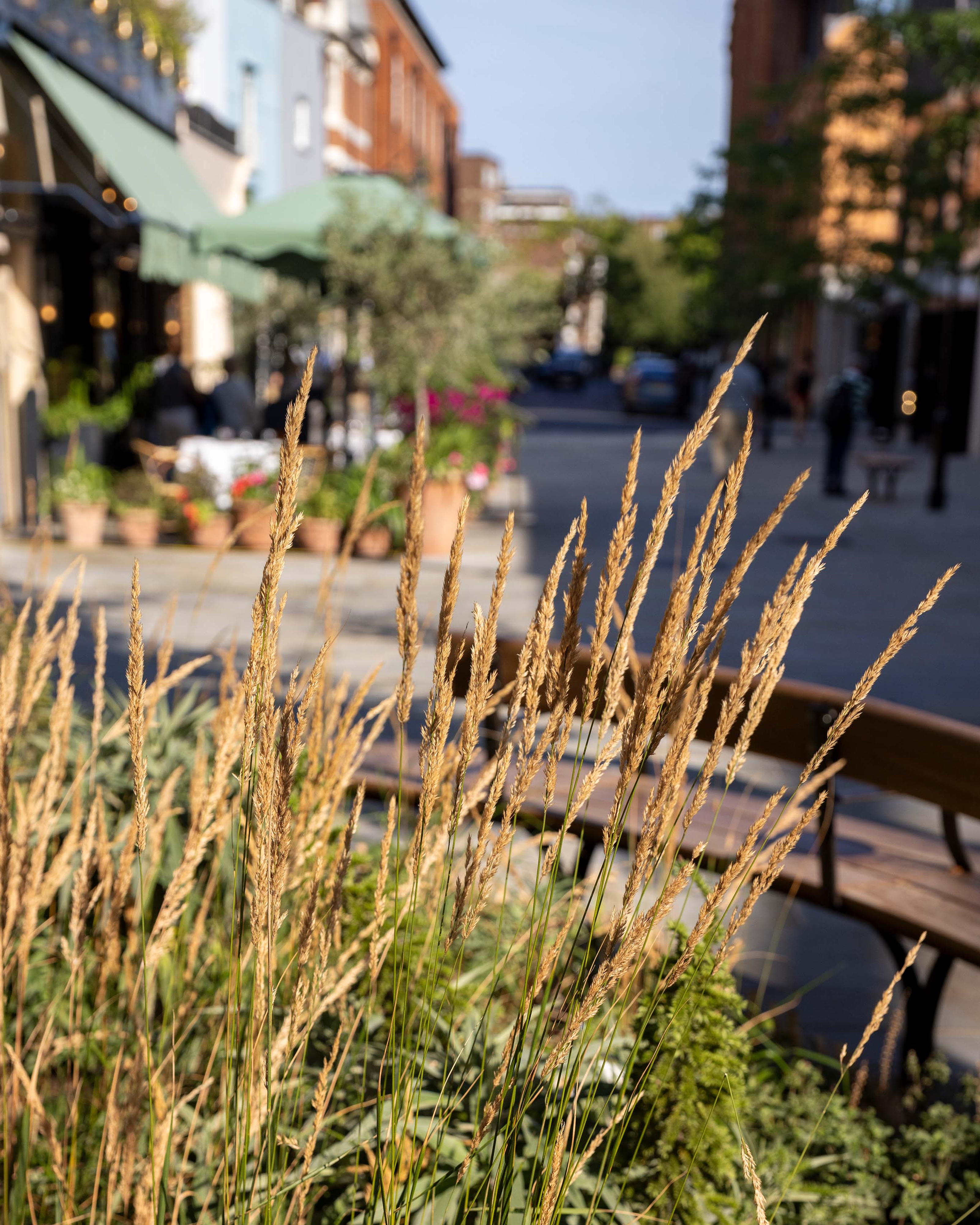
Bespoke new benches, made from Iroko timber, were designed in collaboration with Furnitubes. The seating is removable, allowing the space to flexibly adapt to street events, al fresco dining and everyday public use.
Working with Central London Gardening Co, a new planting bed was introduced around an existing Italian Alder tree, providing a natural buffer from Walton Street traffic. In addition four new trees, three Gleditsia triacanthos 'Skyline' and a Celtis australis, were planted in pits with underground soil cells that provide expanded rooting volumes, reduce soil compaction and support the trees into maturity.
To prioritise pedestrians and cyclists, a section of the carriageway was closed to through traffic to Walton Street, contributing to the transformation of nearly 900 square metres of new pedestrian space.
High-quality, natural materials define the character of the space. Yorkstone paving is accented by Grampian granite quarried from Moray, northeast of Scotland, which also forms the raised table connecting Draycott Avenue with Donne Place.

Photography by Edward Bishop