Wandsworth at Night: Sounds of the Borough

Collecting sounds and stories of Wandsworth at night, captured by local residents

A city isn’t just seen, it is heard and felt. This collection offers a window into nighttime life in Wandsworth, sharing often-overlooked sounds and stories told by its residents. It explores the ways in which soundscapes shape perceptions of spaces at night and in turn, feelings of safety.

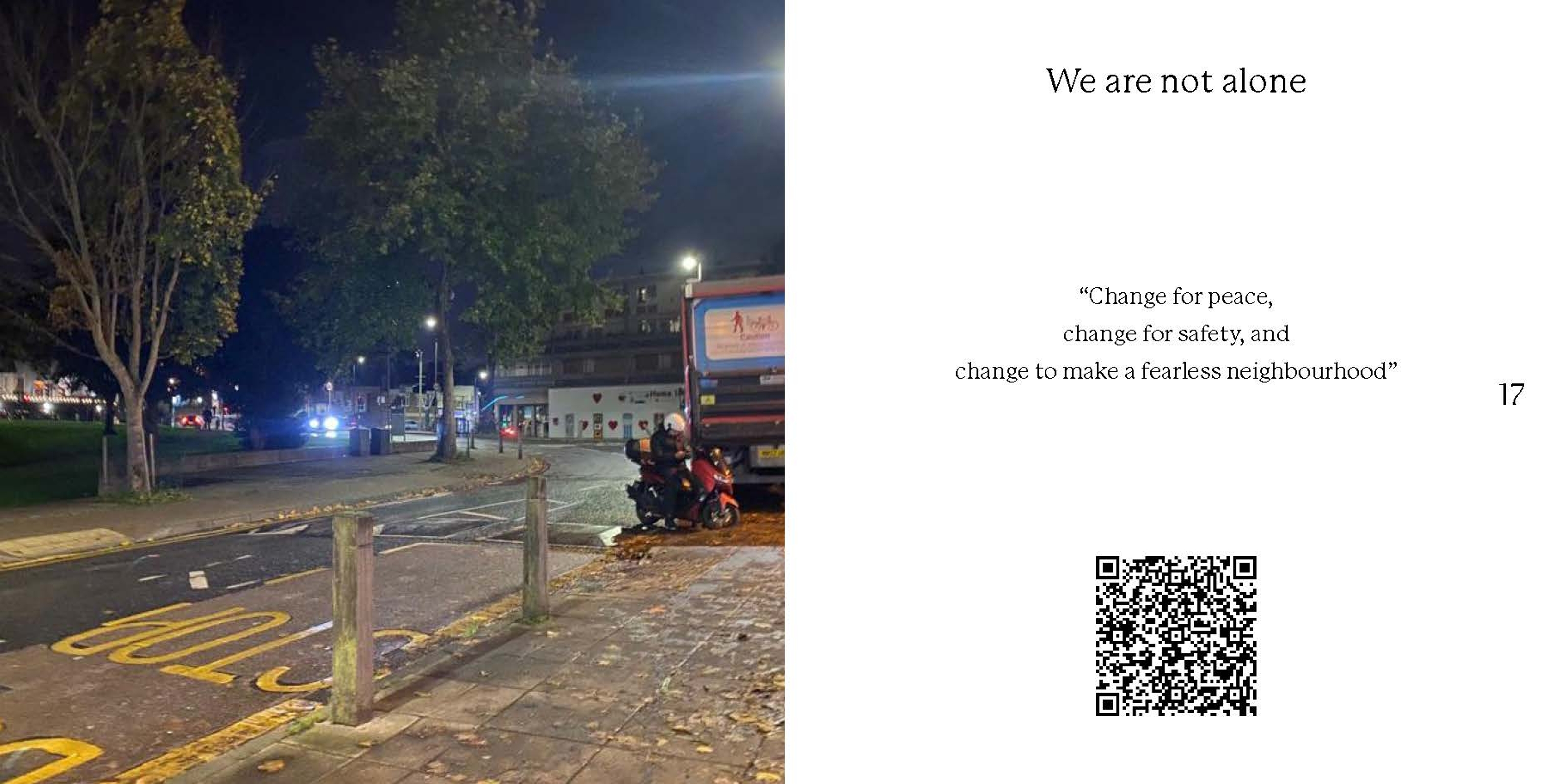
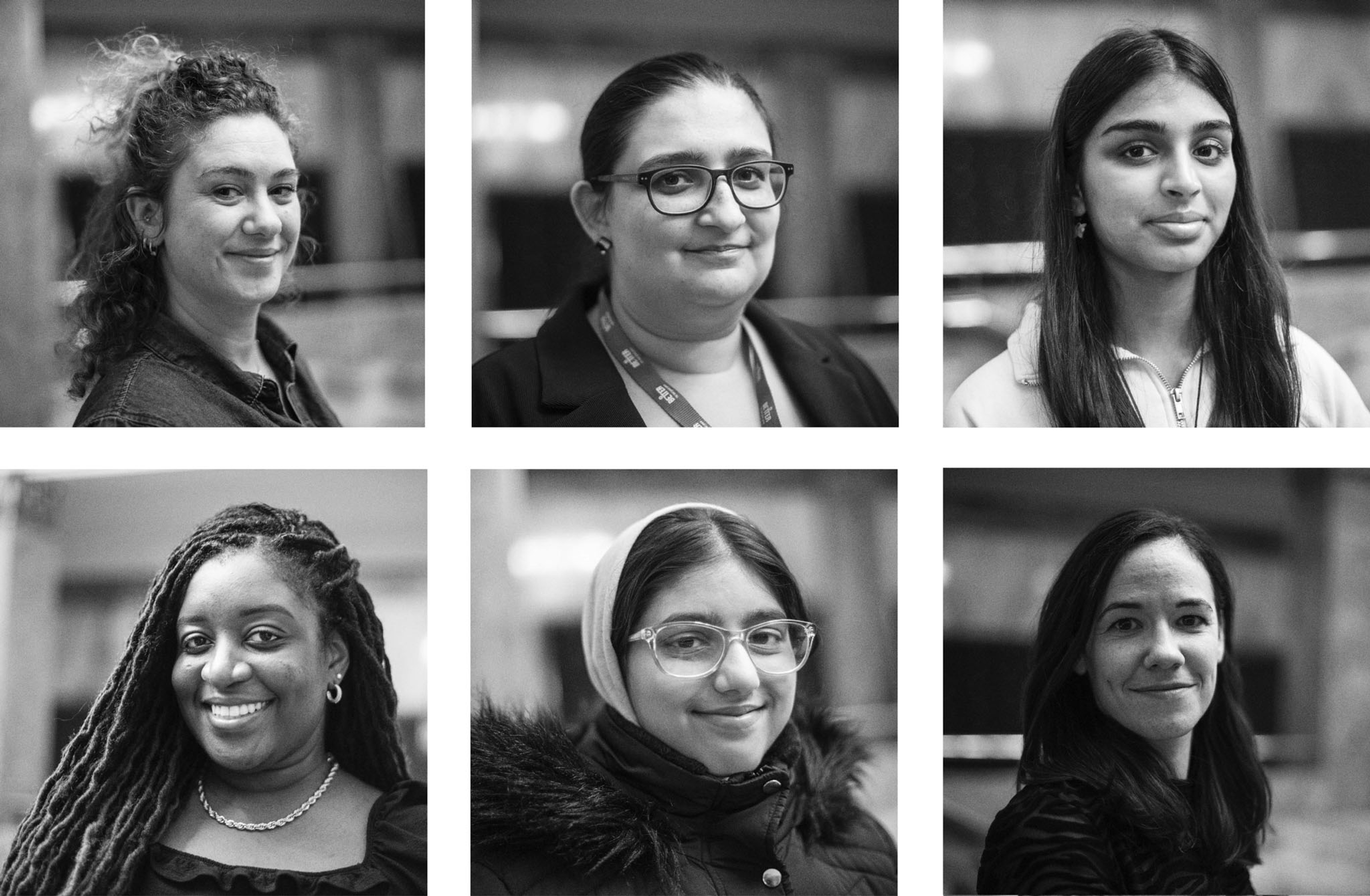
Over two weeks, participants recorded audio diaries of their experiences in Wandsworth at night. The recordings, accessible via QR codes in the report, invite you to listen into their lives and put yourself in their shoes. From the rush down Clapham Junction’s stairs to the buzz of a gig queue, they capture the atmosphere of the borough, in all its diversity.

Report spreads

Why sound?

At night, our perception of sound is heightened. Noise can comfort, or disturb, signal company or solitude. Silence can feel calm or quickly become unsettling. Sounds tell us where we are, who we are and what kind of place we live in.

The sounds of our neighbourhoods at night have become a by-word for their vibrancy, activity and life: we claim to live in quiet areas when little animates our neighbourhoods past 6pm. Sounds at night also tell us something about the 24 hour cycle of the city and the social and physical infrastructures that shape our everyday lives. From waste collection and food deliveries to hospital waiting rooms and bus depots, these sounds uncover the complex systems and essential workforces that keep our cities running.

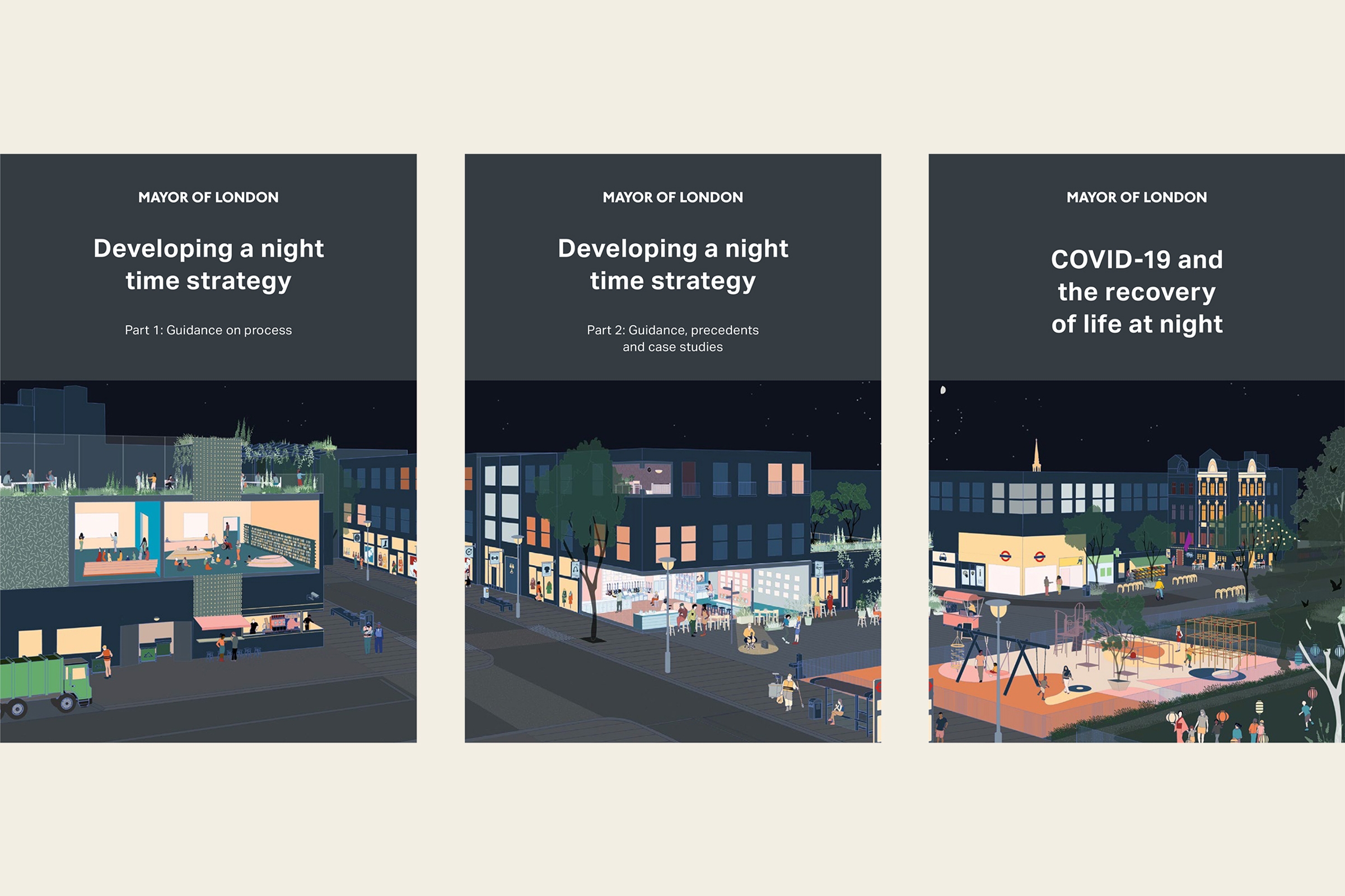
As Wandsworth Council develops one of London’s first night time strategies, looking holistically at all aspects of the borough from 6pm to 6am, these voices and sounds offer vital insight into what it means to live, travel and work through the night.

People’s experiences differ markedly. For some people, night time means insecurity, fear and isolation whereas others associate night time with community, faith, culture or socialising.

This project draws attention to the diversity of people’s night times. It reminds policy-makers to think of the details that make a nocturnal city something that isn’t just passed through but is felt, heard and sensed viscerally.

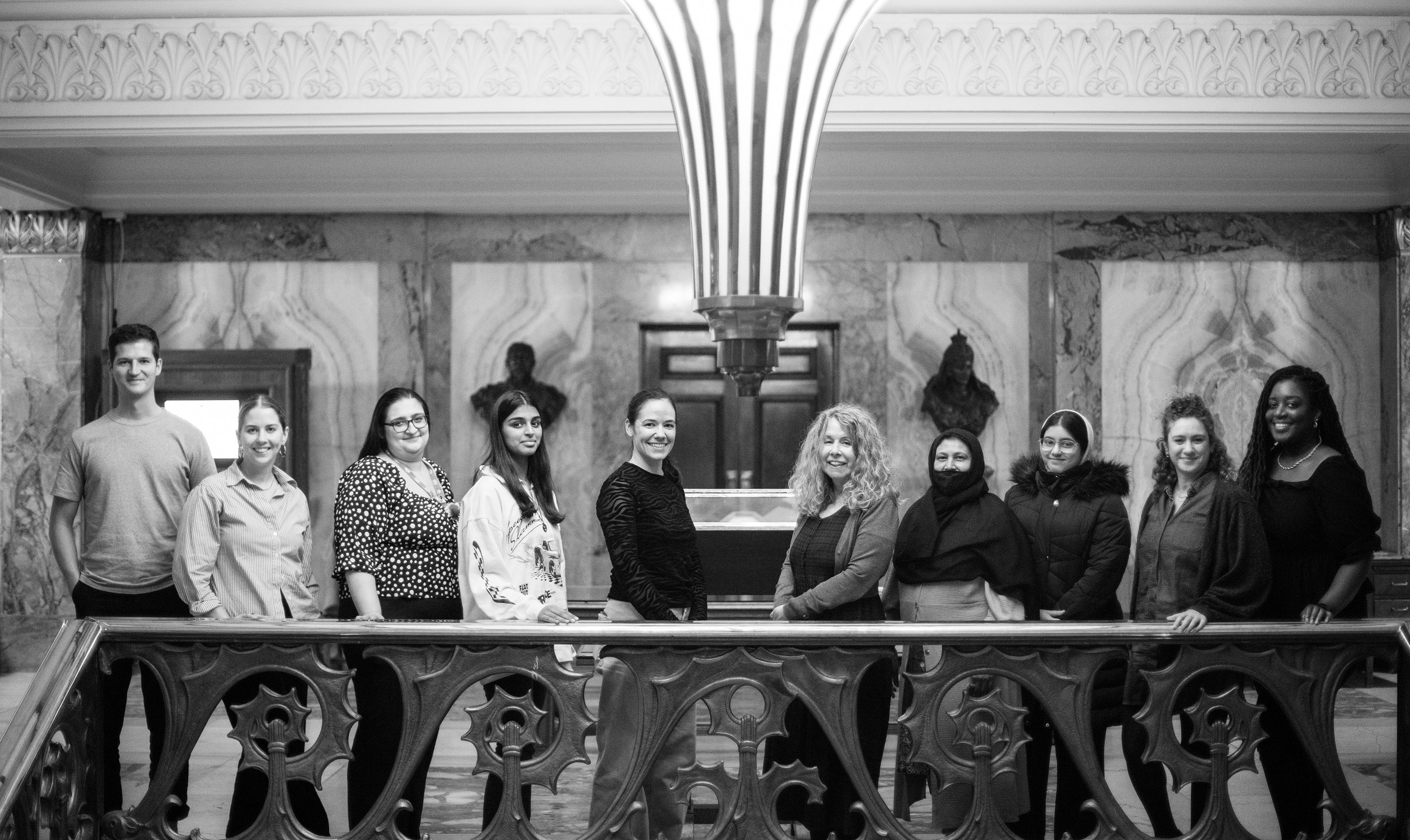
Portraits of the contributors by Grace Gelder