Developing a Night Time Strategy

Guidance to inspire a new wave of night time planning across the capital

In 2020, the Greater London Authority (GLA) commissioned Publica to create the most ambitious night time guidance produced by any city in the world. Published in early 2021, it sets out the many benefits for councils, communities and businesses of creating diverse and inclusive night time plans together, with step-by-step guides and inspiring case studies from across the globe on how this can be achieved.

The night time offers unique opportunities to enrich and diversify the experience of a borough. By developing a night time strategy, local authorities can address such diverse goals as combating loneliness, improving feelings of safety at night, celebrating a wide range of cultures, increasing the wellbeing of night workers, and nurturing the next generation of creative workers, among many more.

Holistic planning for London’s communities between 6pm and 6am is critical to the economic, social and cultural vitality of the city. If we do not protect and nurture London’s vitality at night we put at risk the reasons that social, curious, creative and talented people are drawn to our city and feel proud to call London their home.

Policies that influence the character and use of town centres after 6pm affect everyone. Developing a night time strategy requires a balanced and holistic view. As such, Publica produced guidance that has been compiled with the knowledge that people have different experiences of the city at night, and some face barriers to participation. Achieving the ambitions set out in this guidance will require boroughs to understand and deal with safety concerns at night.
This is the most far-reaching night time guidance produced by any city in the world. It sets out the many benefits — for councils, communities and businesses — of creating diverse and inclusive night time plans together.

Amy Lamé, Night Czar (2016–2024)

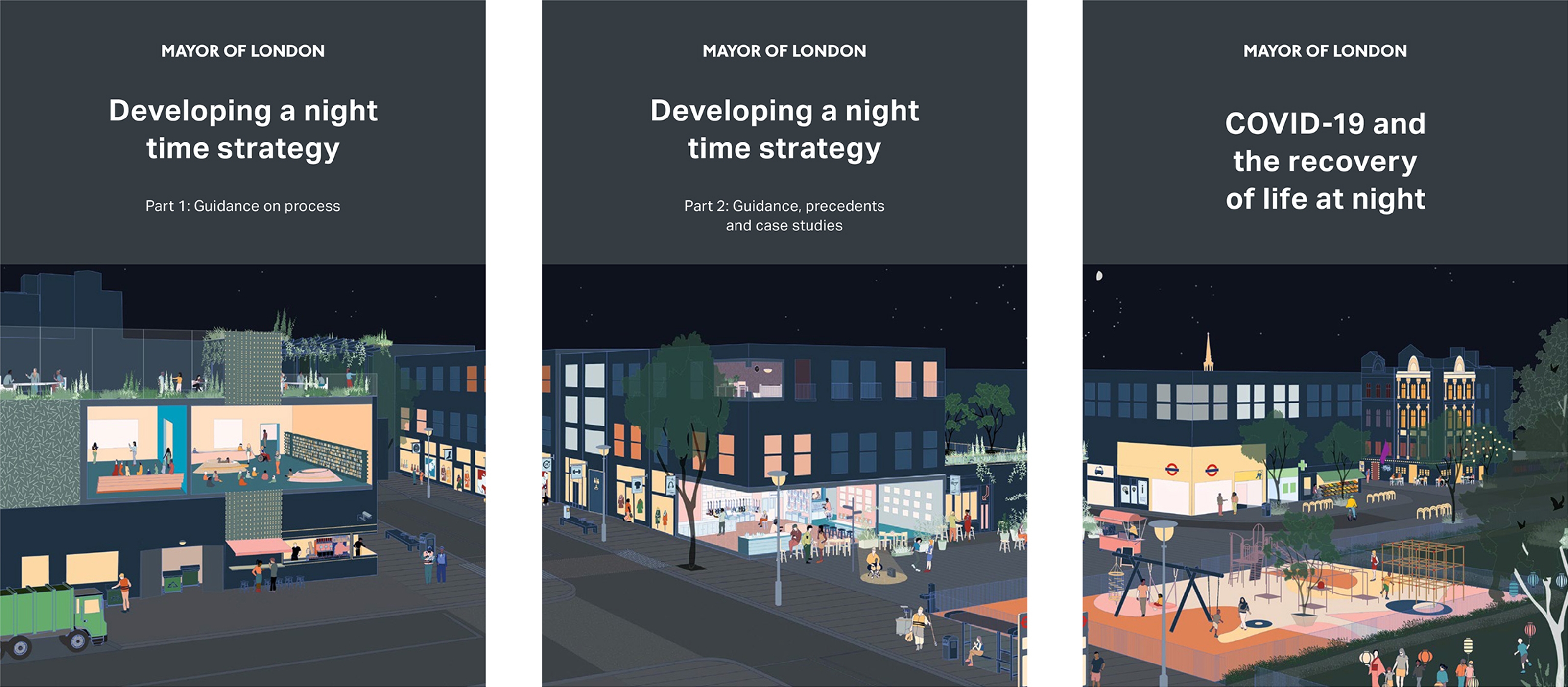
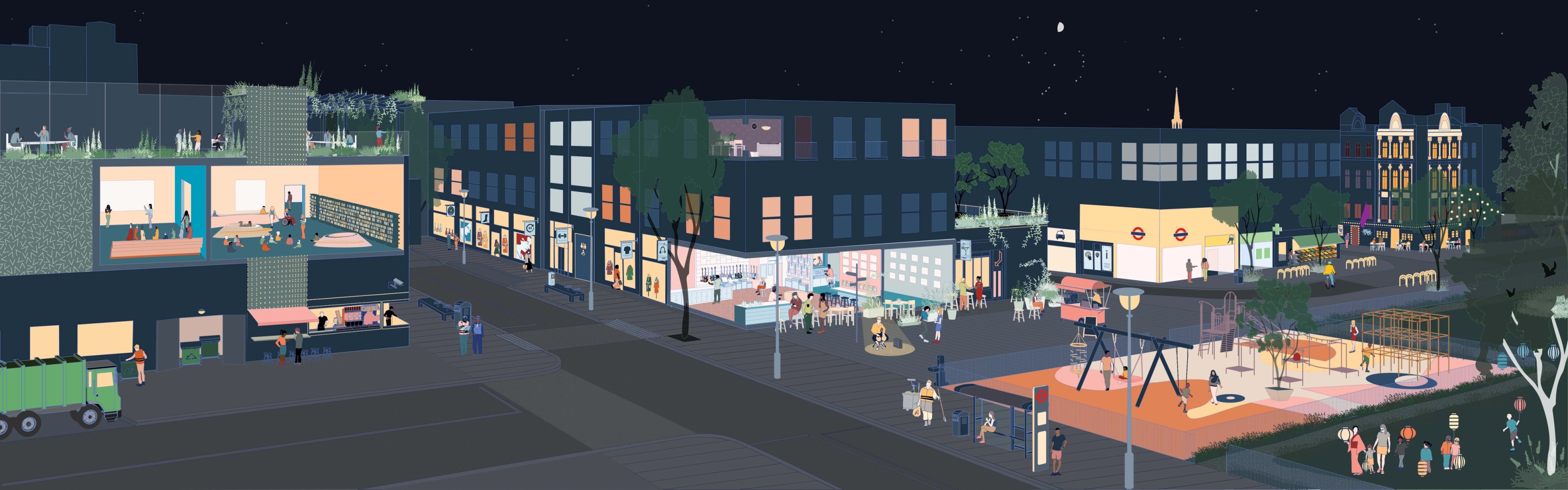
An illustrated view of a London block at night with a playground, Underground station and activity in buildings on ground floors and upper levels.

(Image credit: GLA)

The guidance developed by Publica is addressed to local authorities in London seeking to develop a night time strategy, and covers the creation, delivery and monitoring of a holistic night time strategy over three parts:

  • Part 1: Guidance on process
  • Part 2: Guidance, precedents and case studies
  • Part 3: COVID-19 and the recovery of public life at night post-lockdown

To create the guidance, Publica undertook extensive research and interviews with designers, academics, entrepreneurs, and local authority officers in London, Europe, Australia and south America, as well as a number of roundtables organised with the Night Time Borough Champions Network, which were chaired by Night Czar Amy Lamé. These forums gathered representatives from London Boroughs who are proactively advocating, planning and managing night time activities in their respective boroughs. Best practice was shared, and the roundtables ensured that research and guidance was steered towards their needs.

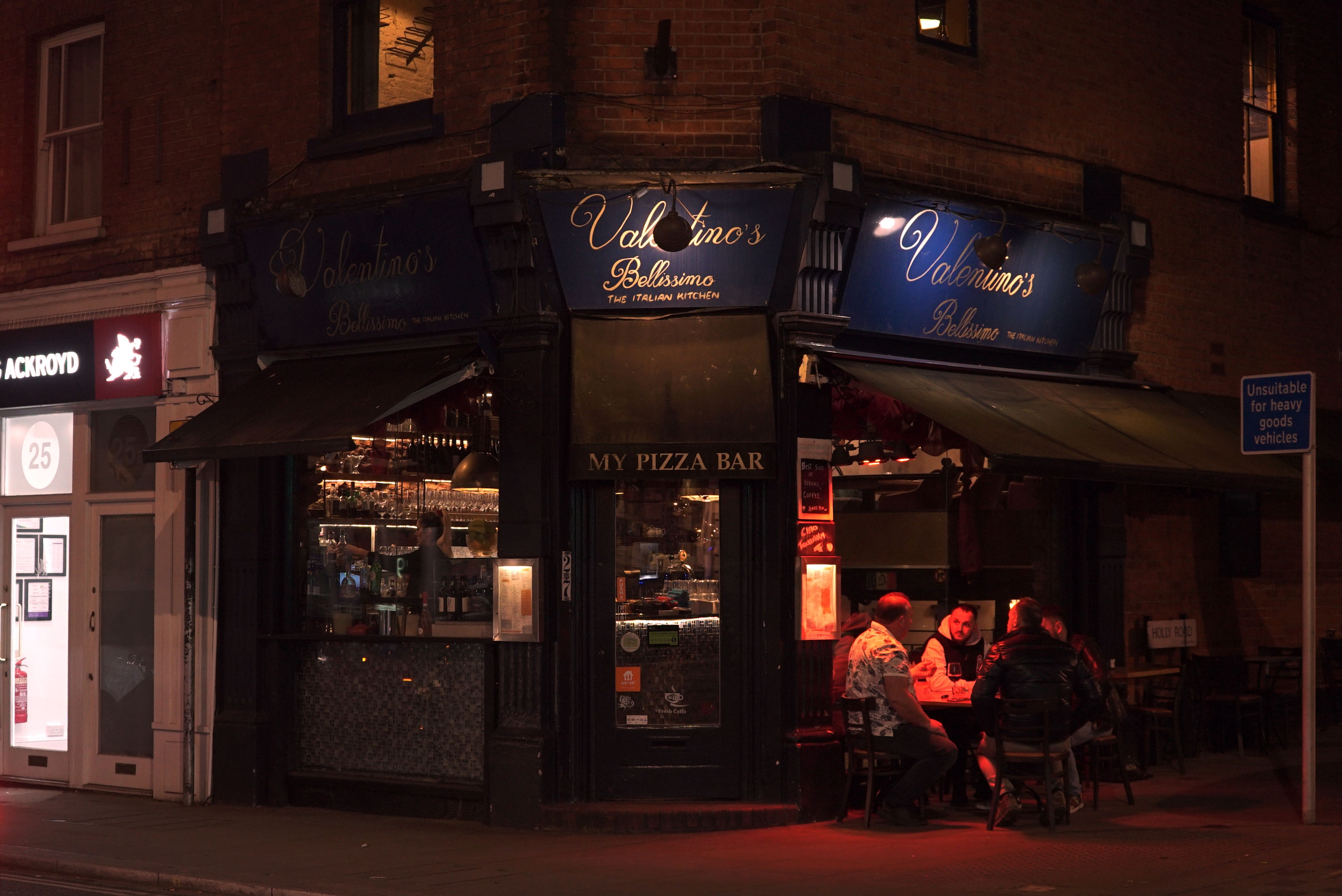
Photo of a pizza bar on a corner at night with people sat outside with heaters.
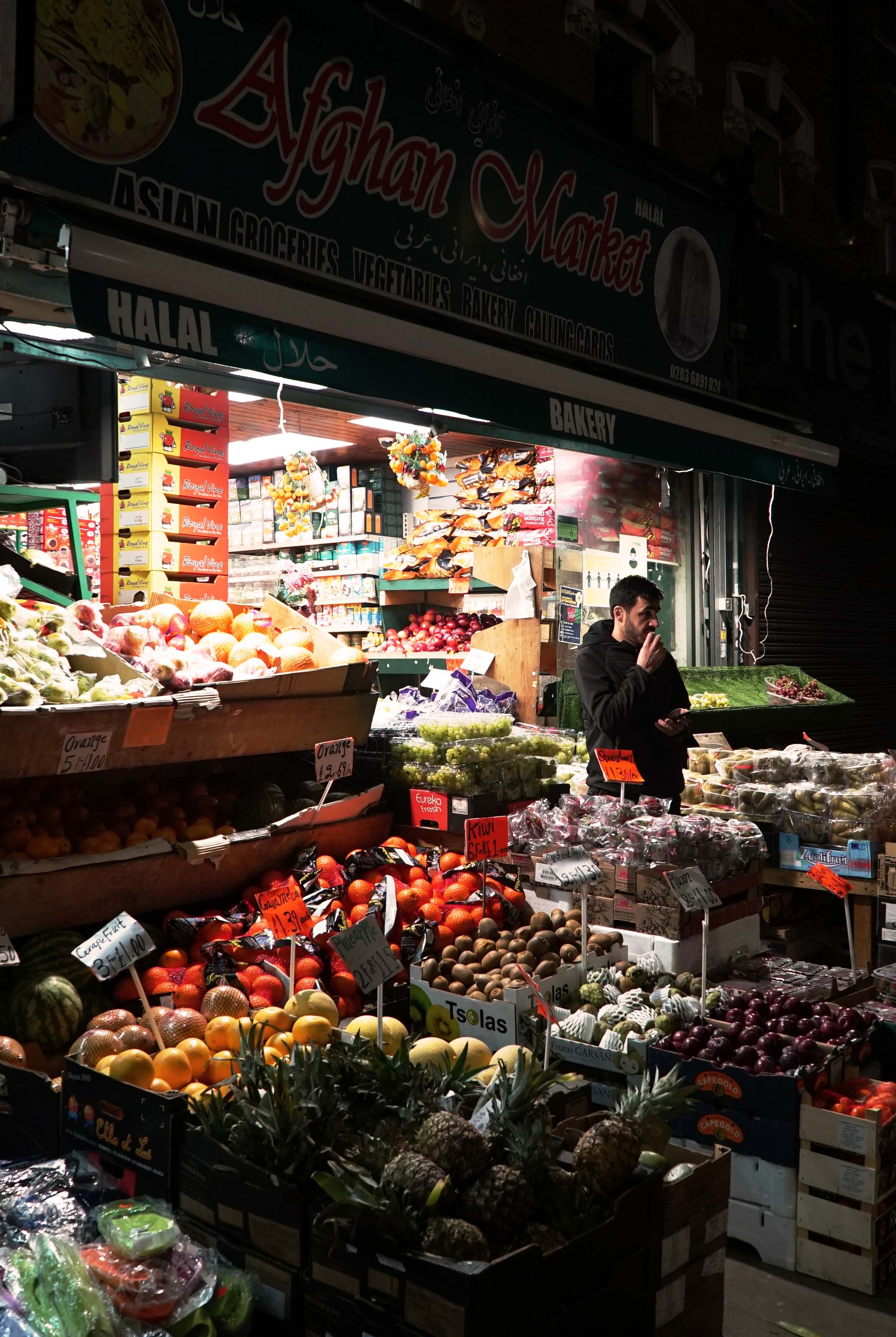
Photo of a grocery store at night with fruit and vegetable produce on display outside.
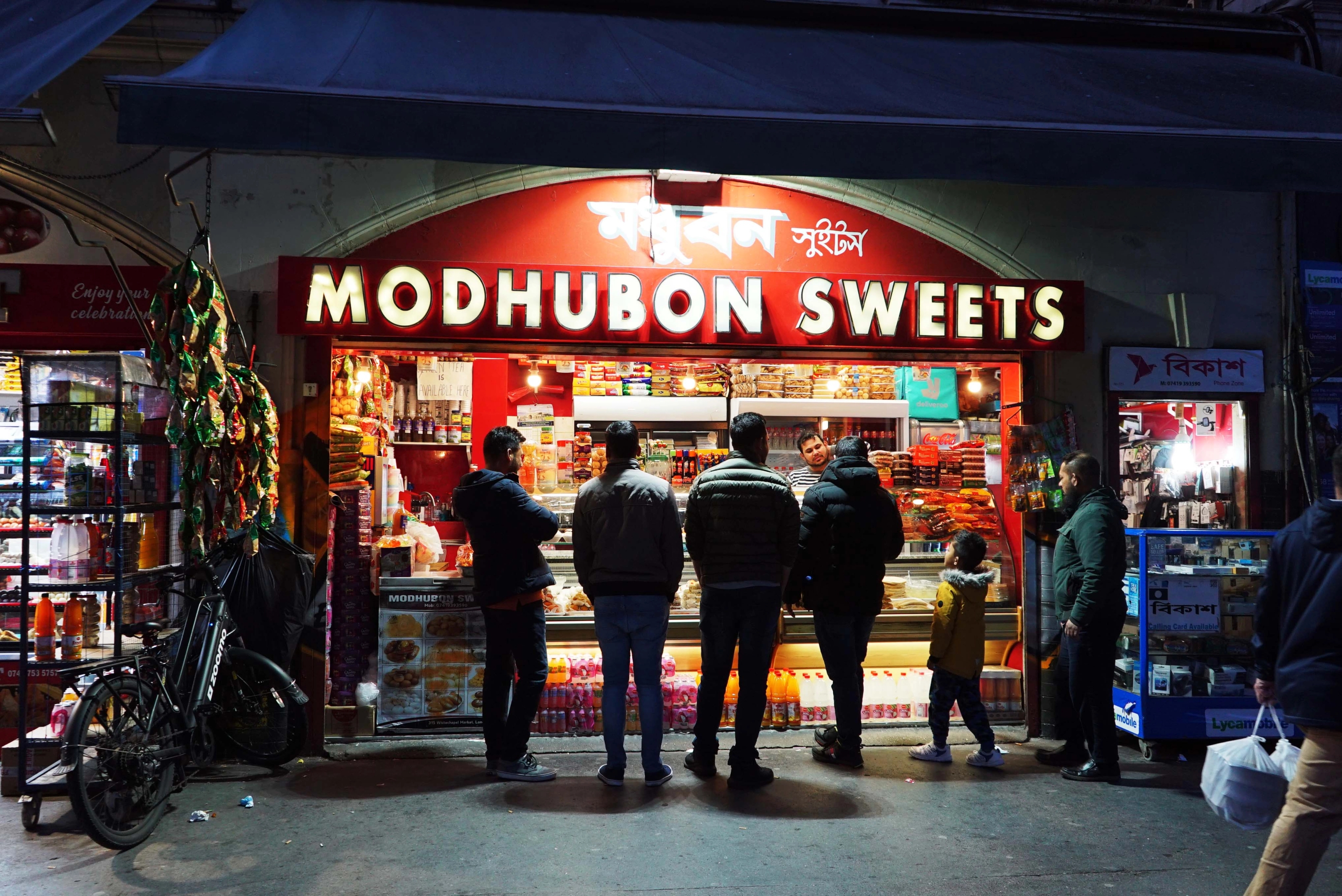
Photo of a lit shop front at night with a sign saying Modhubon sweets and people waiting out infront.
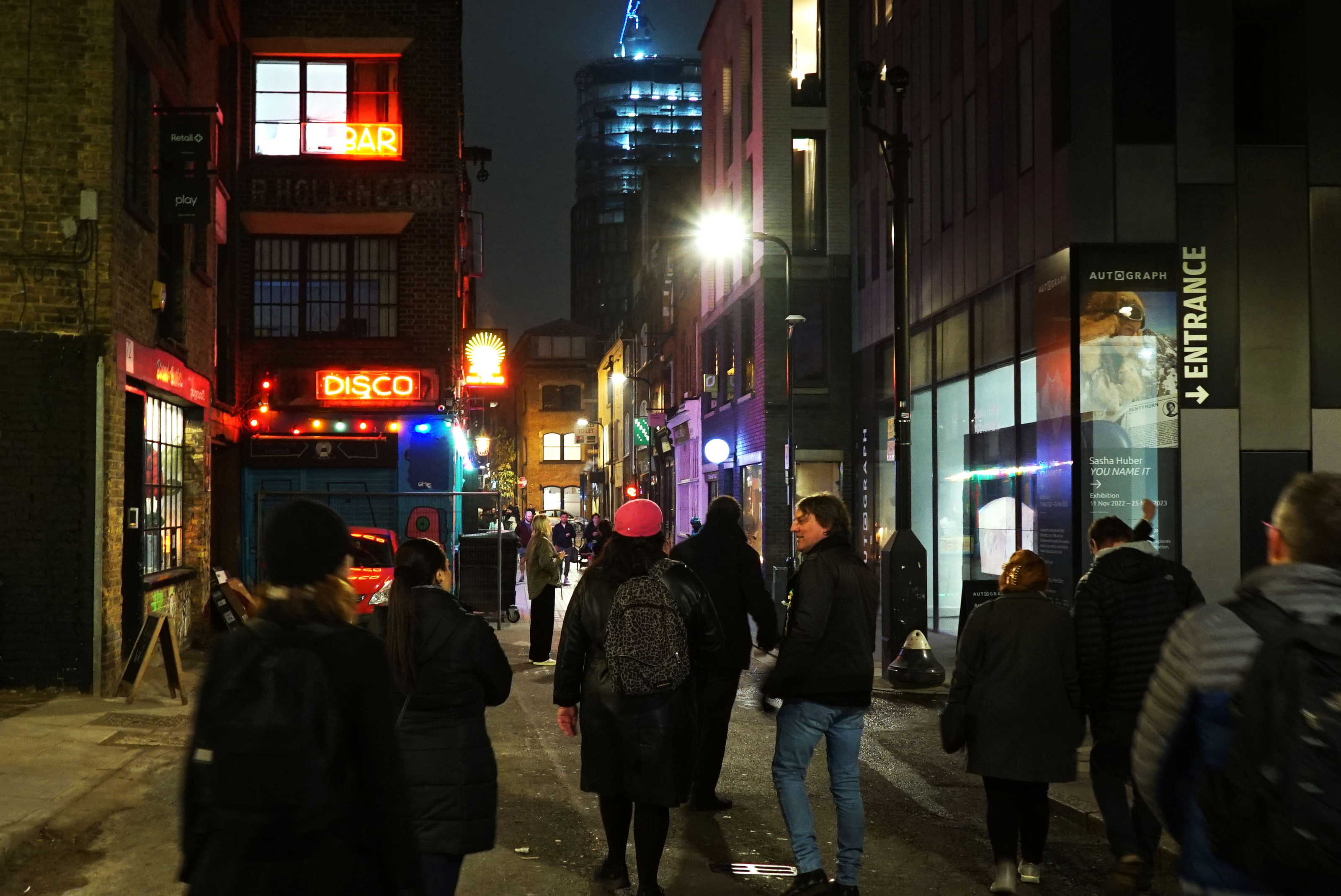
Photo of people walking down a dark street with litup shops and signage

Photography by Richmond, Barnet, Tower Hamlets, and Hackney

Night Time Enterprise Zone Programme

The GLA has published Publica's evaluation of the impacts of London’s three latest Night Time Enterprise Zones (NTEZ) – Bromley town centre, Woolwich and Vauxhall. NTEZ are areas that receive a grant of £130,000 and guidance to develop a night time strategy for the area, with an aim to make their streets more welcoming after 6pm, extend businesses opening hours, support local businesses and improve conditions for night workers. Measures of success include an improved experience of safety and increased footfall in the selected areas.

London’s 600 high streets have faced extraordinary challenges in recent years. The effects of the pandemic continue to be seen, and businesses face crises including staffing shortages, energy price rises and changing consumer behaviours. The NTEZ programme was developed by the Night Time Commission and implemented by the Mayor of London, Night Czar Amy Lamé and London Economic Action Partnership. Publica documented and evaluated the results of the programme with an extensive report, which revealed:

  • 56 events took place across the three zones drawing people to the high street. This included the Library Lates event in Bromley, which attracted 3,000 people, Queermas makers market in Vauxhall, which more than 1,800 people attended, and the Royal Arsenal Riverside Summer Festival in Woolwich, which received over 4,000 attendees.
  • 65 businesses extended their opening hours during the events – which increased the average local spend by up to 70 per cent between 6pm and 9pm compared to the same dates in 2022.
  • Over 69 per cent of people surveyed said they felt safer during events and most people felt more positive about their area.

The Night Time Enterprise Zones Evaluation report written by Publica will now be used by the Mayor, Sadiq Khan, and Amy Lamé to encourage other boroughs to extend opening hours, host events and diversify their high streets at night.

I’m delighted that my Night Time Enterprise Zone programme has helped to boost high streets in Bromley, Vauxhall and Woolwich so dramatically … This programme shows that by taking a creative approach and offering more to local people after 6pm there can be far reaching benefits.

Sadiq Khan, Mayor of London

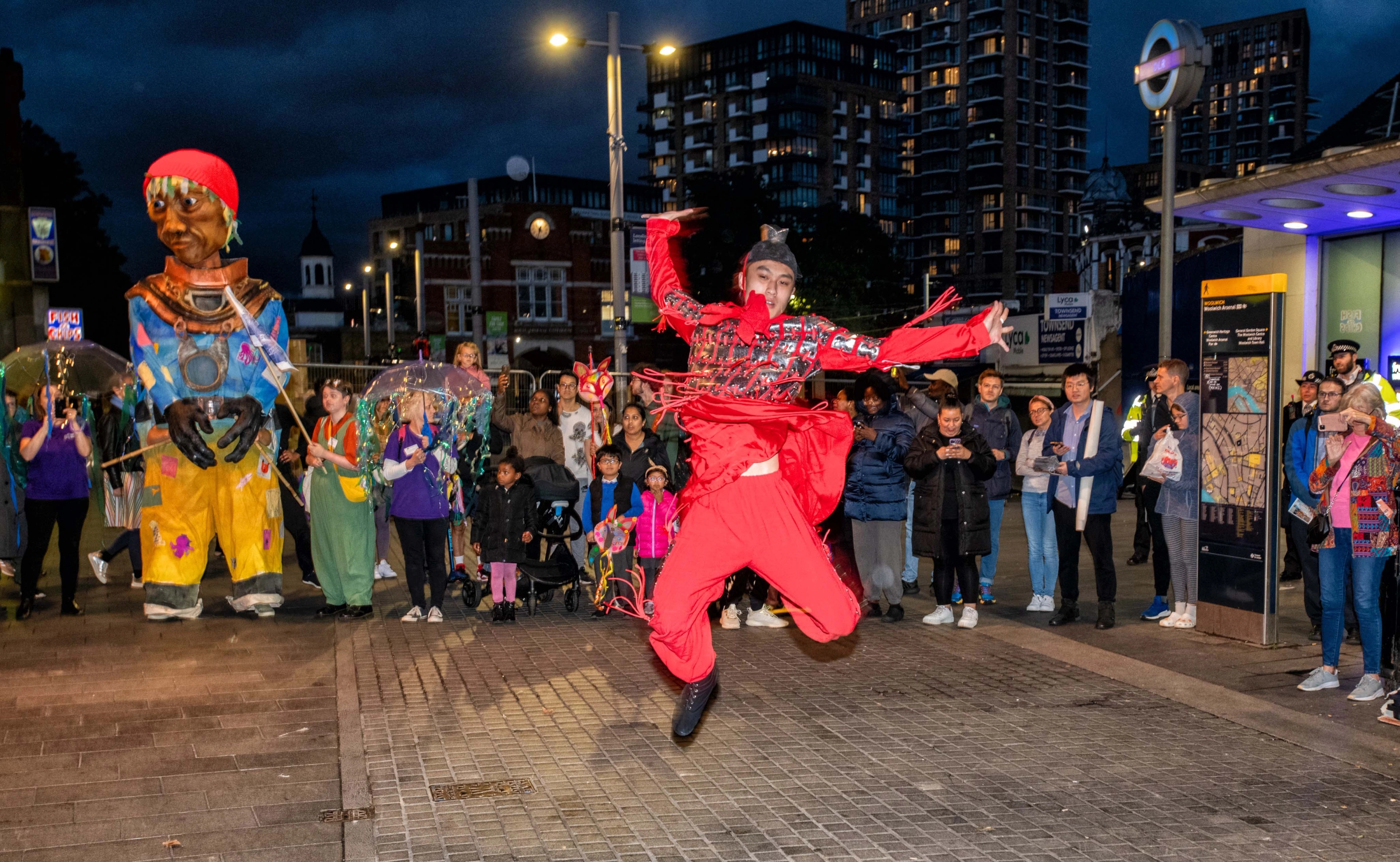
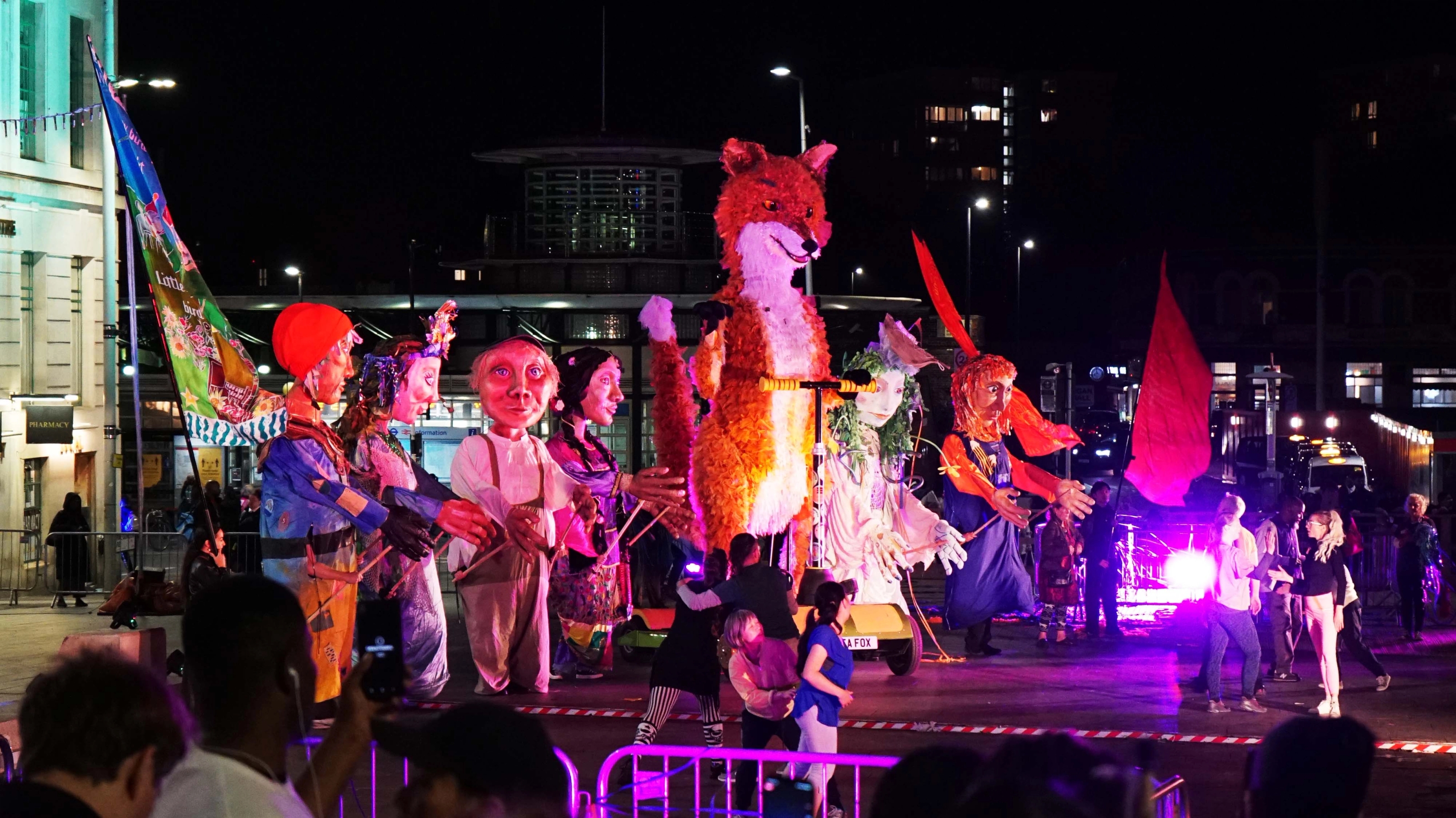
A performer dances in front of a crowd and a giant puppet outside Woolwich Arsenal DLR station at night.
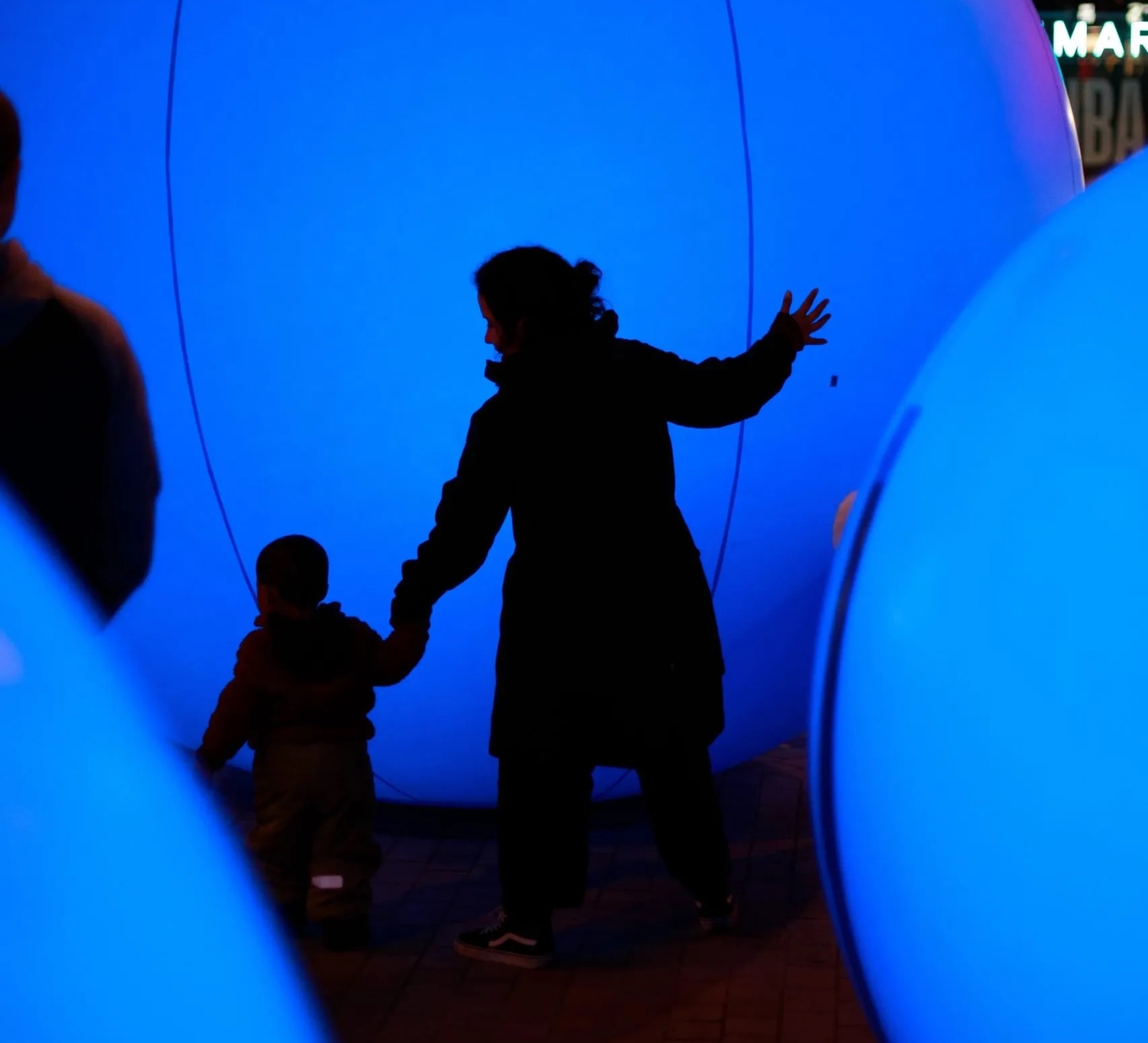
An adult and a child walk between three large illuminated inflated blue orbs.
Performers dressed up in colourful paper outfits on a lit up stage at night
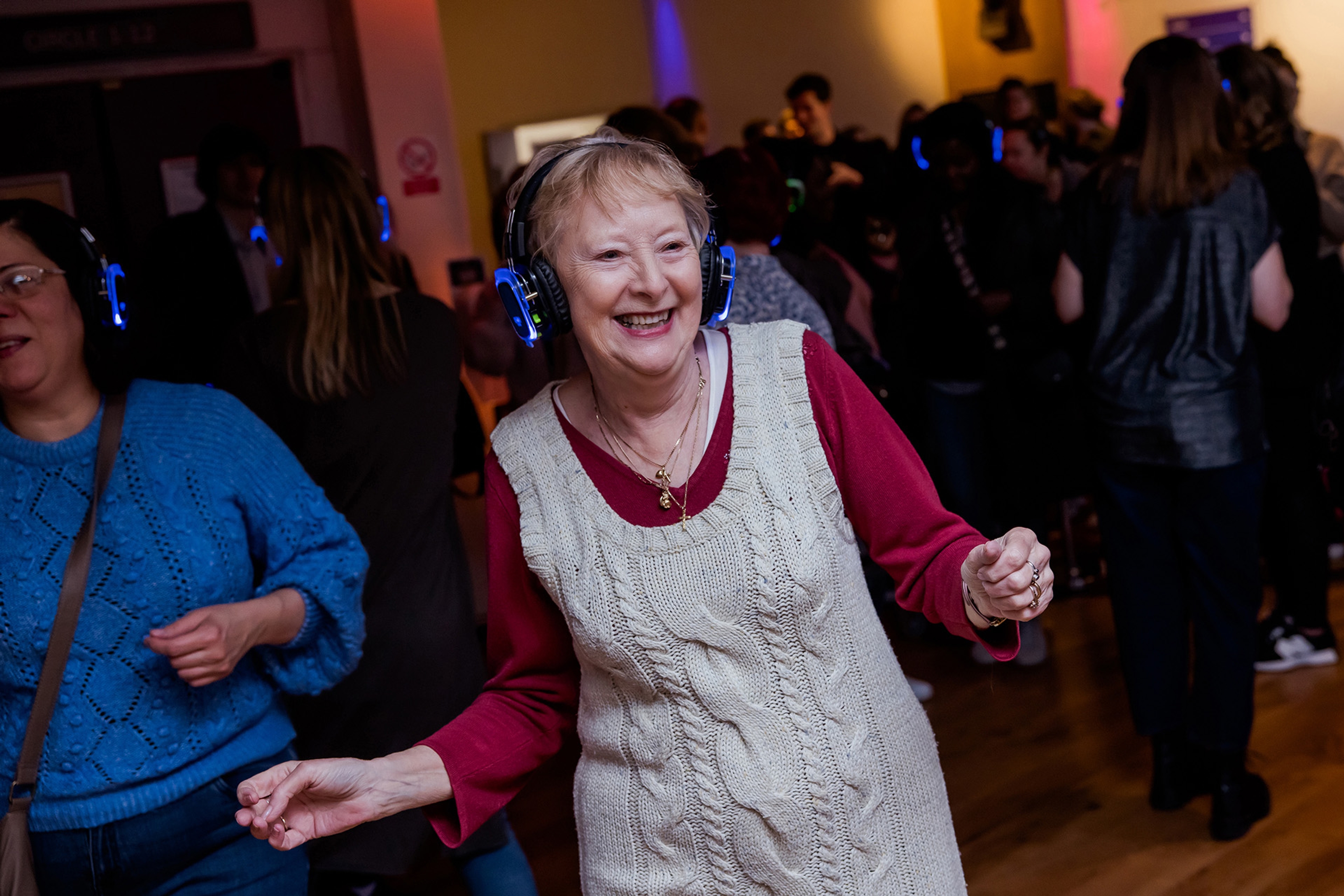
A dancer with headphones on at a silent disco.

Photography by (left to right): GLA, GLA, Publica and Kate Darkins

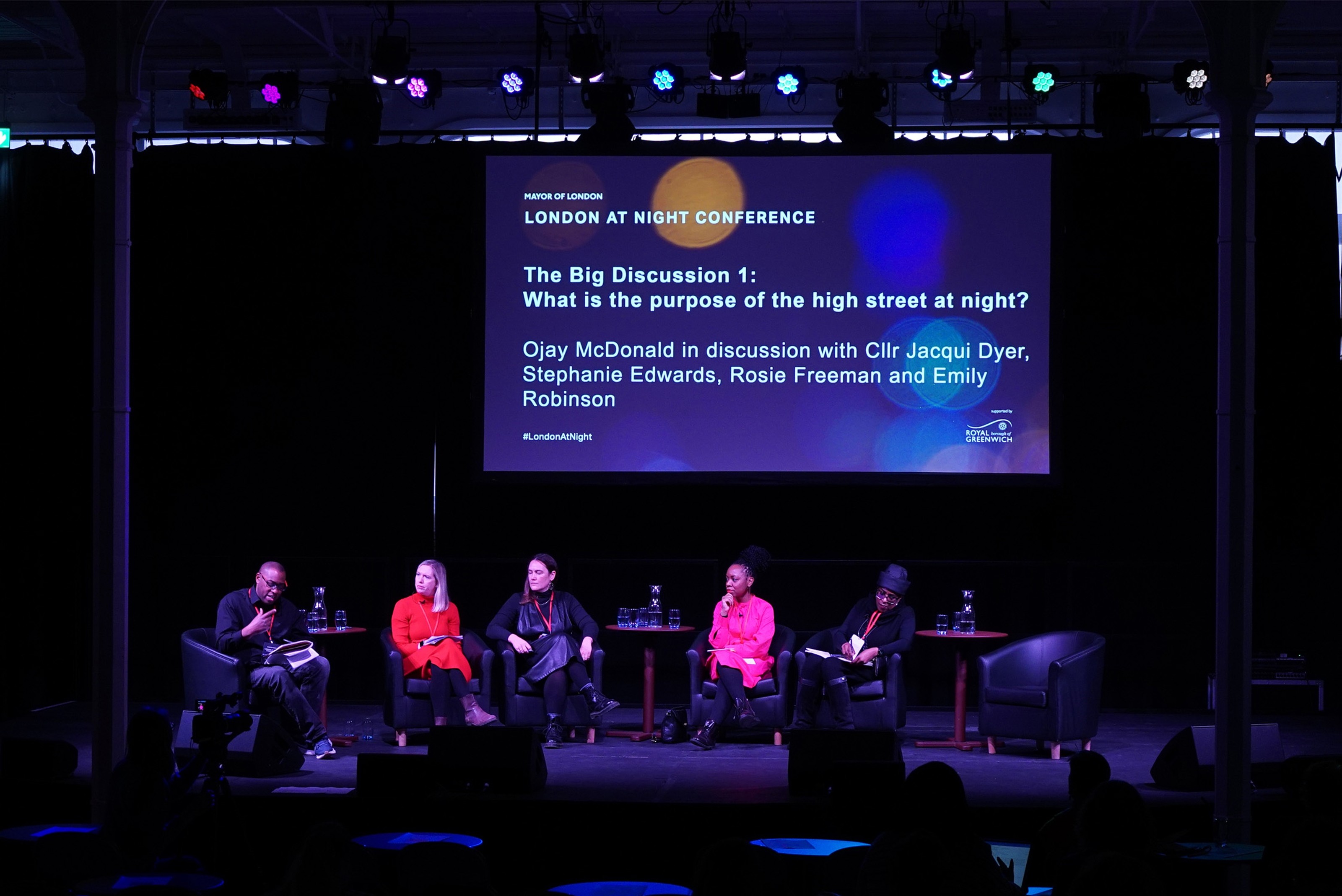
Publica organised Inaugural London at Night Conference with the 24 Hour London team and Night Czar Amy Lamé at the GLA. Hosted at Woolwich Works, the event brought together a range of experts, including Ojay McDonald, Victoria Hills, Rosie Freeman and Sarah Douglass, to discuss topics including the purpose of the high street after 6pm and the future of London as a 24-hour city.

Publica appointed night time strategy consultant to GLA 24-Hour London team in 2021. Part of a recommissioning to support boroughs to develop night time strategies.

As part of the Greater London Authority’s ongoing campaign for a 24-hour London, Publica and Didobi will be delivering one-to-one support to boroughs looking to, and already working on, evening and night time strategies.

The programme of work will see teams from Publica and Didobi working closely with the GLA and stakeholders to help implement a range of place-specific, evidence-based night time strategies and projects across London that can help inspire other London boroughs, and towns and cities across the globe.

Both Publica and Didobi advocate strategies and projects that are underpinned by a robust evidence base and have worked on complex projects across a range of timescales, budgets and geographies.

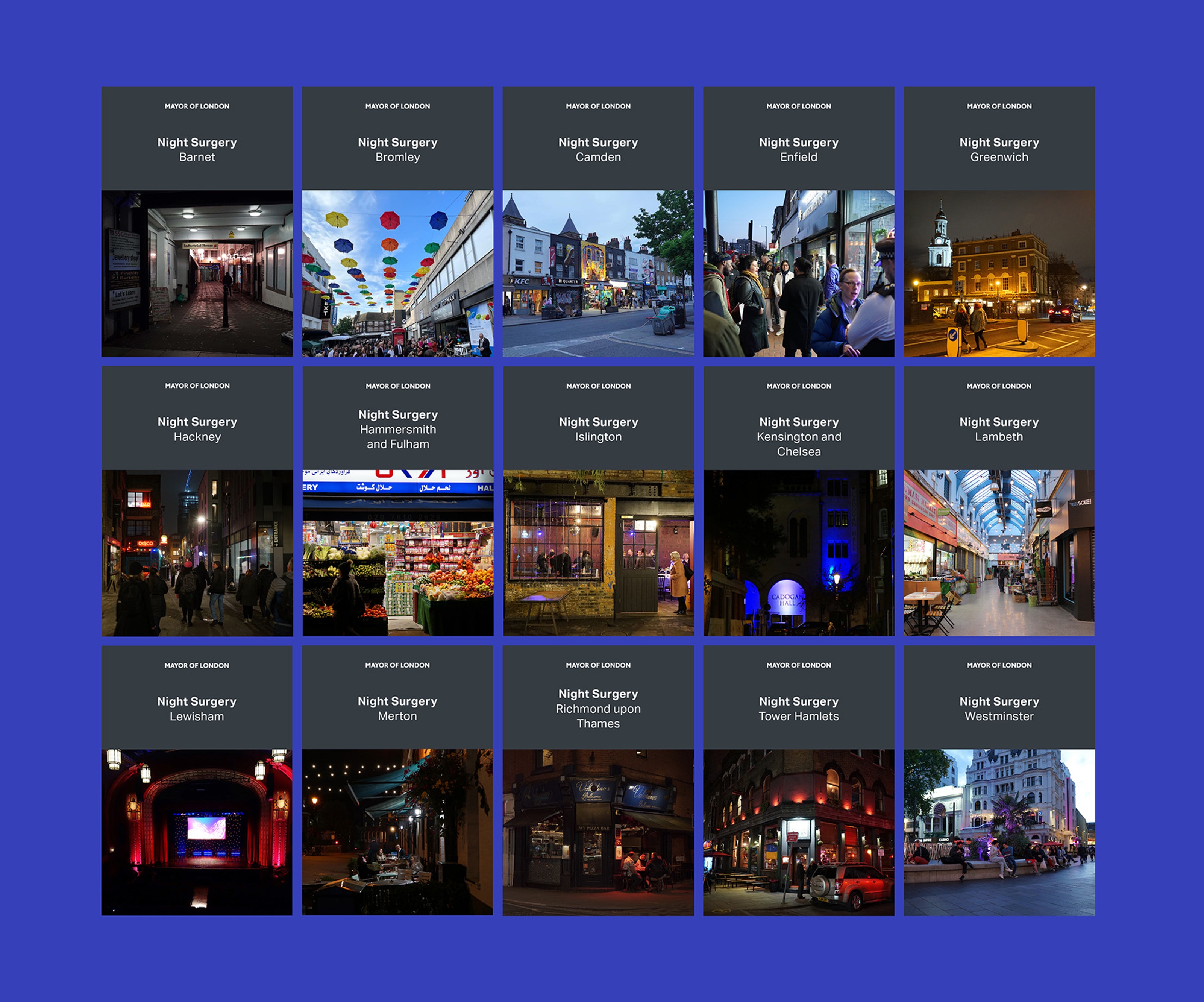
As such, key deliverables include a series of Night Surgeries, which will include focus group workshops, training sessions, site and venue visits, and night walks – together providing specific guidance, ideas, training and support to address the issues highlighted by stakeholders.

Lockdown stripped us of the activities that make London so attractive and culturally rich, and it seriously impacted livelihoods, with jobs and venues alike lost. It also highlighted the crucial role that night workers play in our city. Actively planning for and promoting a varied and sustainable evening and night life has never been more important.

Satu Streatfield, Associate Director of Night-time and Lighting, Publica