The Case for a River Thames Cultural Vision

Putting the Thames back at the centre of London’s cultural story

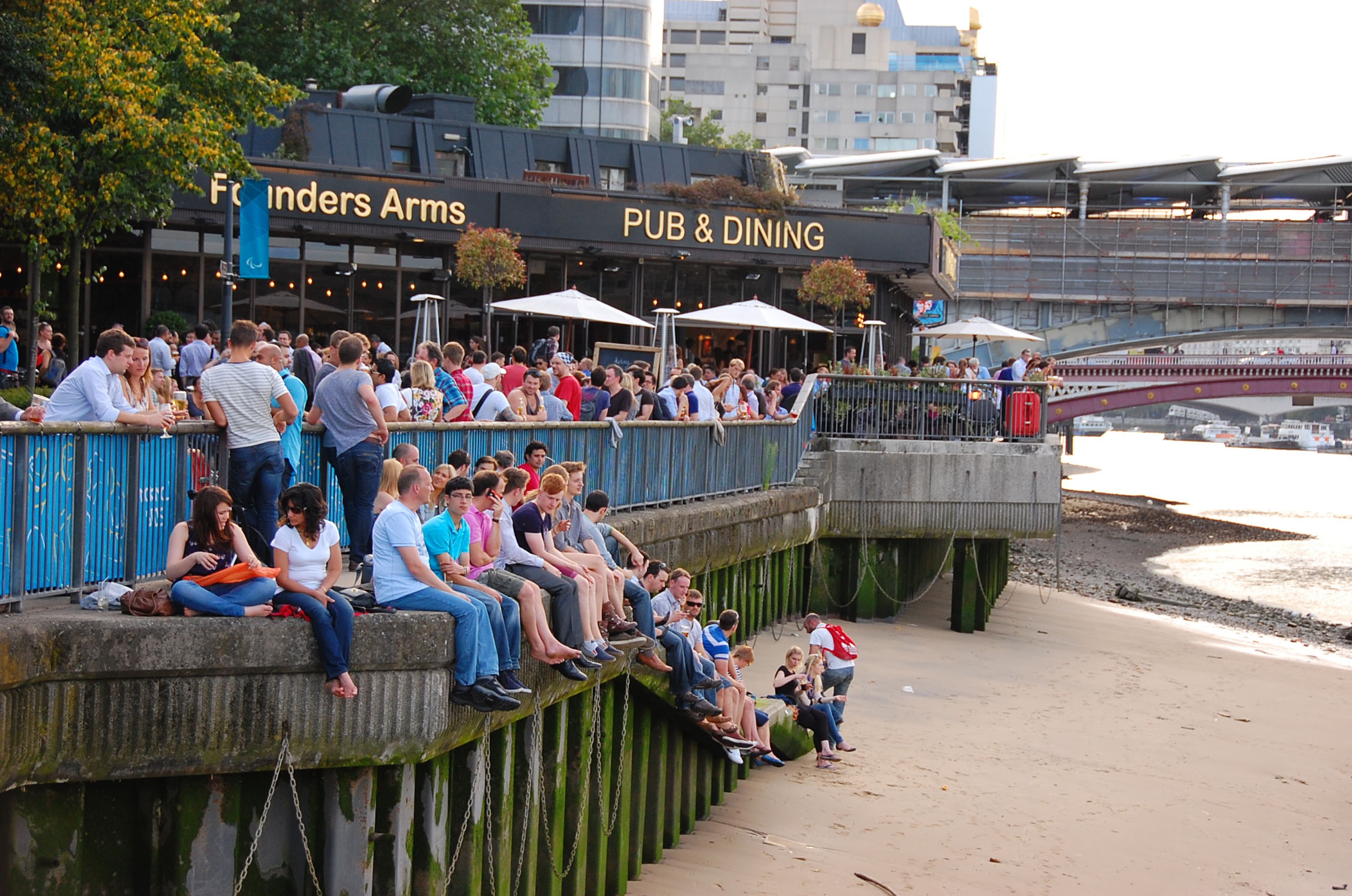
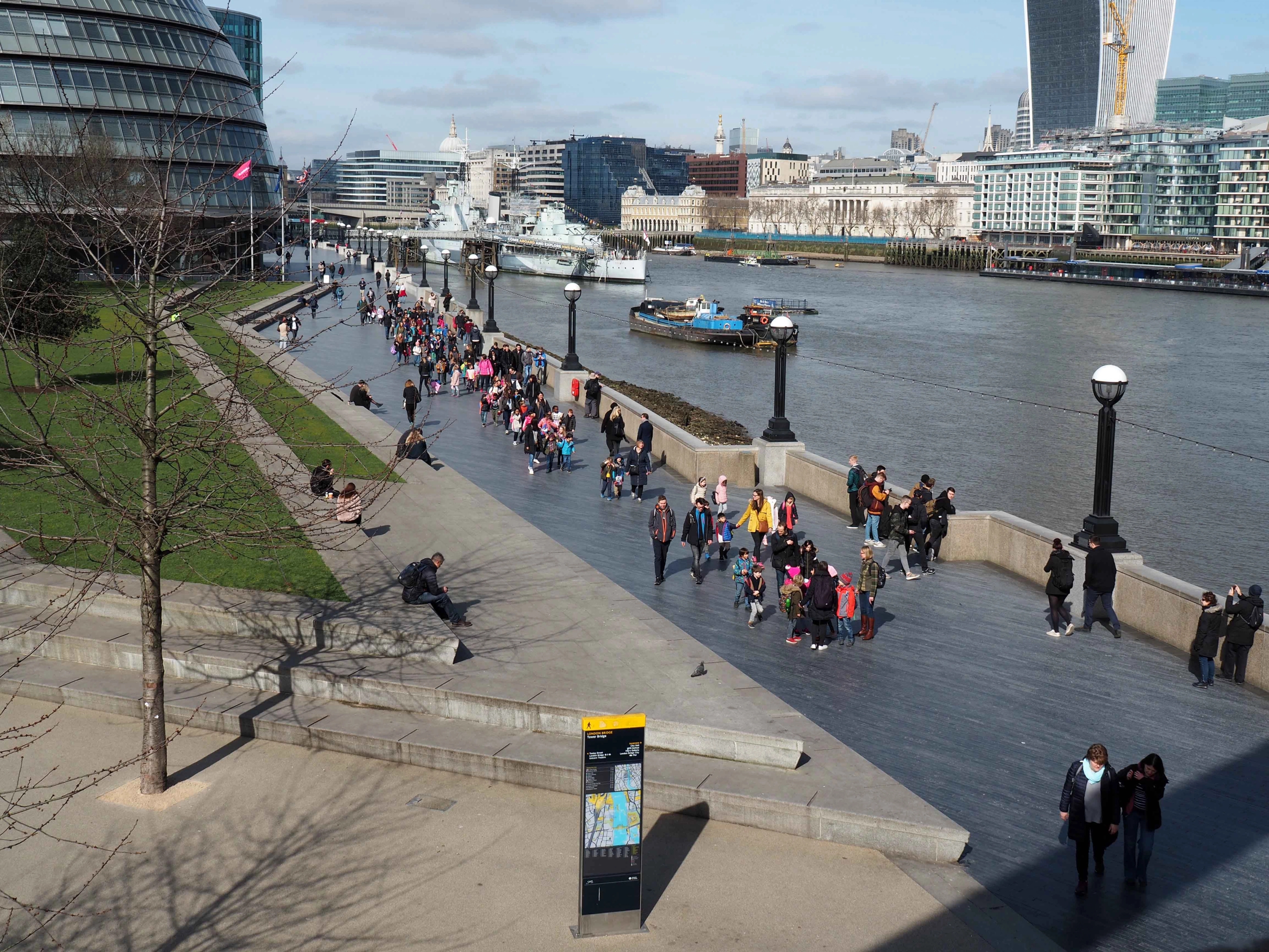
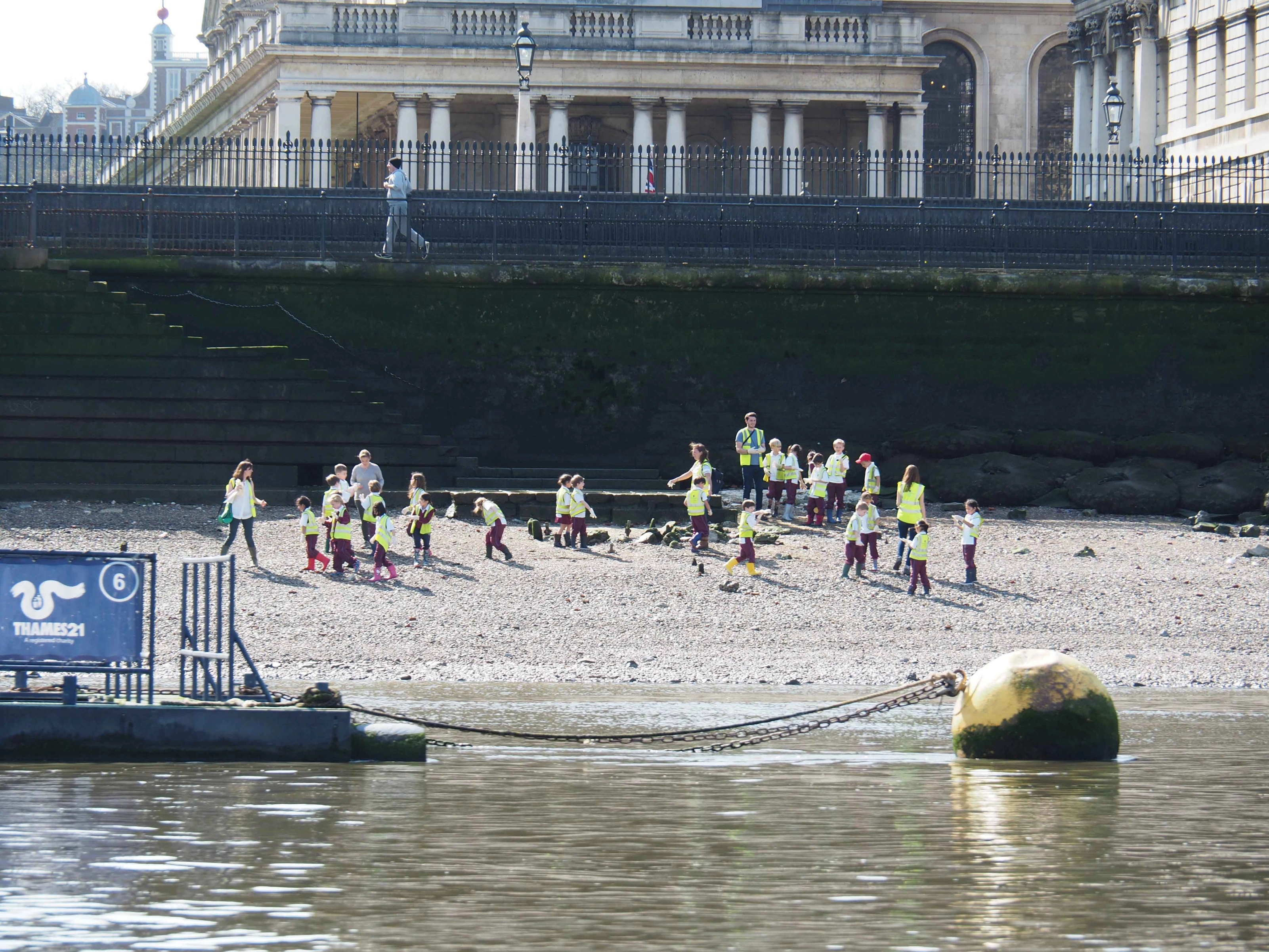
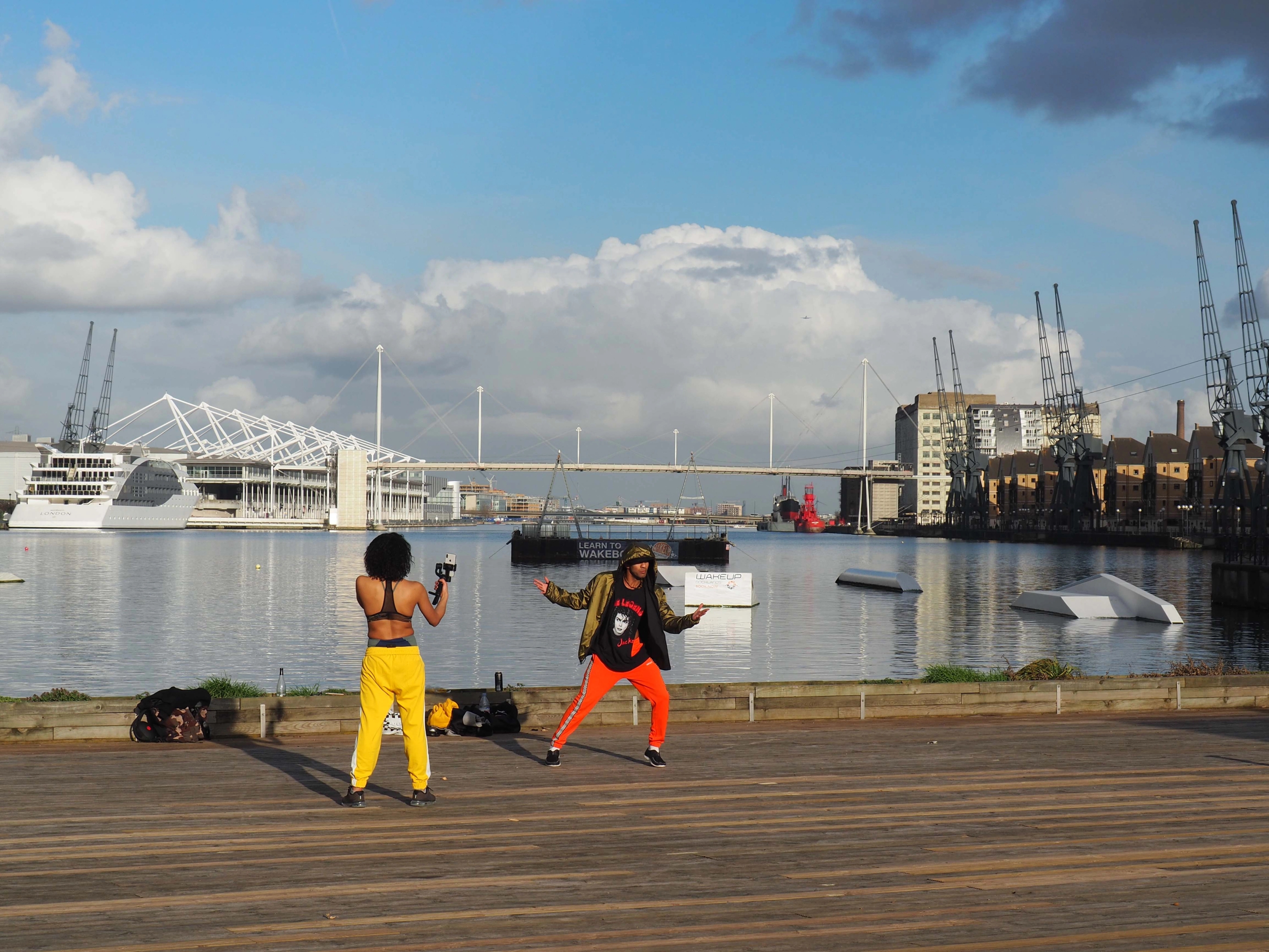
The River Thames has shaped London – geographically, culturally and economically, dividing the north and south, defining the picturesque western reaches to the industrial east. It’s the only river in the world to connect four UNESCO World Heritage Sites; it transports millions of passengers each year and is home to over 125 fish species. However, its potential to enrich the capital’s cultural life remains largely untapped. Could the river that made the city now transform its cultural life again?

The Greater London Authority (GLA) and the Port of London Authority (PLA) commissioned Publica with BOP Consulting to explore the case for a future River Thames Cultural Vision and to propose an expansive definition of culture for all.
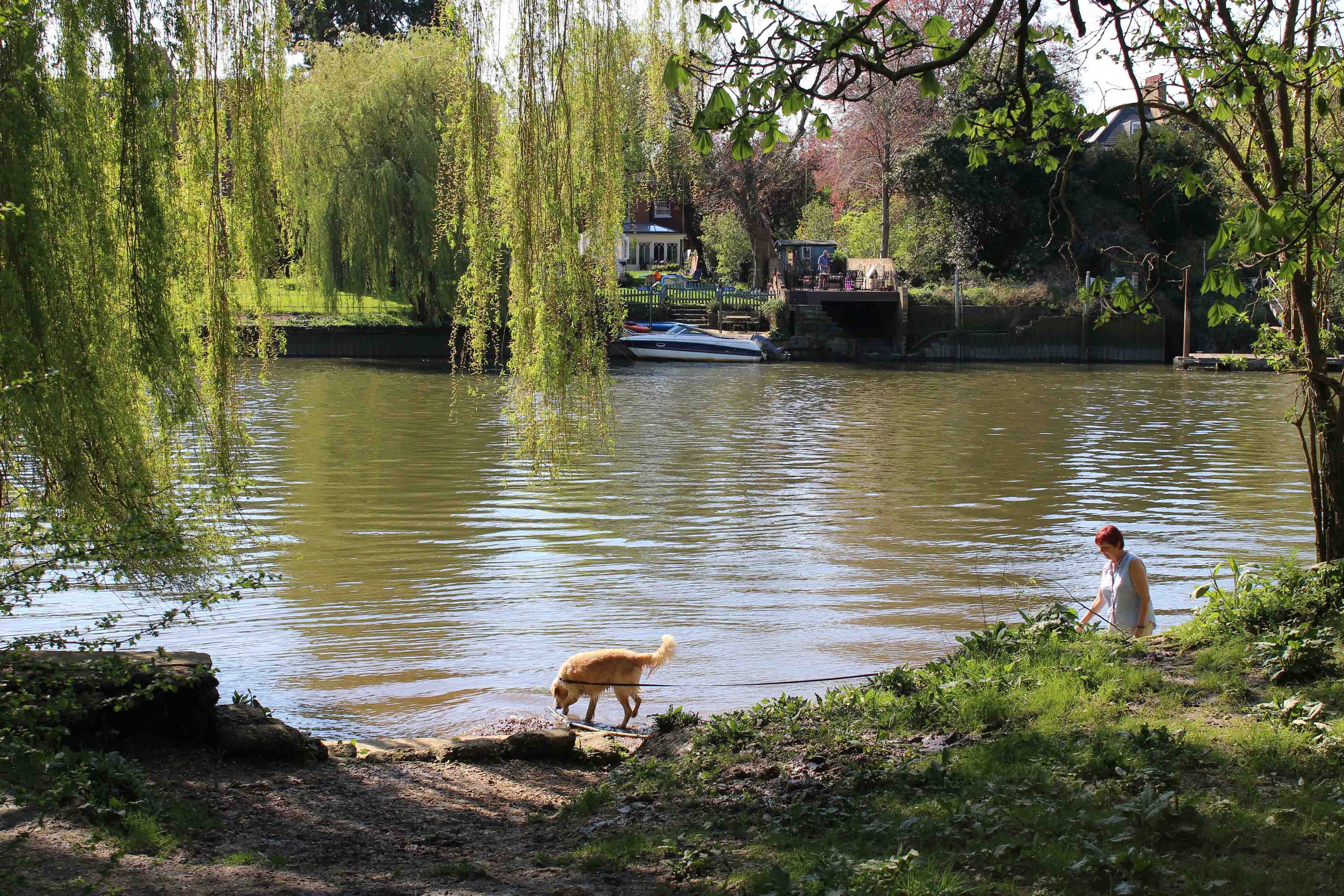
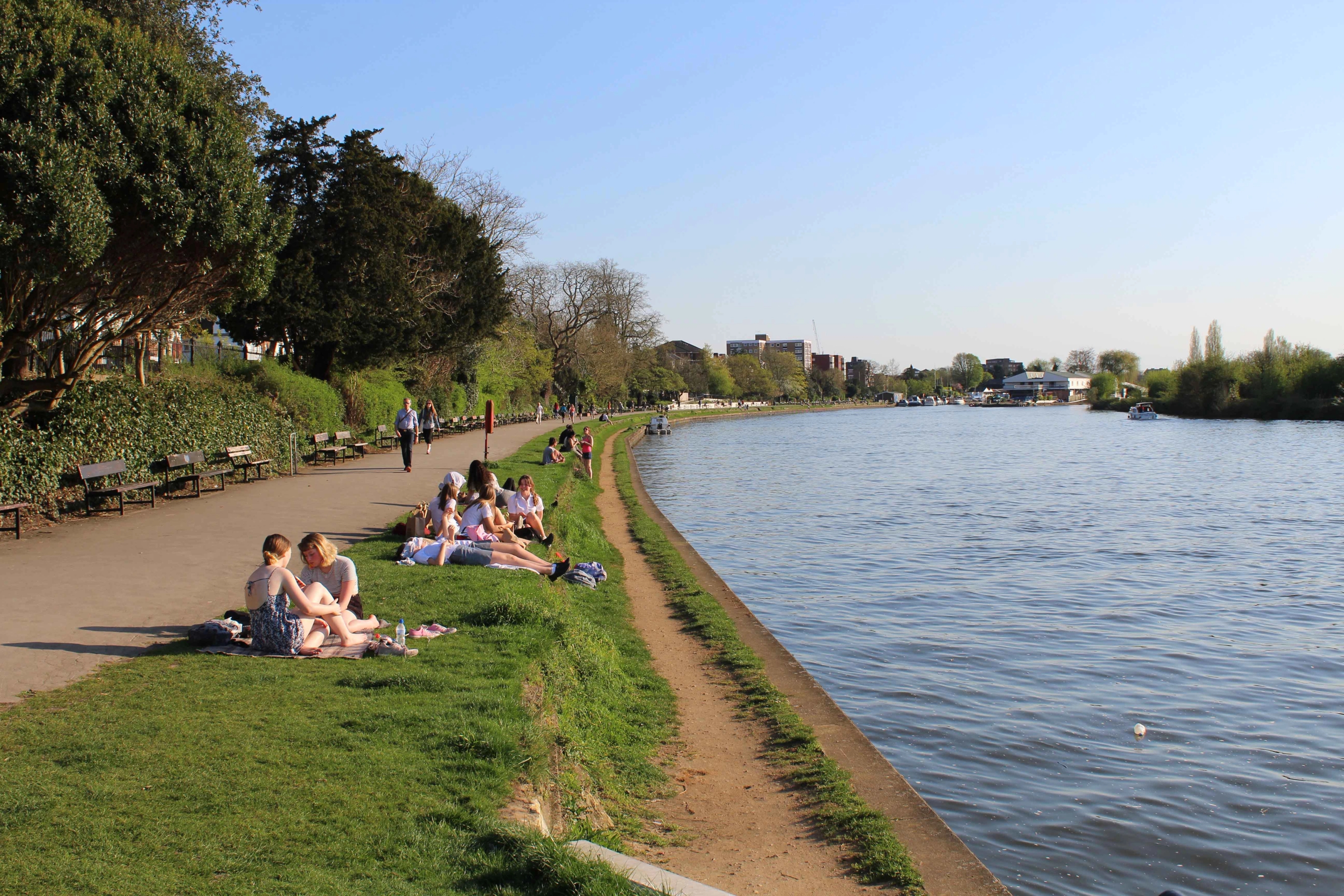
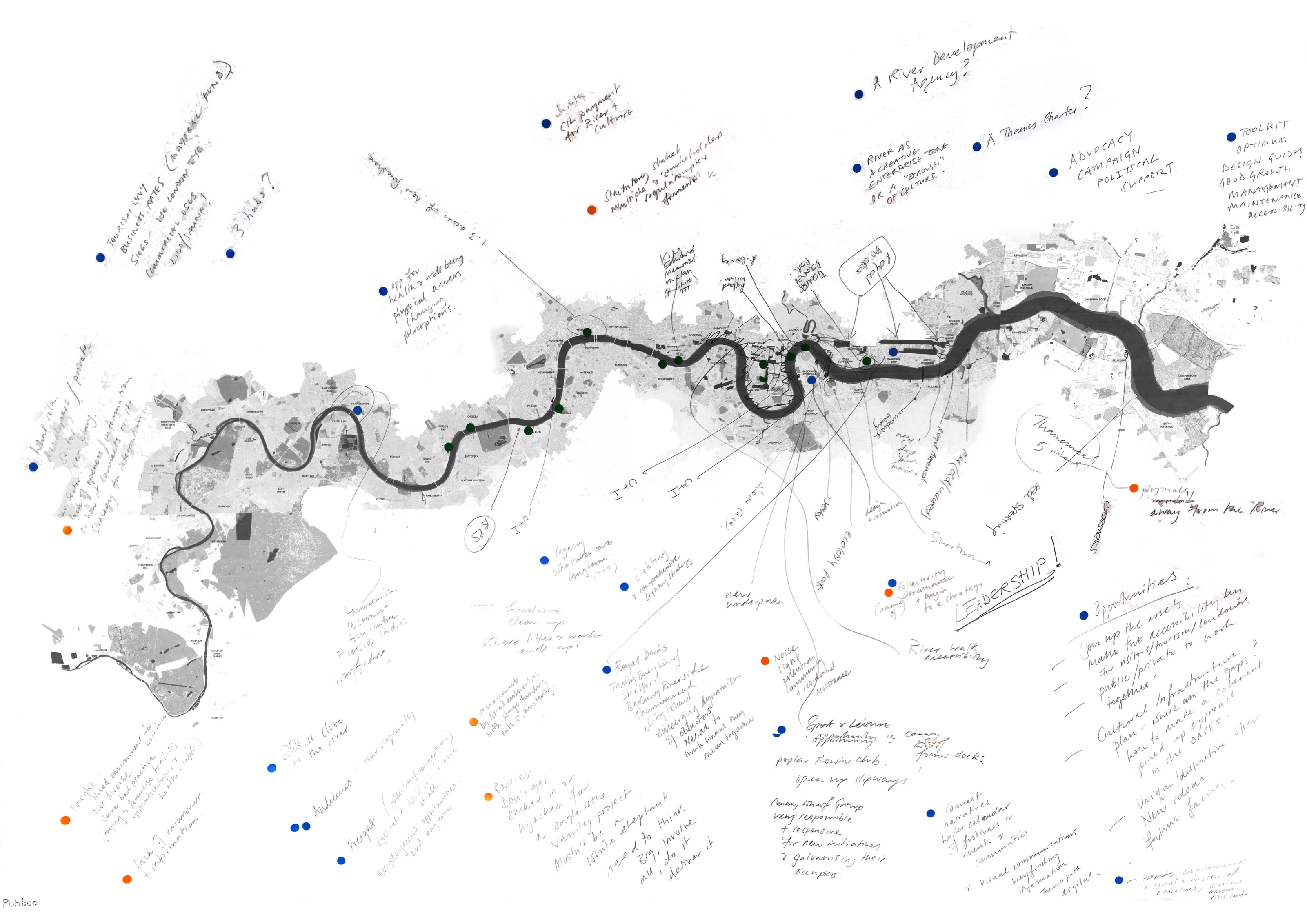
A journey along the Thames

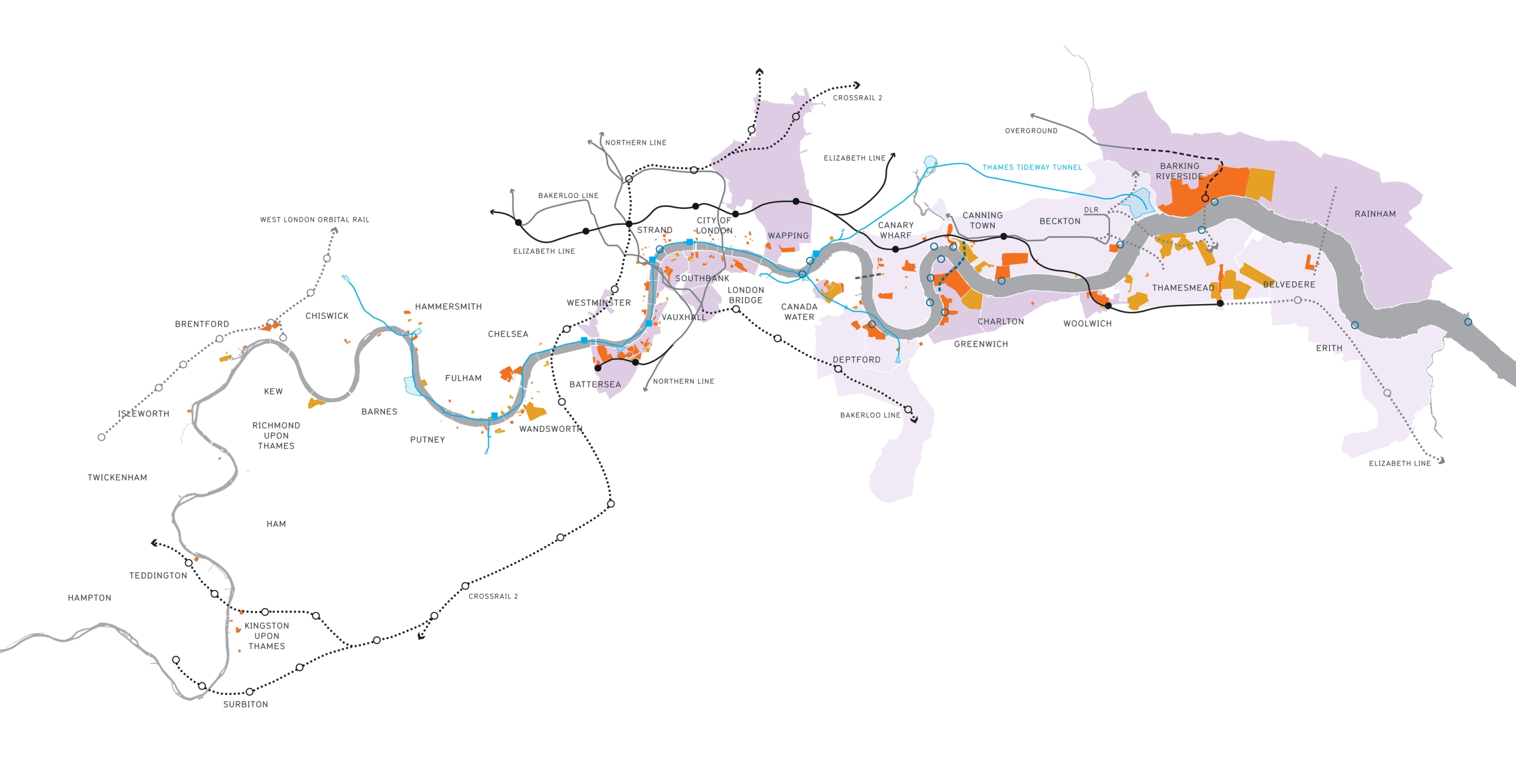
The Vision aligns and strengthens existing cultural policies from the GLA and the PLA. For the GLA, the river plays a central role in the east’s cultural regeneration, with the Cultural Infrastructure Plan and the draft new London plan embedding culture into the fabric of the city. Meanwhile, the PLA’s 20-year Vision for the Tidal Thames sets ambitious targets for increased economic, environmental and social engagement. A unified cultural vision for the Thames can help deliver both agendas – connecting more people to the river, deepening appreciation of its rich cultural heritage, and establishing it as a year-round destination by day and night.

The report forms the first phase of a multi-stage process and partnership for delivering a world-class vision, supported by Justine Simons, Deputy Mayor for Culture and Christopher Rodrigues, Chairman, Port of London Authority.

Cultural Infastructure

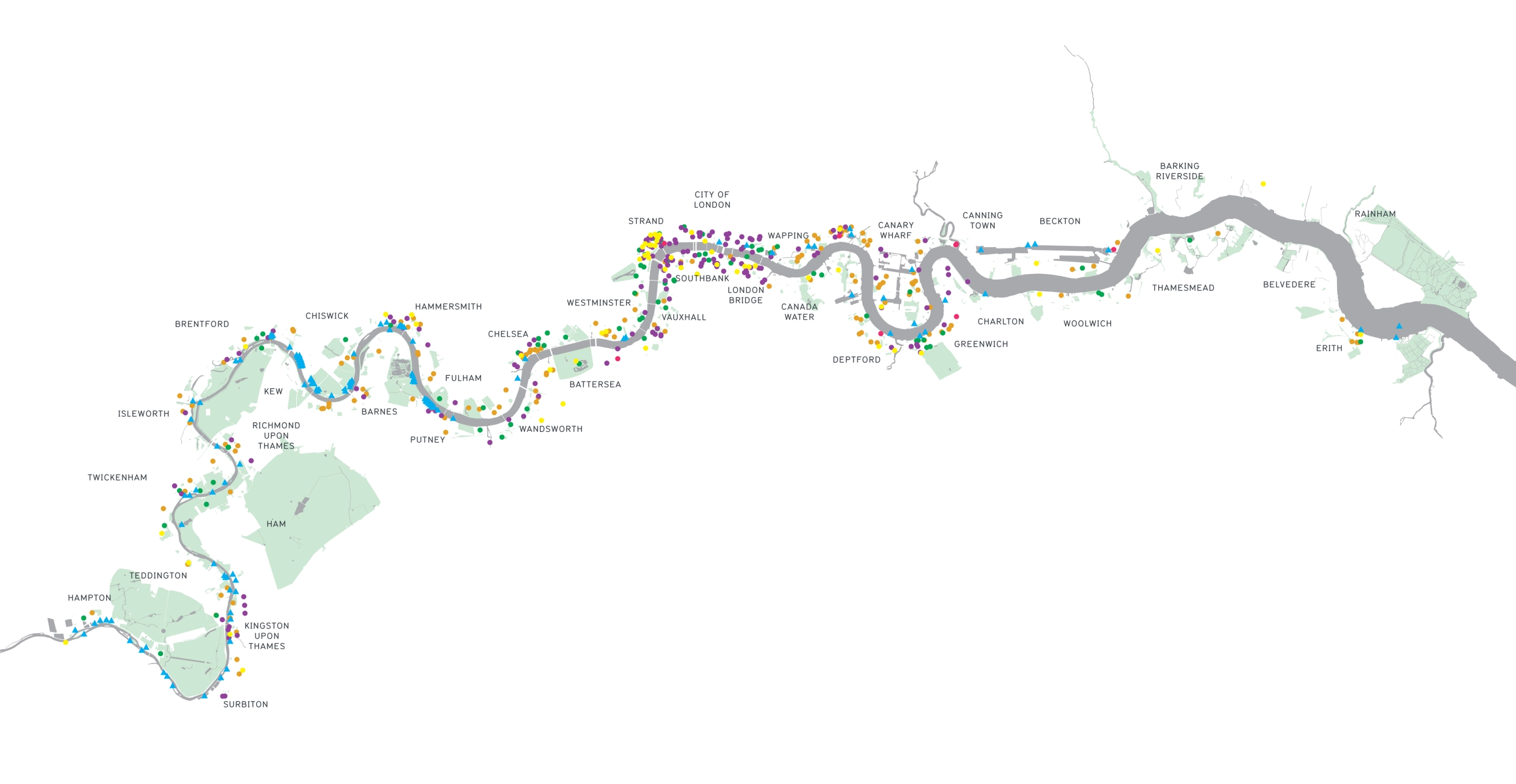
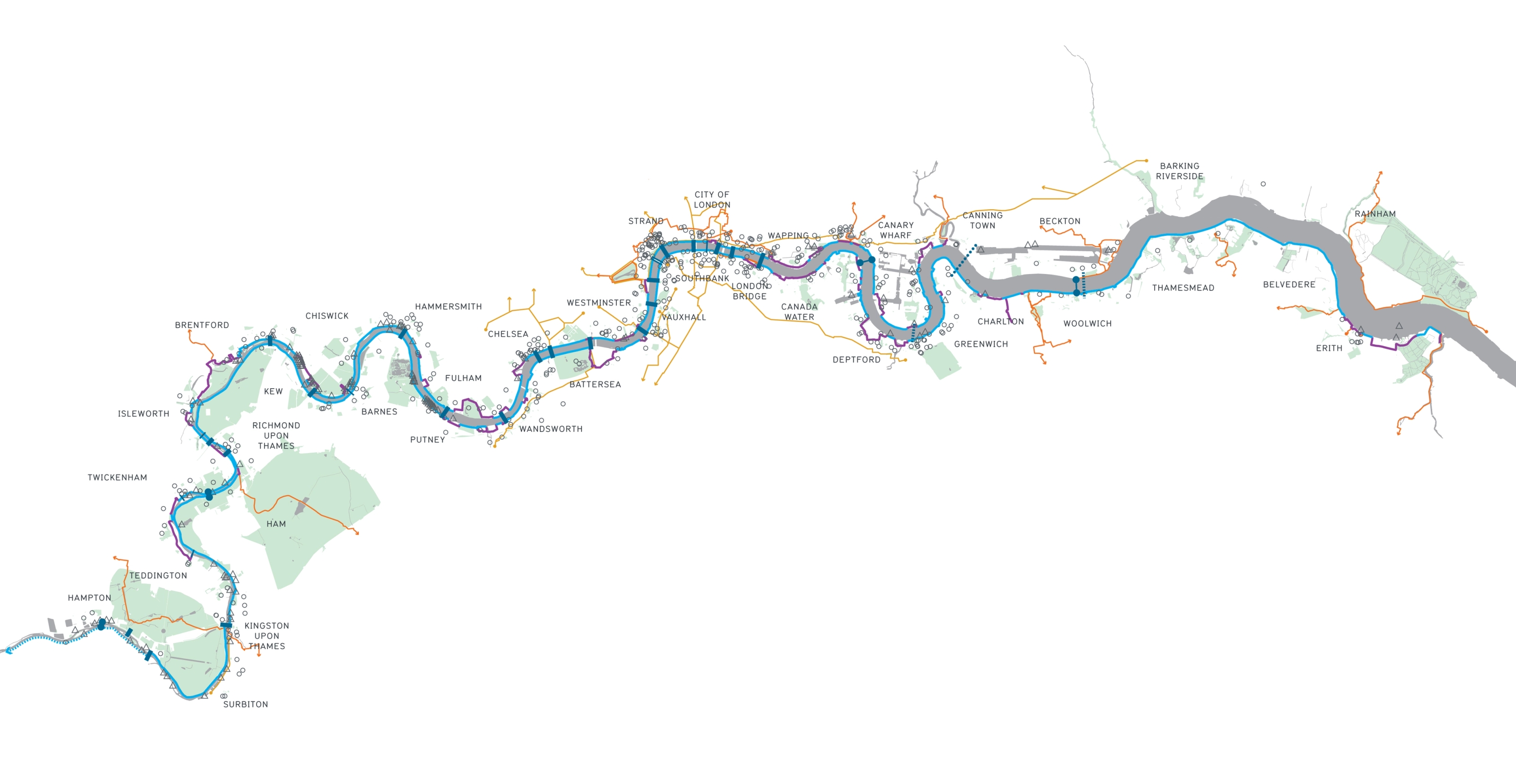
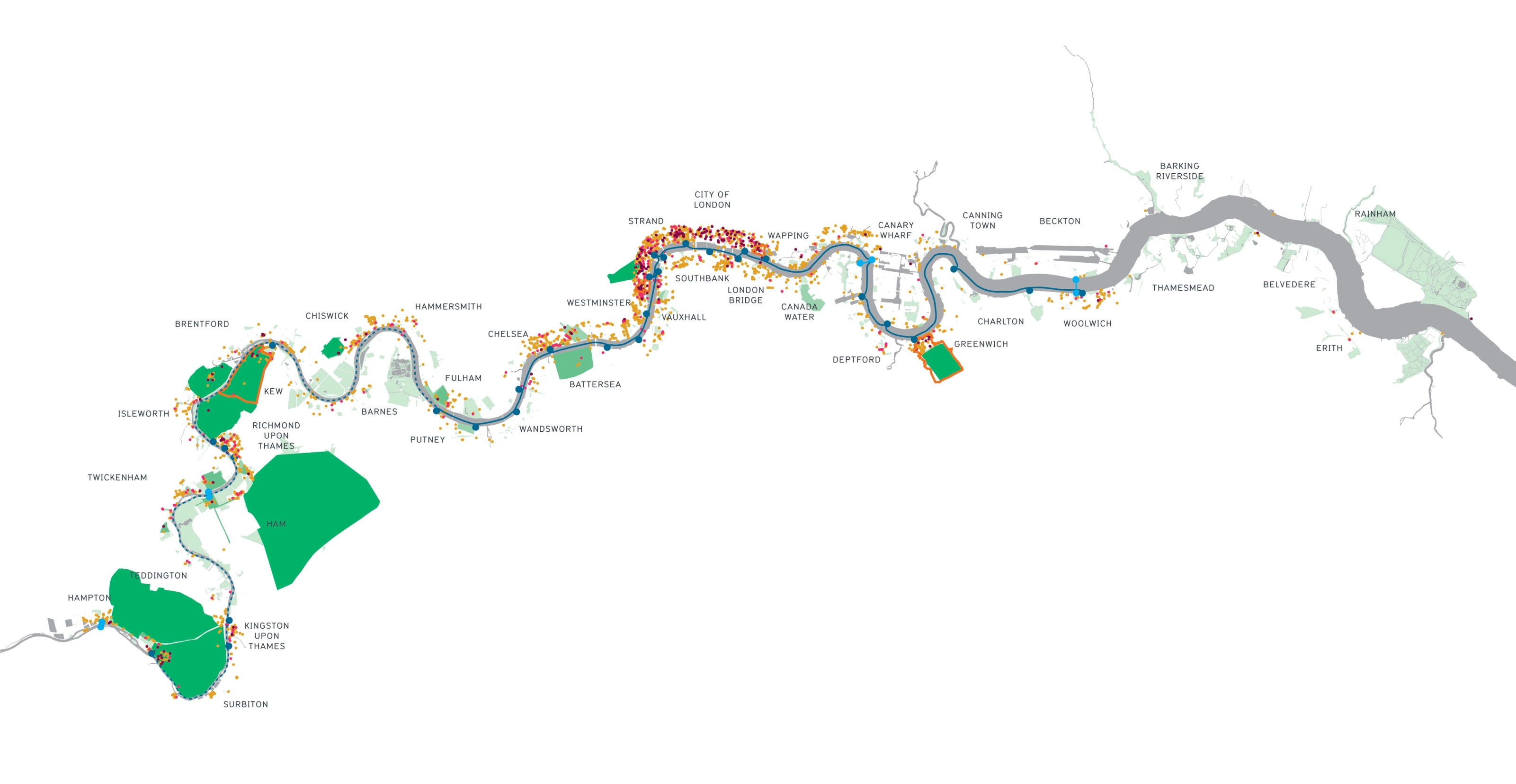
The team mapped the full length of the Thames in London and facilitated workshops with 98 participants from 69 organisations to explore a long-term cultural vision. Sessions covered communities, culture, development, environment, transport, history and night life and garnered overwhelming stakeholder support.

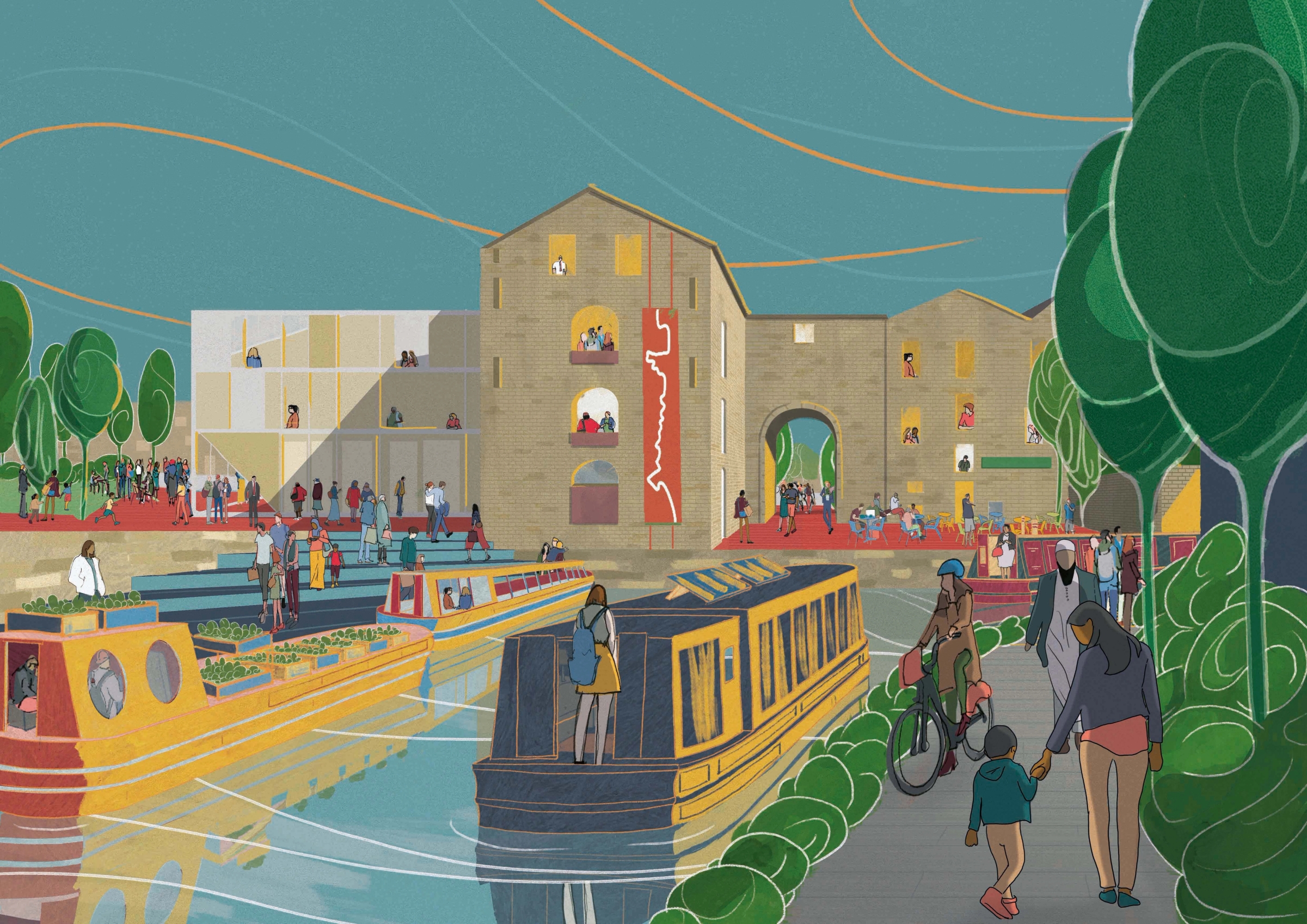
Publica’s research shows that despite its international profile, the Thames is far from reaching its full potential. This is particularly striking when compared with other river cities internationally, such as Paris, Amsterdam and Berlin. In these cities the rivers have been embraced as an integral part of cultural life and have become key destinations offering urban beaches and riverside culture throughout the year.

The vision identifies ten key opportunities that could drive significant economic, environmental and social change, support London’s cultural tourism offer, enrich its evening and night time economy, improve public transport, connect its diverse communities with each other and the river – and, most importantly, place the River Thames back in the heart of London’s culture.