“The contrast of old and new, the accumulated concentration of the most significant elements of the various periods gone by, even if they are only fragmentary reminders of them, will in time produce a landscape whose depth no one period can equal.”
—Kevin Lynch,
What Time is this Place?
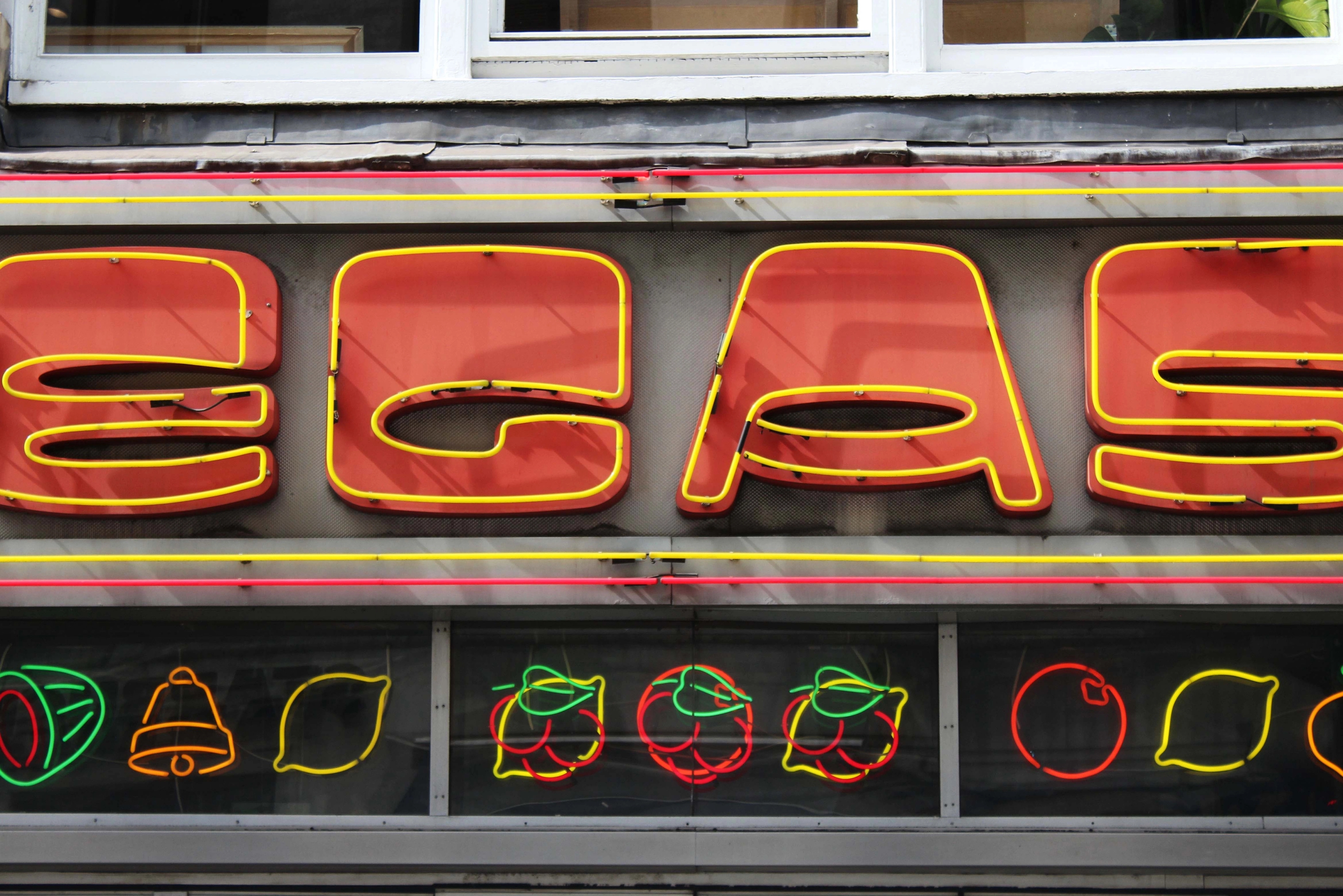
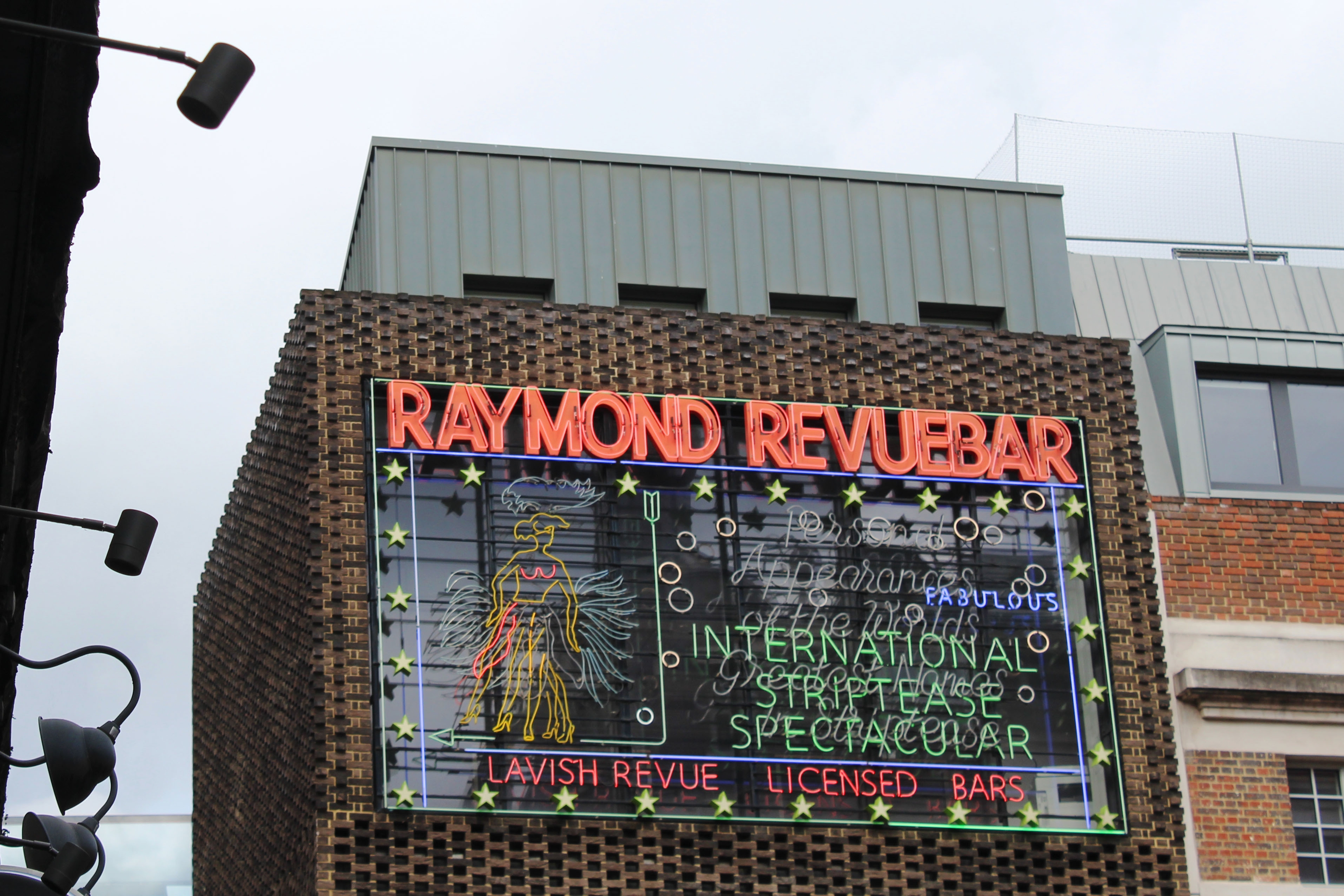
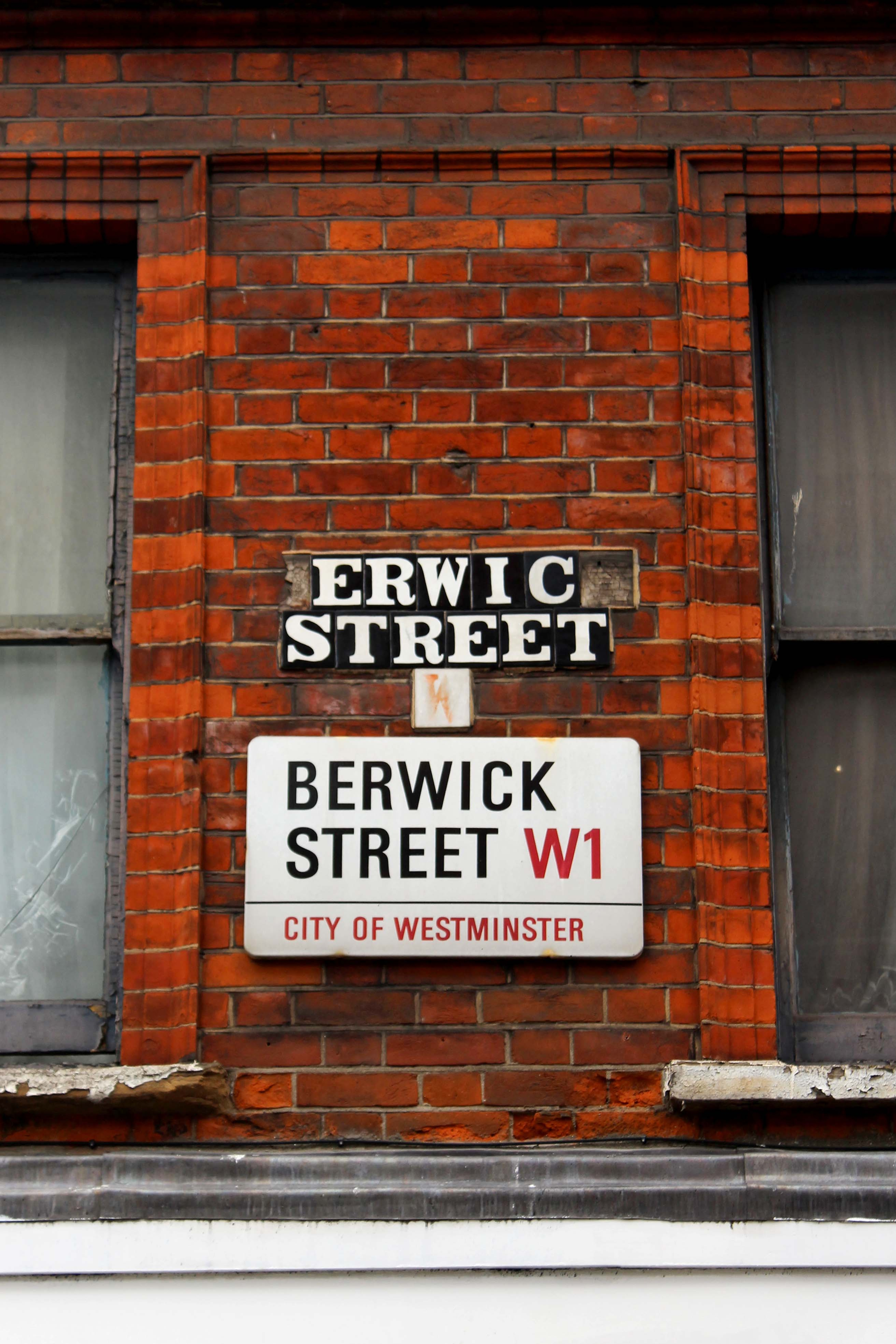
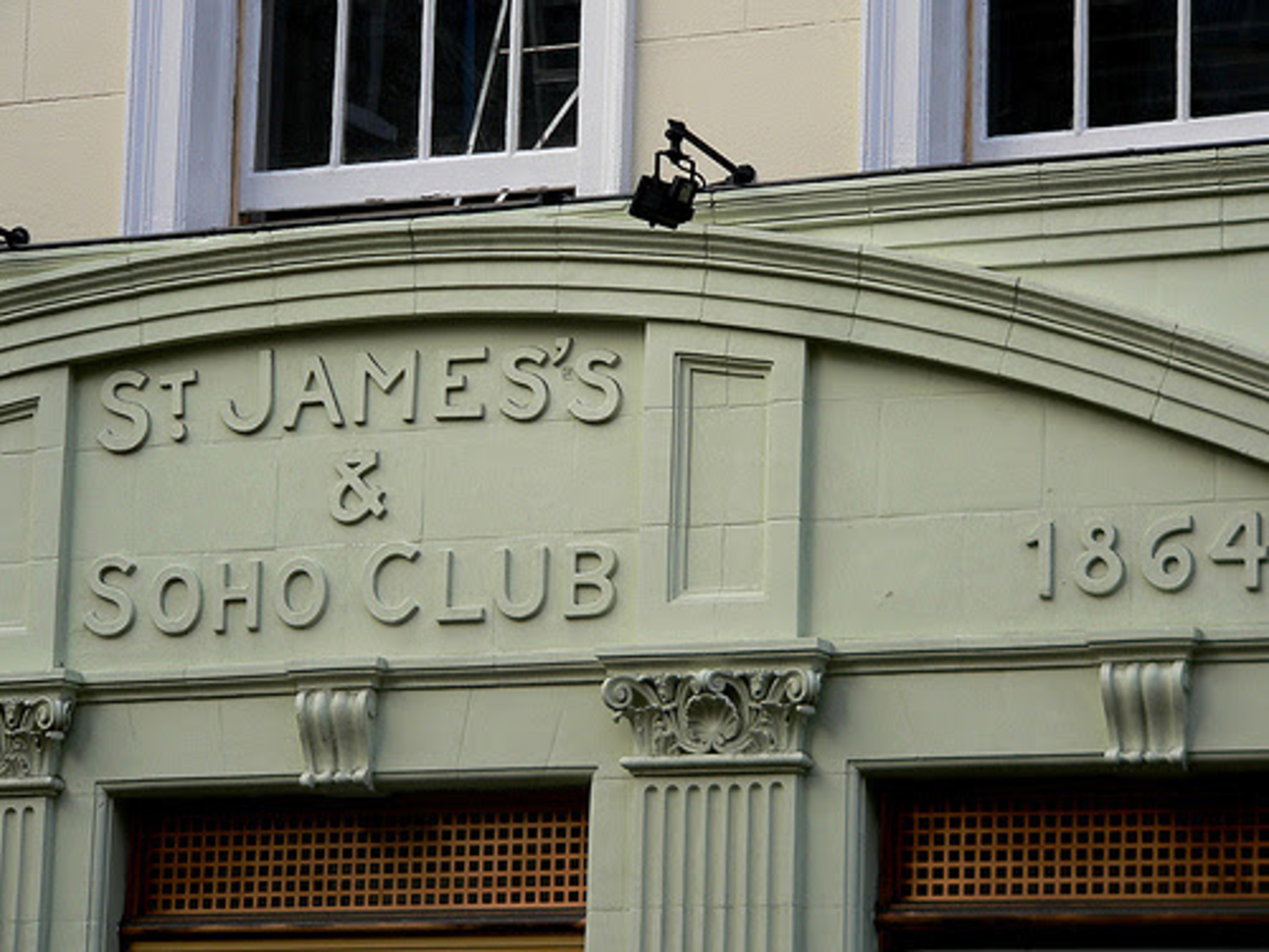
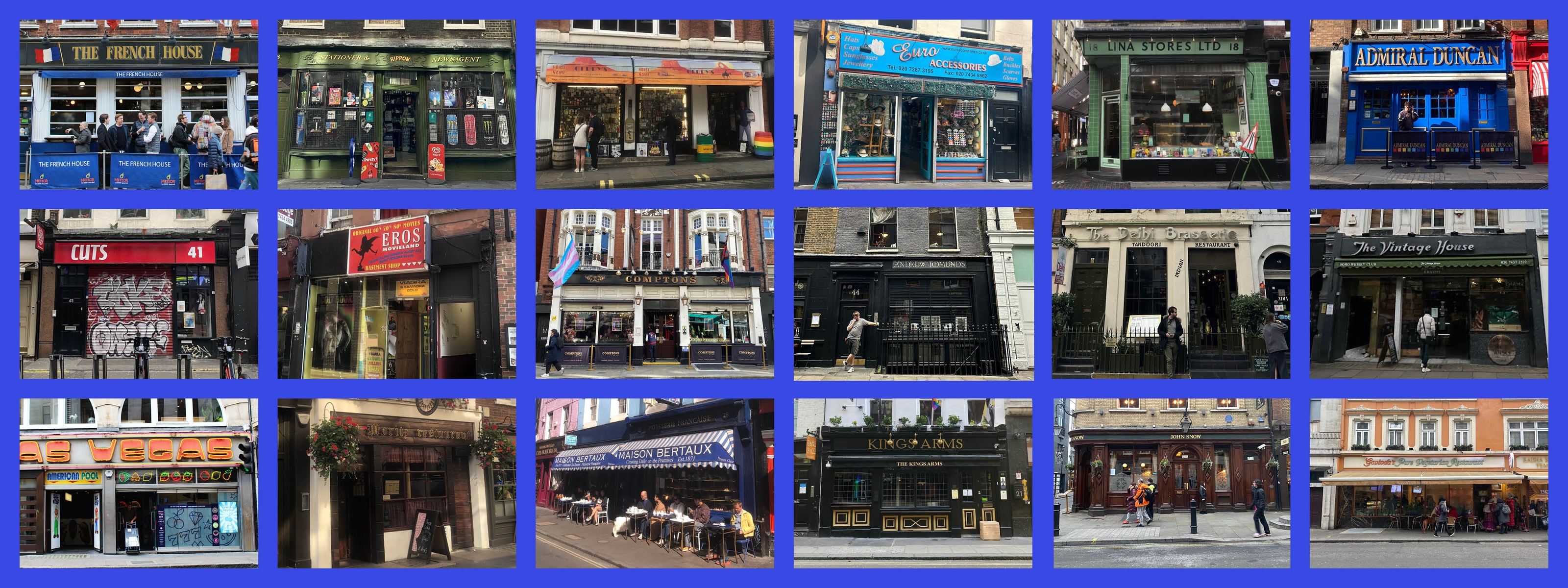
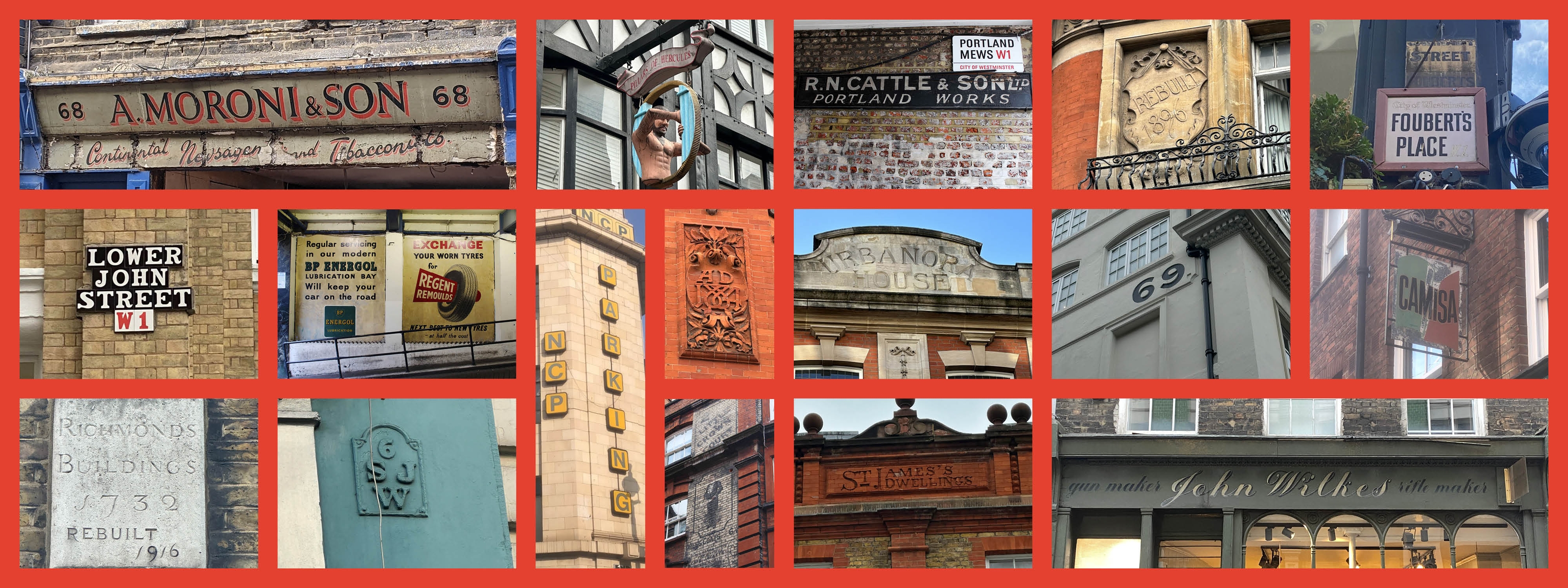
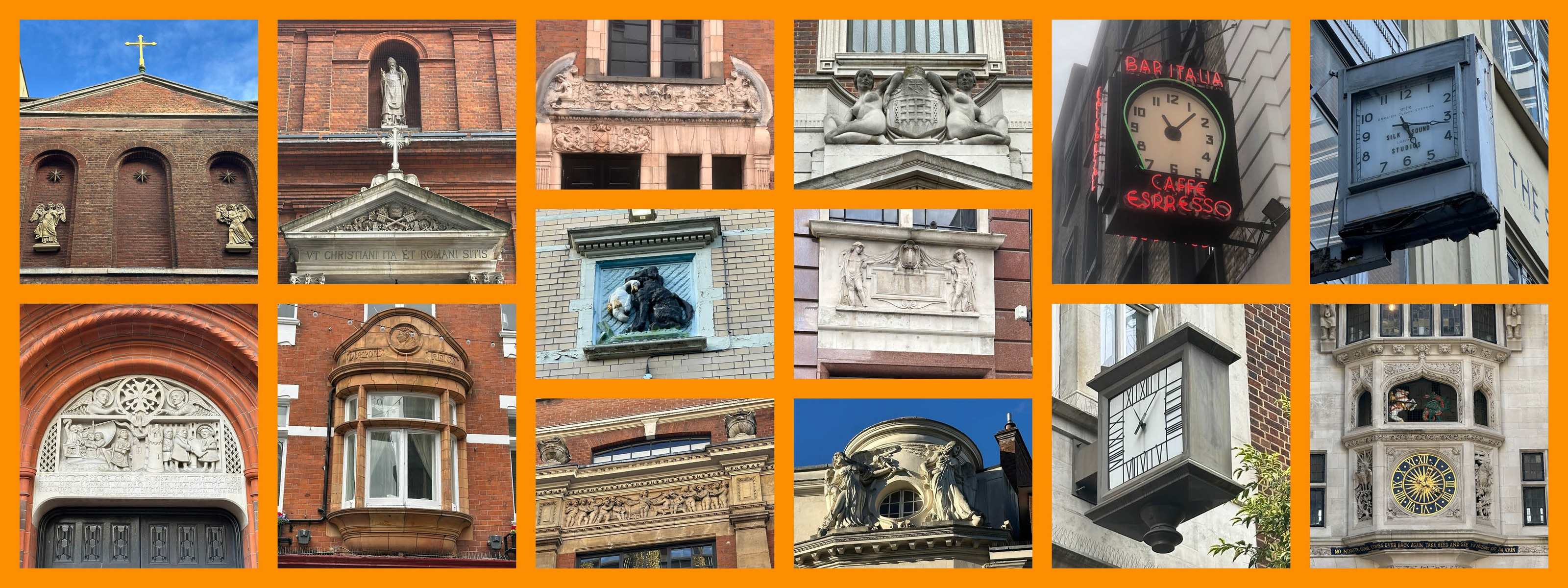
Soho has a unique visual landscape, thanks to the combination of neon signs, eighteenth century pubs, small and independent businesses, ghost signage and remnants of its industrial past. To record the visual assets that define Soho’s renowned character, Publica and urban design professor Bahar Durmaz-Drinkwater undertook a street heritage audit for The Soho Neighbourhood Forum, with financial support from the neighbourhood Community Infrastructure Levy.
Since the project’s inception in September 2024, the locations and historic details of almost 700 heritage assets have been catalogued. The results of the audit are now complete and freely accessible to the public through an online interactive map, available on the Soho Neighbourhood Forum’s website. Additionally, a database of intangible heritage assets, compiled using records from The London Archives, is available to view online.
The map and database aim to raise the appreciation of Soho’s distinct identity, amidst growing concerns over the loss of heritage assets as the area’s visual landscape evolves. The resources will assist Westminster City Council in future planning decisions, support local business owners as a rich source of inspiration and historical data to encourage the reuse, refurbishment, and celebration of heritage assets, and offer valuable insight to developers looking to better understand the history of potential development sites.
With the collective knowledge of the Soho community, the audit will help ensure that the historic built fabric of Soho can be celebrated for years to come.