City of London Cultural Planning Framework

Creating a vibrant, 7-day-a-week destination

The City of London is a global financial capital, a tourist destination, and the birthplace of modern London. Over recent years, changing work patterns have put increasing pressure on the City’s commercial offer to evolve and diversify to remain a relevant and vital part of London.

City of London Corporation appointed Publica and TJ Culture to create a Cultural Planning Framework (CPF) to define and control cultural provision in new major developments. It supports cross-departmental cultural delivery across the Square Mile through the City’s planning system, forming part of the evidence base for the City Plan 2040. While the CPF is not a cultural strategy itself, it may contribute to one in the future.
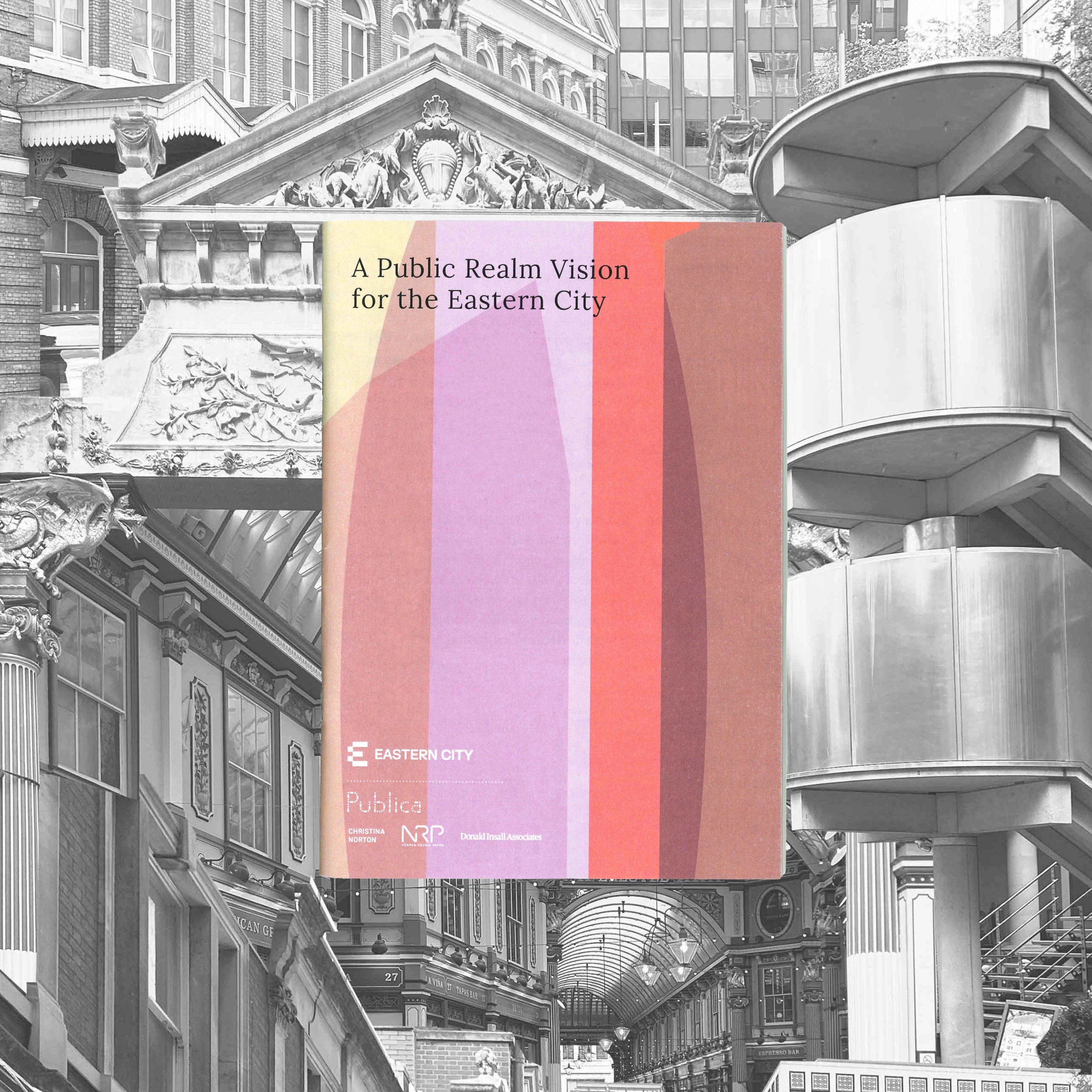
Defining a cultural ecosystem

The strategy provides a researched spatial, cultural framework; guidance to planning officers about what is required from the process, including Culture and Vibrancy Plans and financial contributions; clarity and good practice guidance to developers; a system for capturing impact and value; and an evidence base and recommendations for new cultural planning guidance.

Publica developed the following components for the CPF:

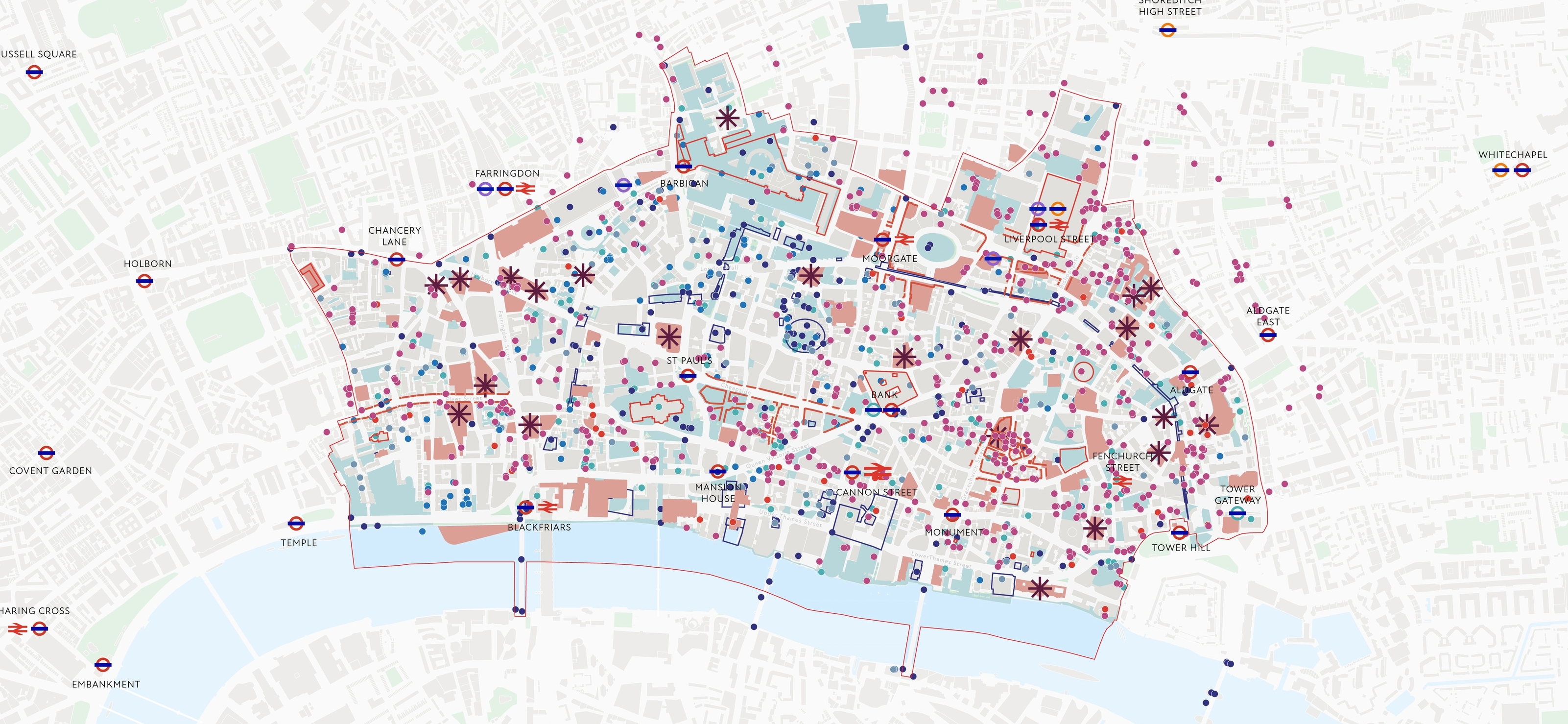
  1. Creation of a digital Cultural Ecosystem Mapping that locates cultural assets and ‘cultural contributors’
  2. Focal Areas and ‘Cultural Character Plans’ for nine diverse neighbourhoods identifying how cultural planning can support the cultural development of each area.
  3. A recommended formula to enable negotiations with developers around cultural contributions to be made within a fair and consistent framework.
  4. Recommendations as to the structure and components of Cultural Plans that the City Corporation will require in the future.
  5. Proposal of a light touch monitoring system to enable measurement and analysis of the impact of cultural planning in the City.
  6. Provision of case studies that demonstrate quality and a directory of links to good practice in cultural planning.
  7. Engagement with developers to strengthen the business case for cultural planning and to ensure that this approach supports industry perceptions of the need to invest in culture to support commercial interests and ESG agendas.

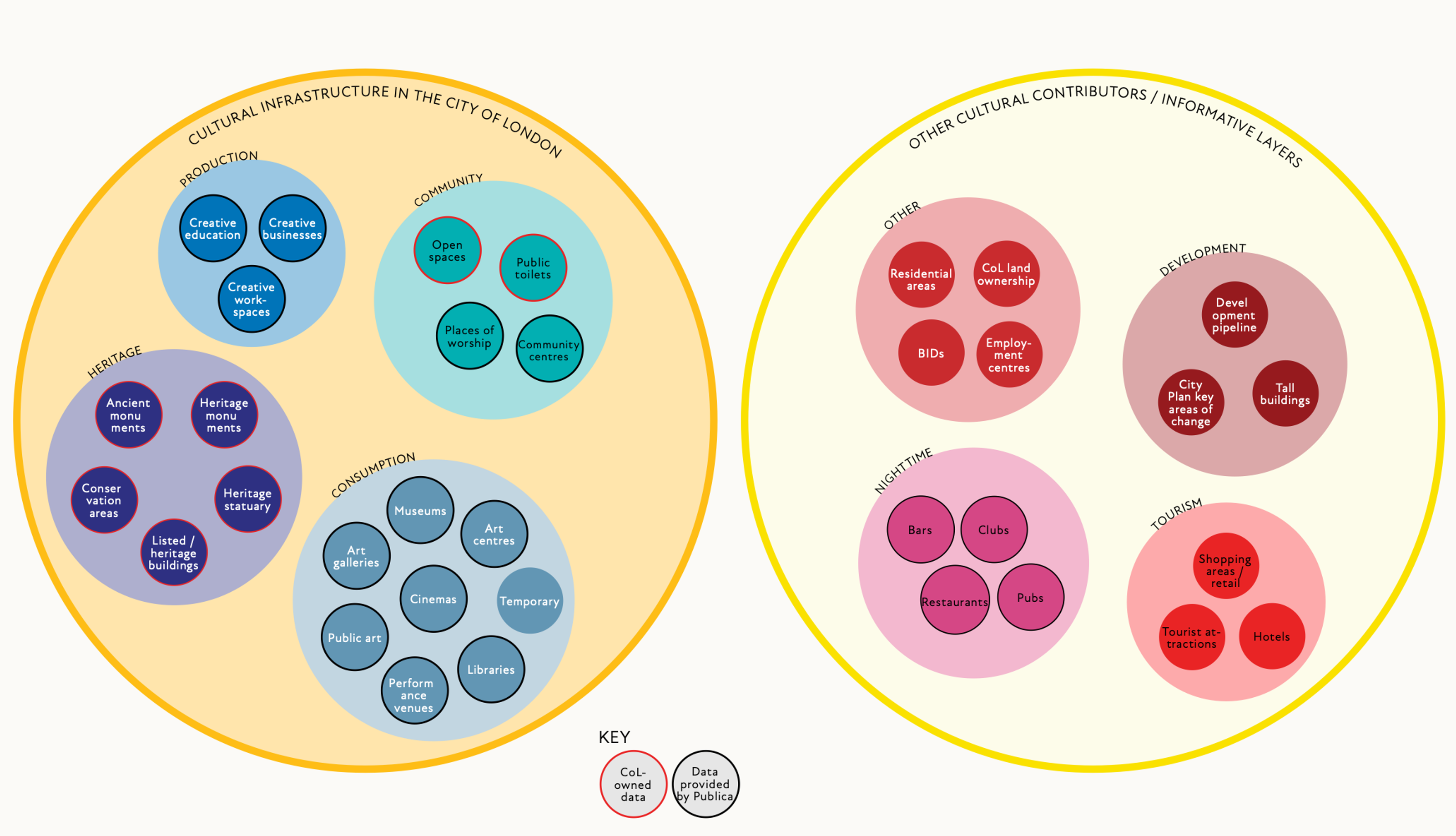
Community spaces | Consumption | Development pipeline | Heritage | Leisure and night time | Production | Tourism |

Creating a balanced ecosystem of cultural uses across the Square Mile will have a tangible effect on creating a sense of place and belonging, and in turn, help development teams establish a unique property and secure tenants. This will shape a diverse, inclusive and lively City, welcoming to every Londoner and visitor, day and night.