Bank Area Enhancement Strategy

Area strategy for the City of London

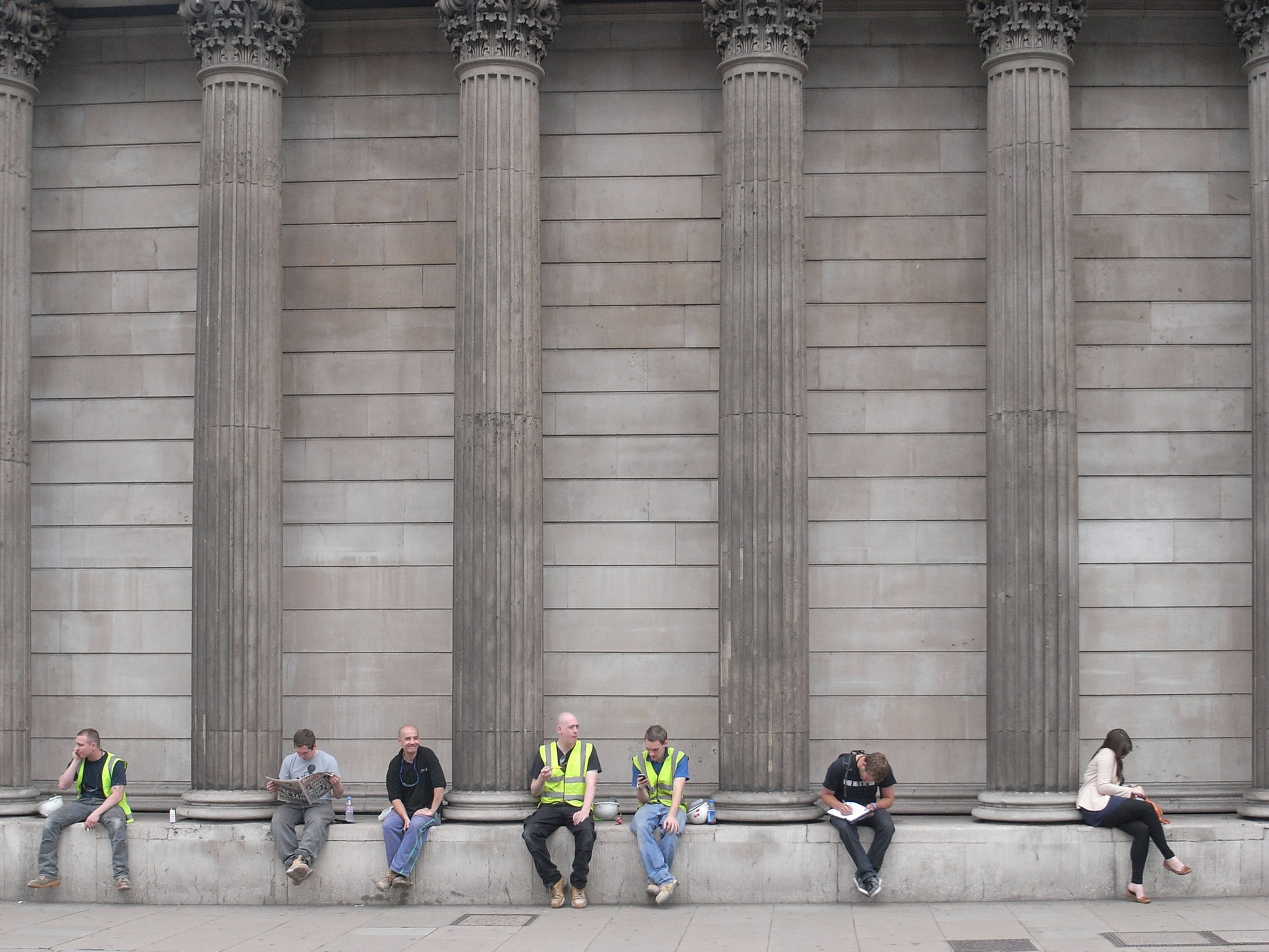
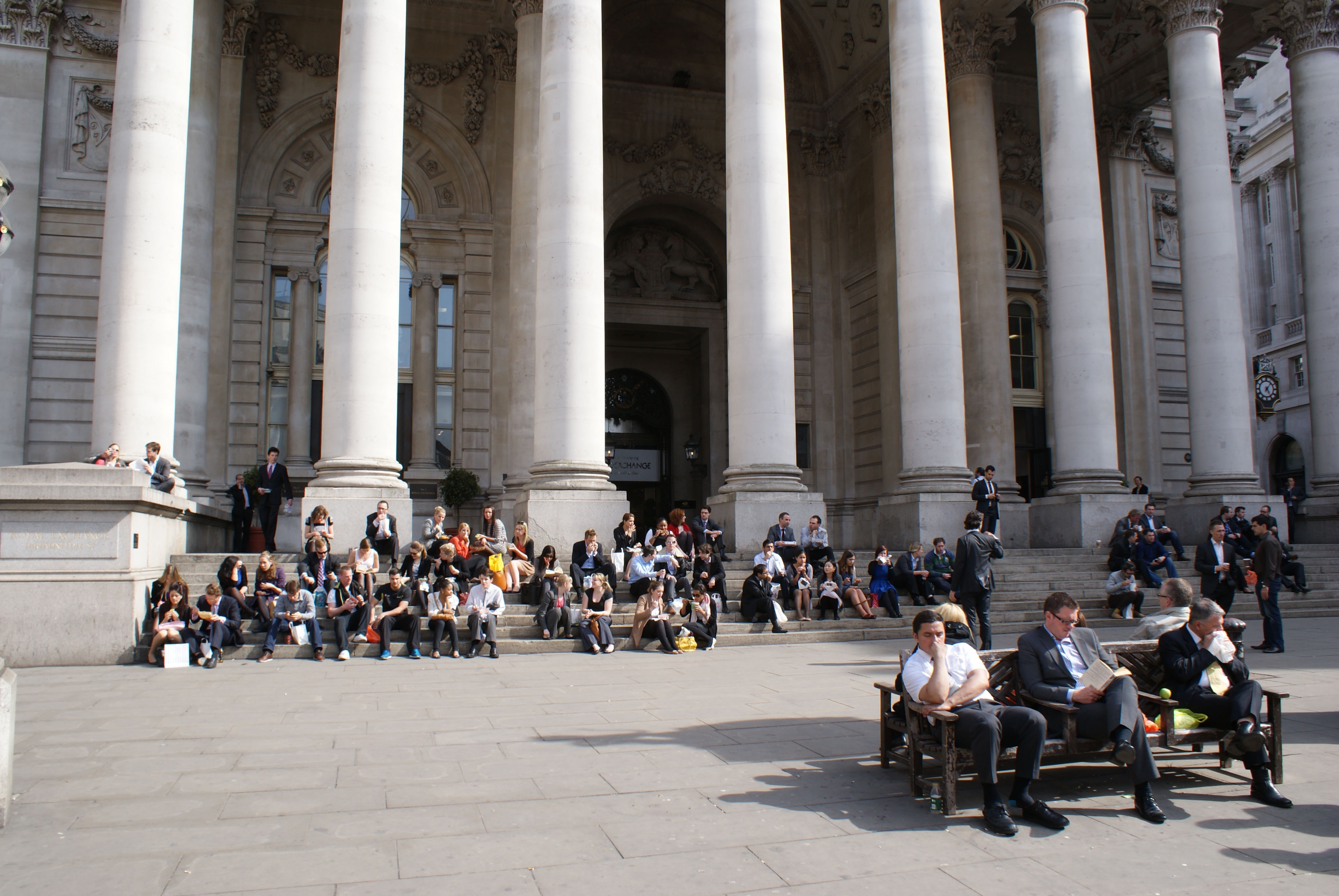
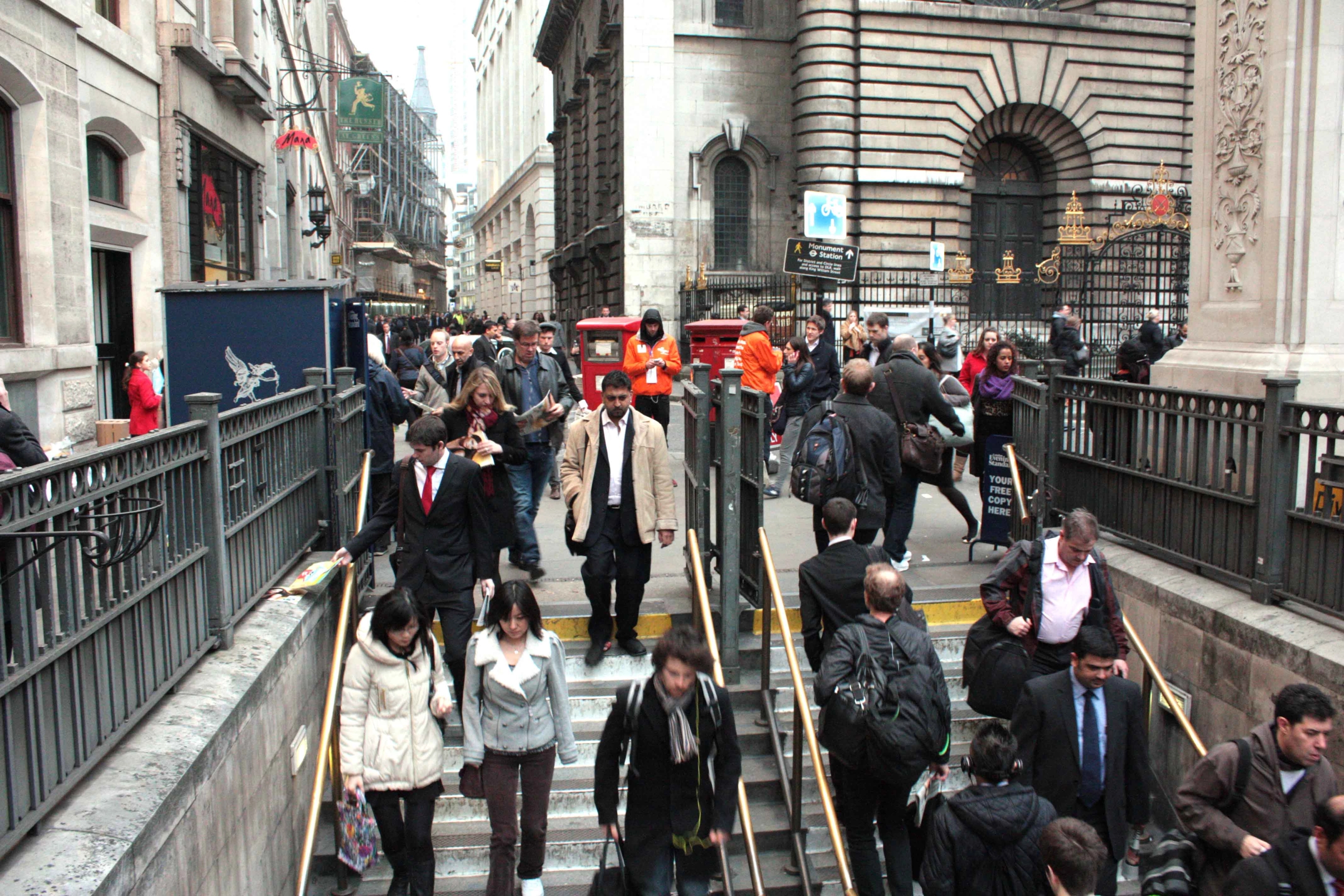
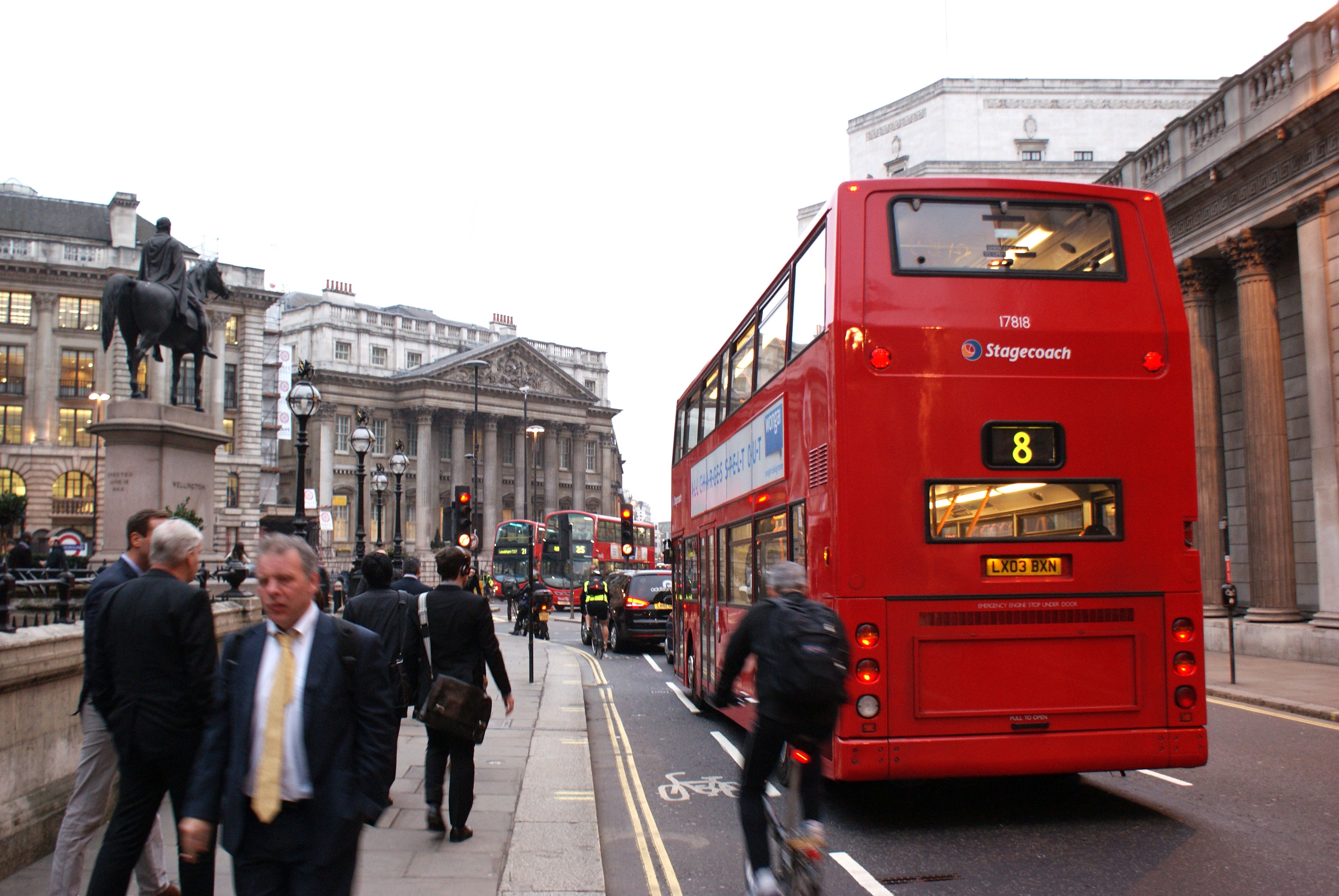
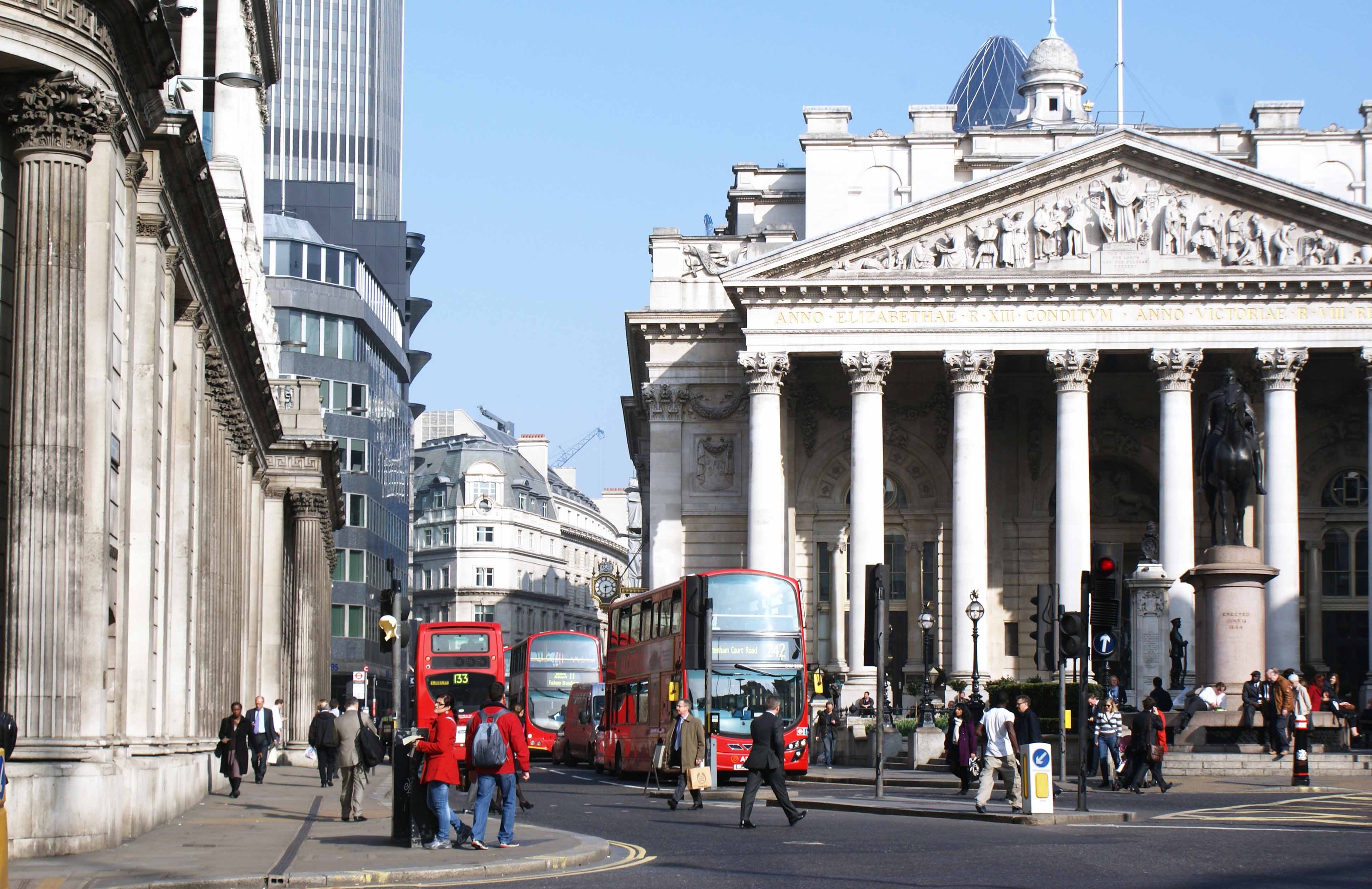
The Bank area sits at the heart of the City of London, established as the historic and contemporary centre of London’s financial and business communities. As a thriving commercial district, it is home to major international banks, insurance firms and global financial establishments, alongside historic institutions, ancient churches, guilds and livery companies. The area is also a significant transport hub: Bank junction forms the convergence of six key roads, and Bank Underground station is among the busiest on the network.

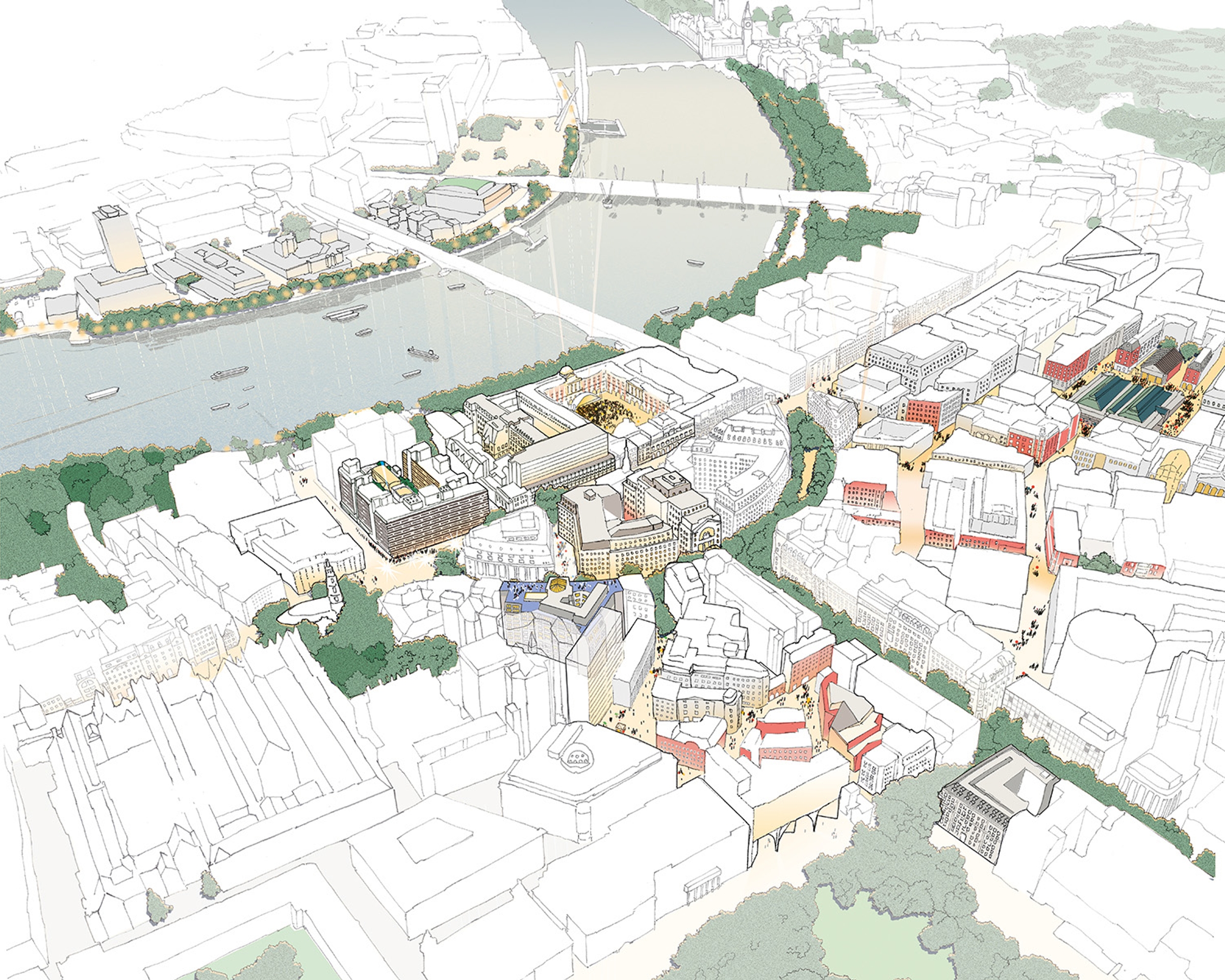
Publica developed a public realm vision for the Bank area’s streets and spaces, setting out how it could evolve to support anticipated future growth in development and increasing number of users. The project was structured in two stages, beginning with detailed stakeholder conversations and consultation prior to the commencement of any strategic design work.
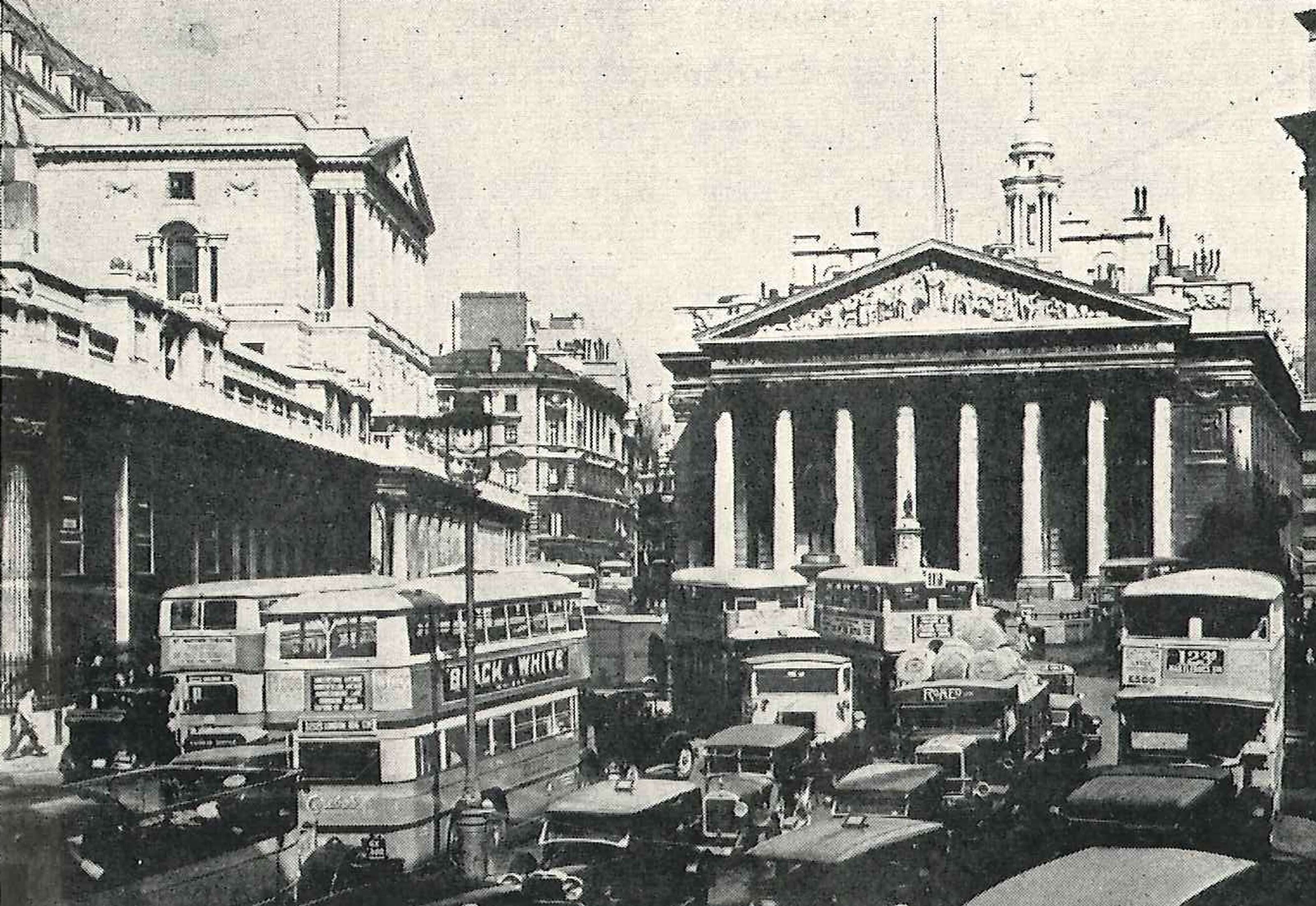
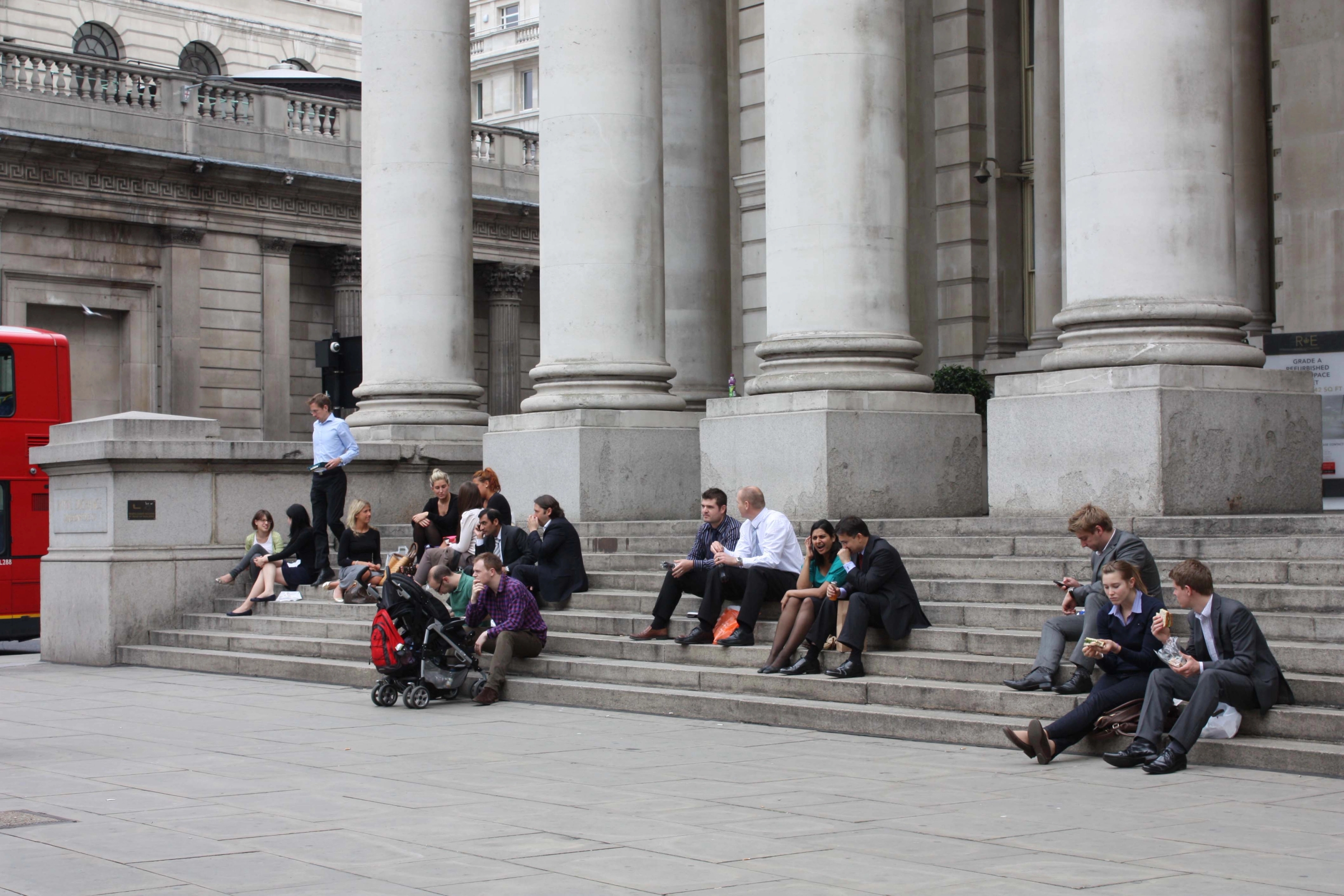
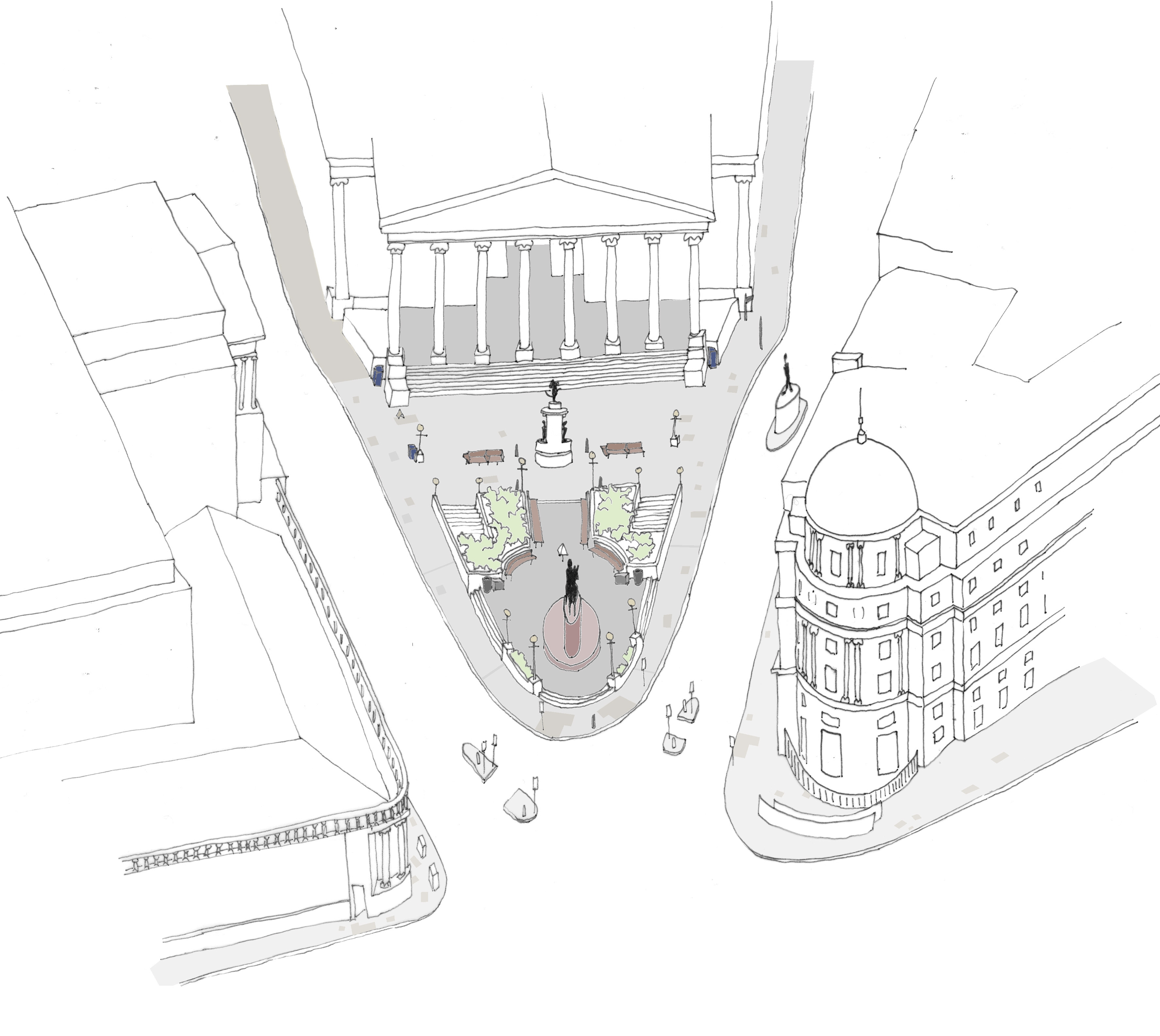
Royal Exchange (1939) A huge rise in the numbers of cars on the City's streets led to a new type of vehicular congestion at the junction in the 1930s, replacing earlier carts and trolleys. Additionally, the number of daily commuters entering the City to work reached a new level (c.500,000 in 1935).

Source: The City of London, A Record of Destruction and Survival, 1951)

A detailed baseline survey was undertaken to document existing conditions, capturing the character and quality of each street through mapping, film and photography. This evidence base informed an extensive multi-strand consultation programme delivered in partnership with the City of London, combining qualitative and quantitative research methods. Publica facilitated large multi-party stakeholder workshops to define shared aims and guiding principles. Key priorities included enhancing the pedestrian environment — particularly around Bank junction — and reducing conflict between different modes of transport.

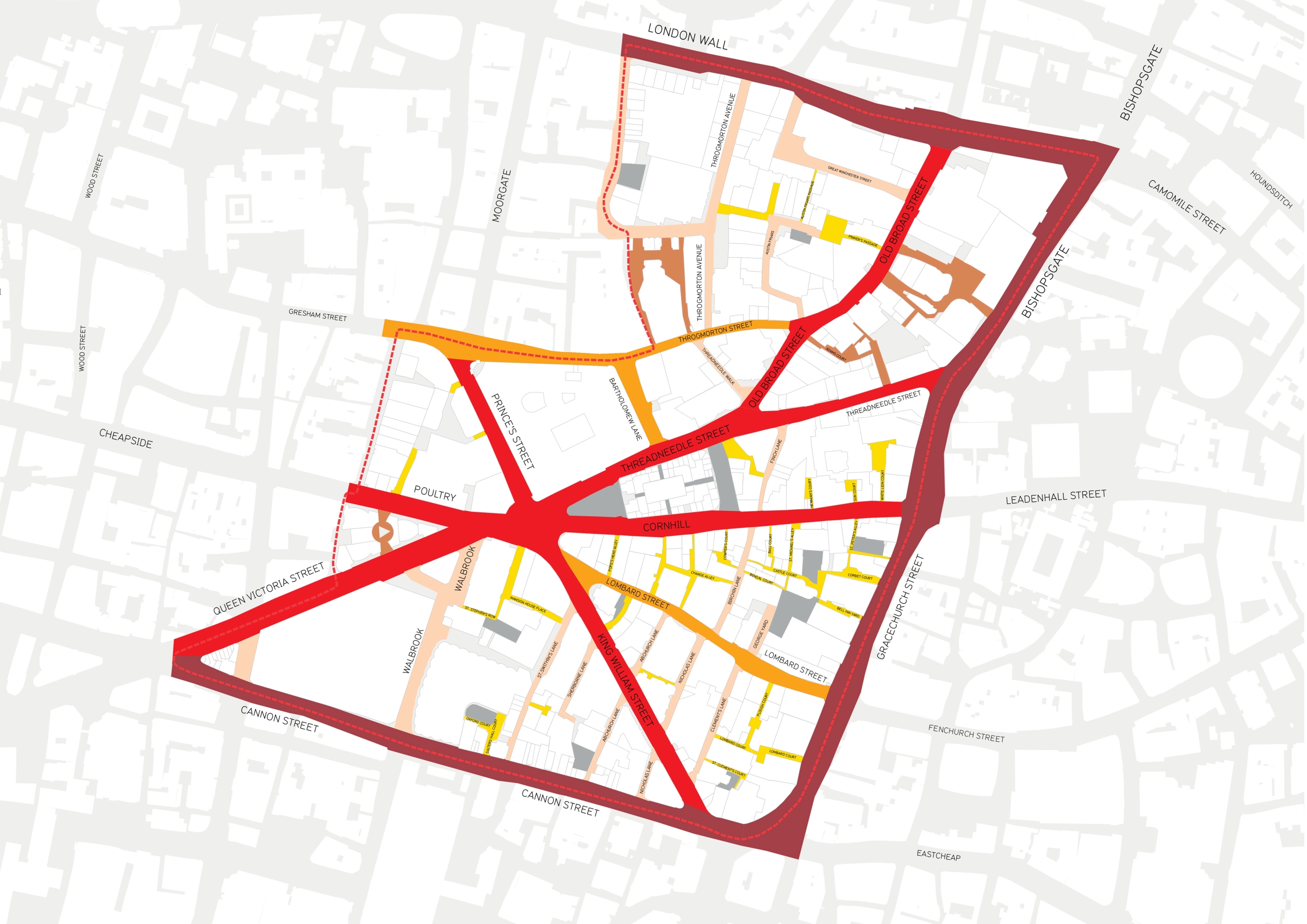
Character of Streets

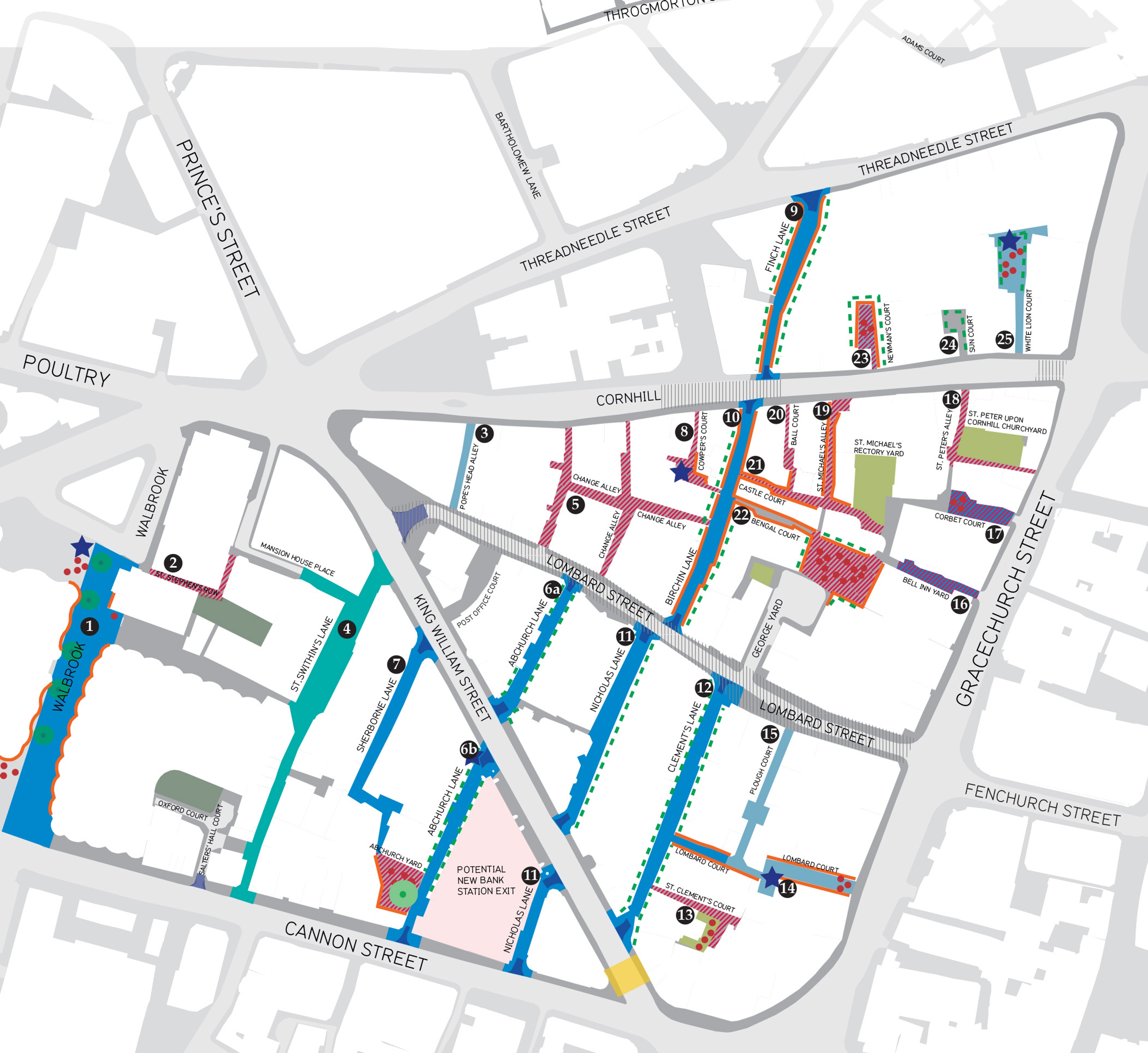
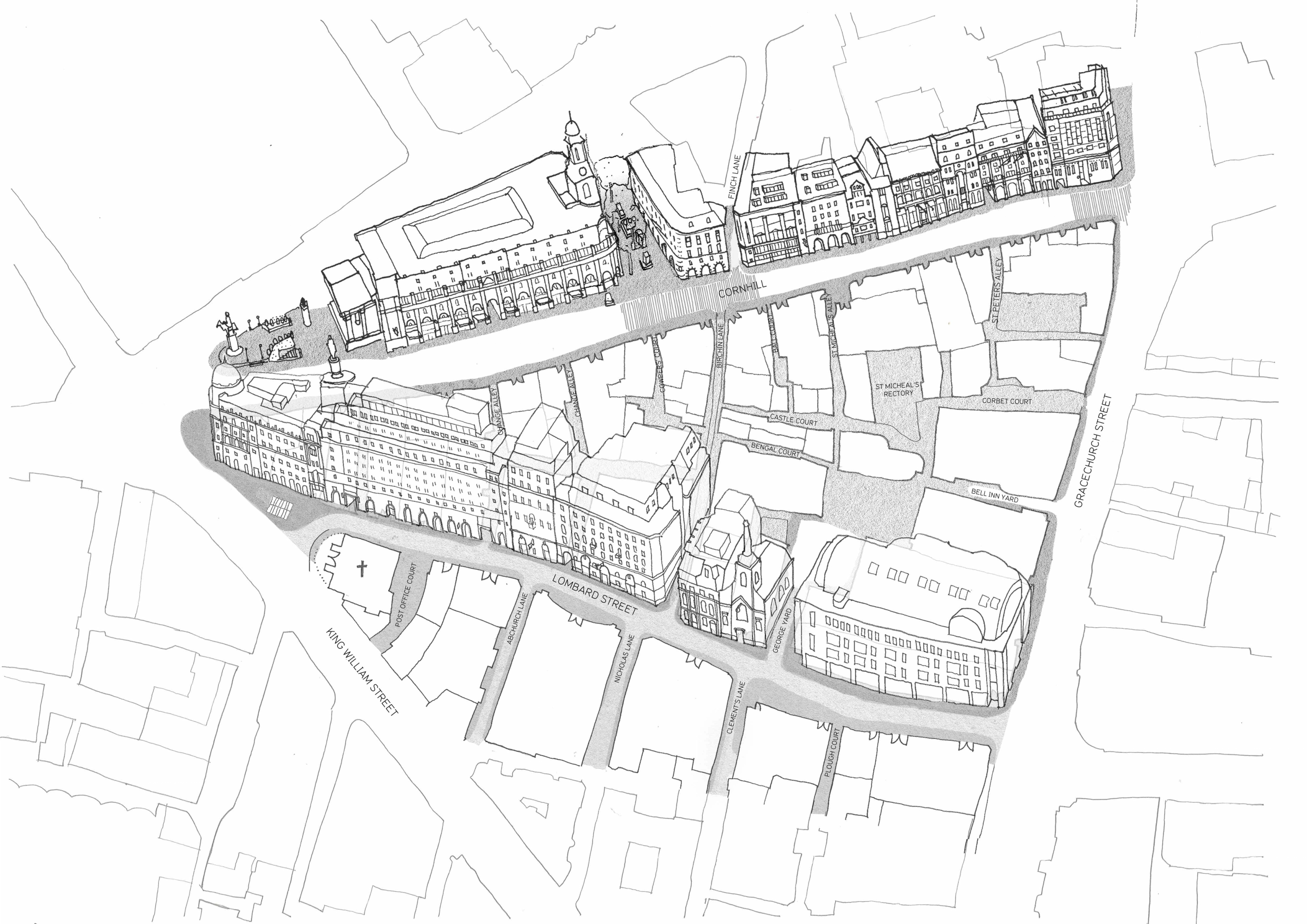
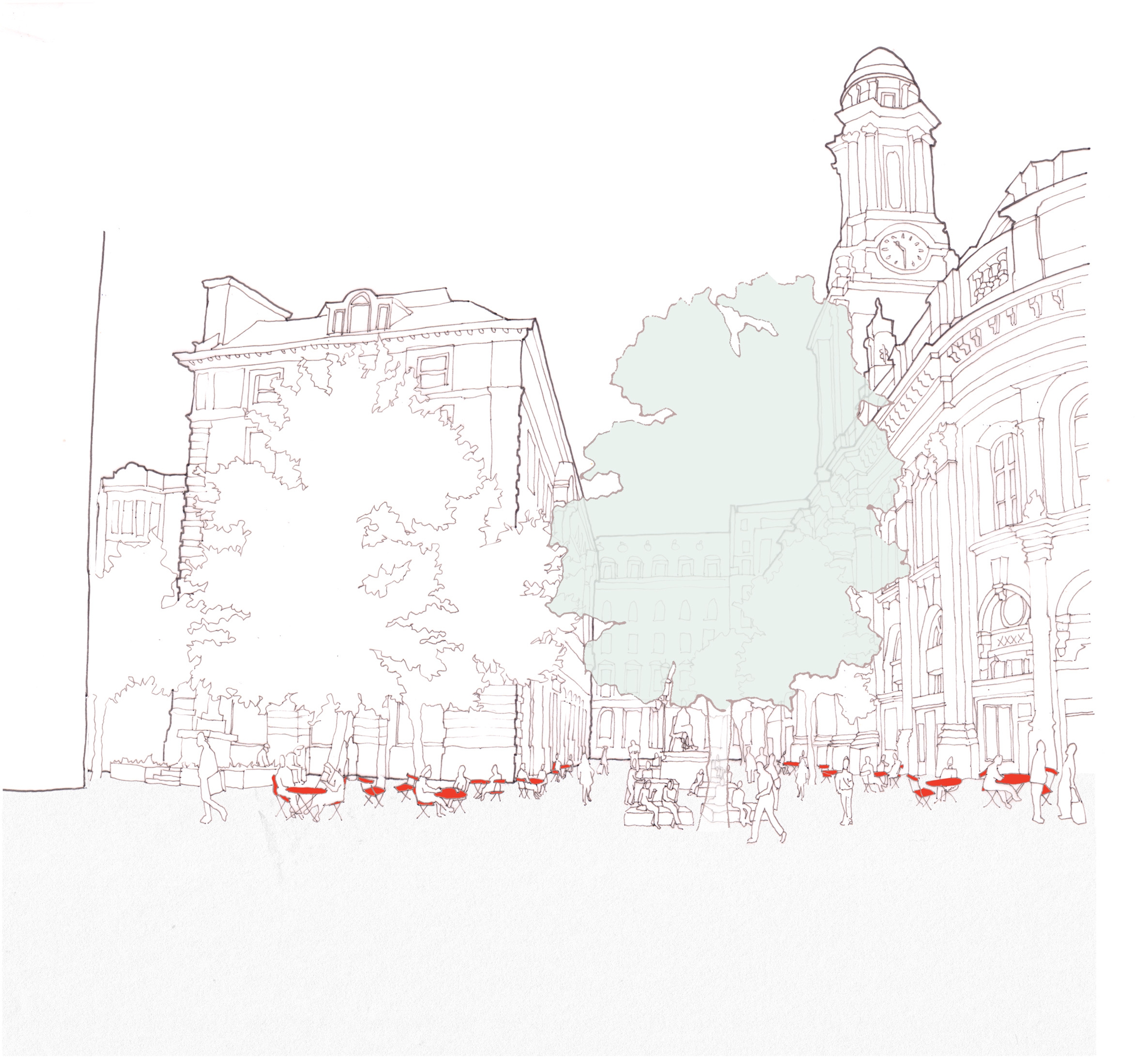
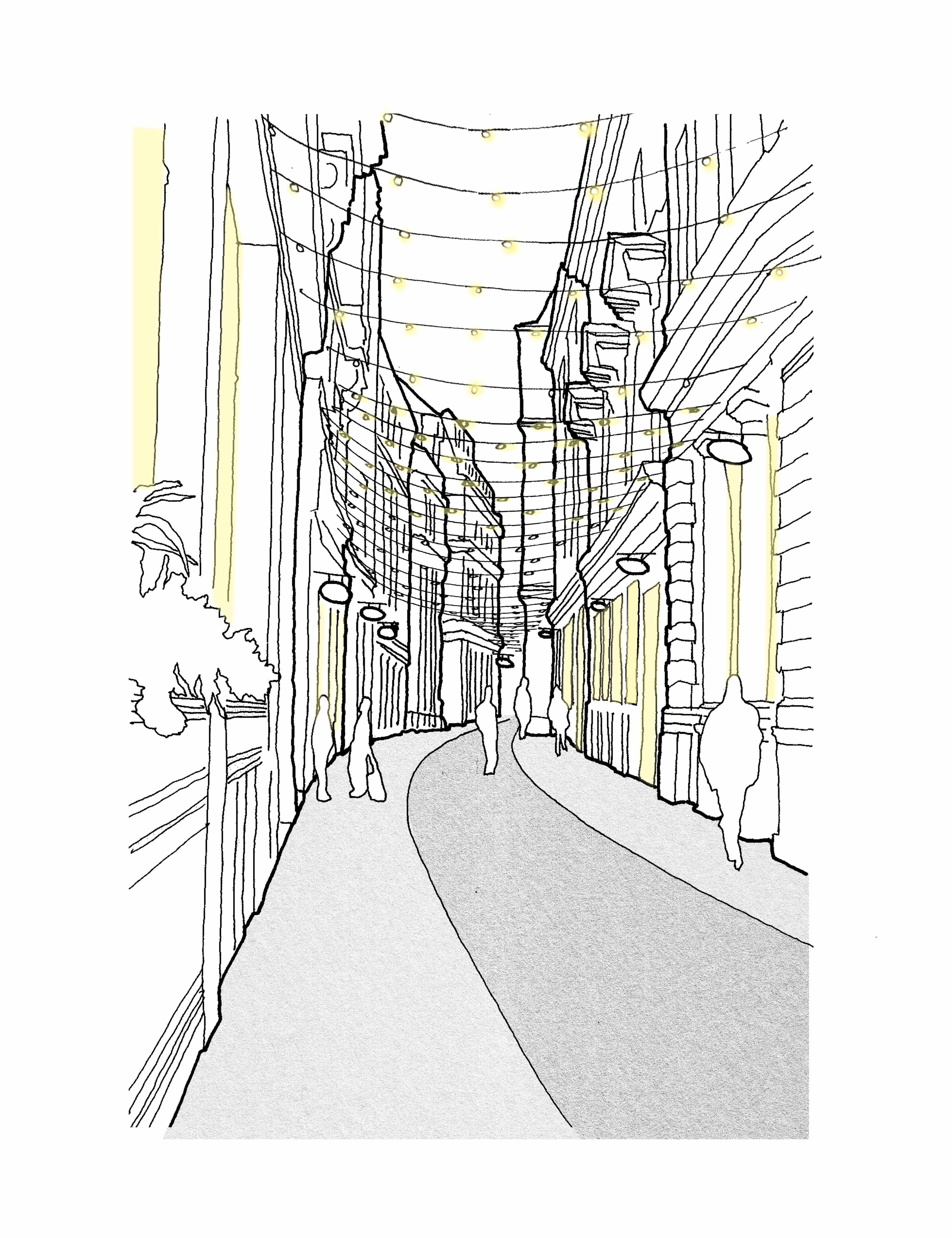
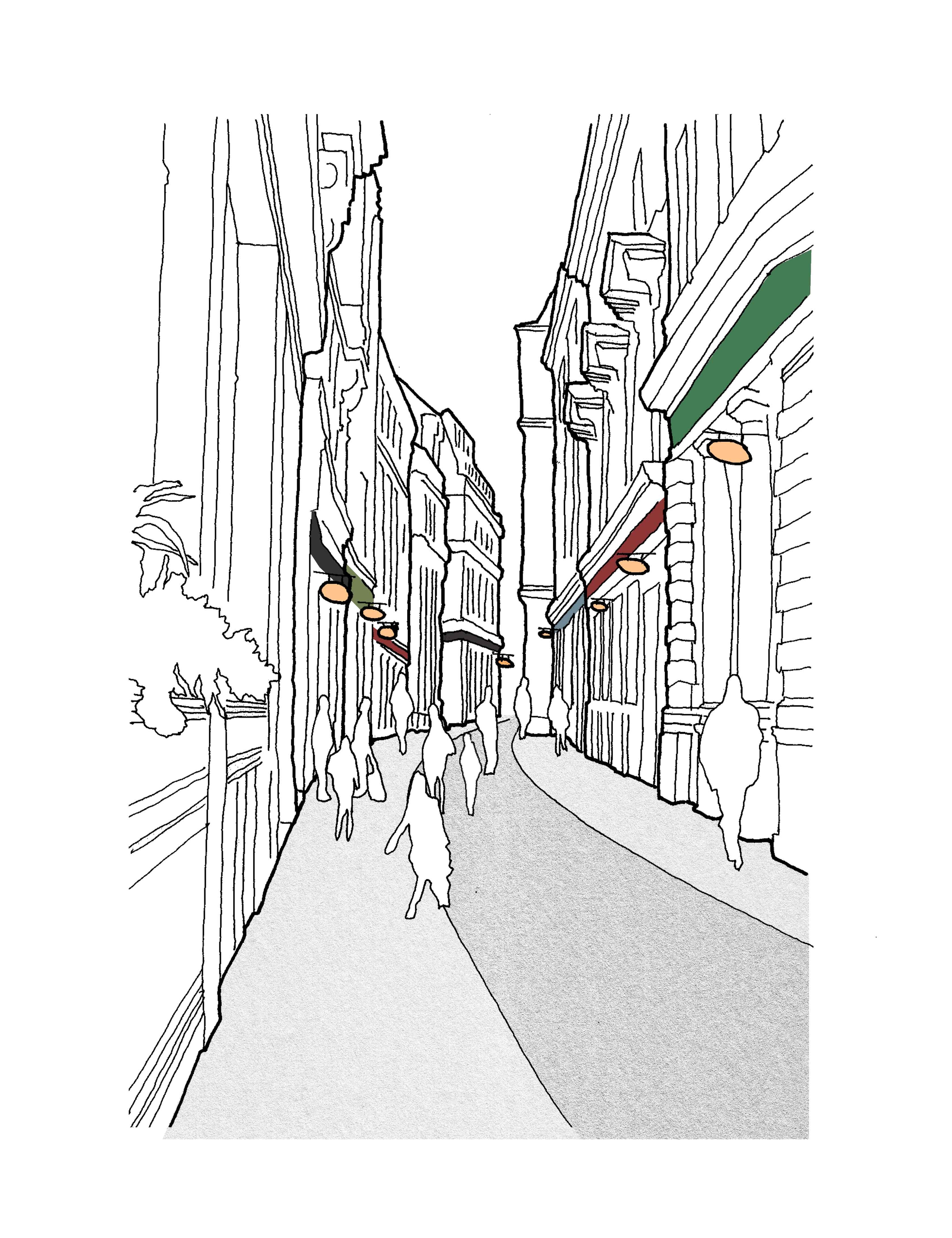
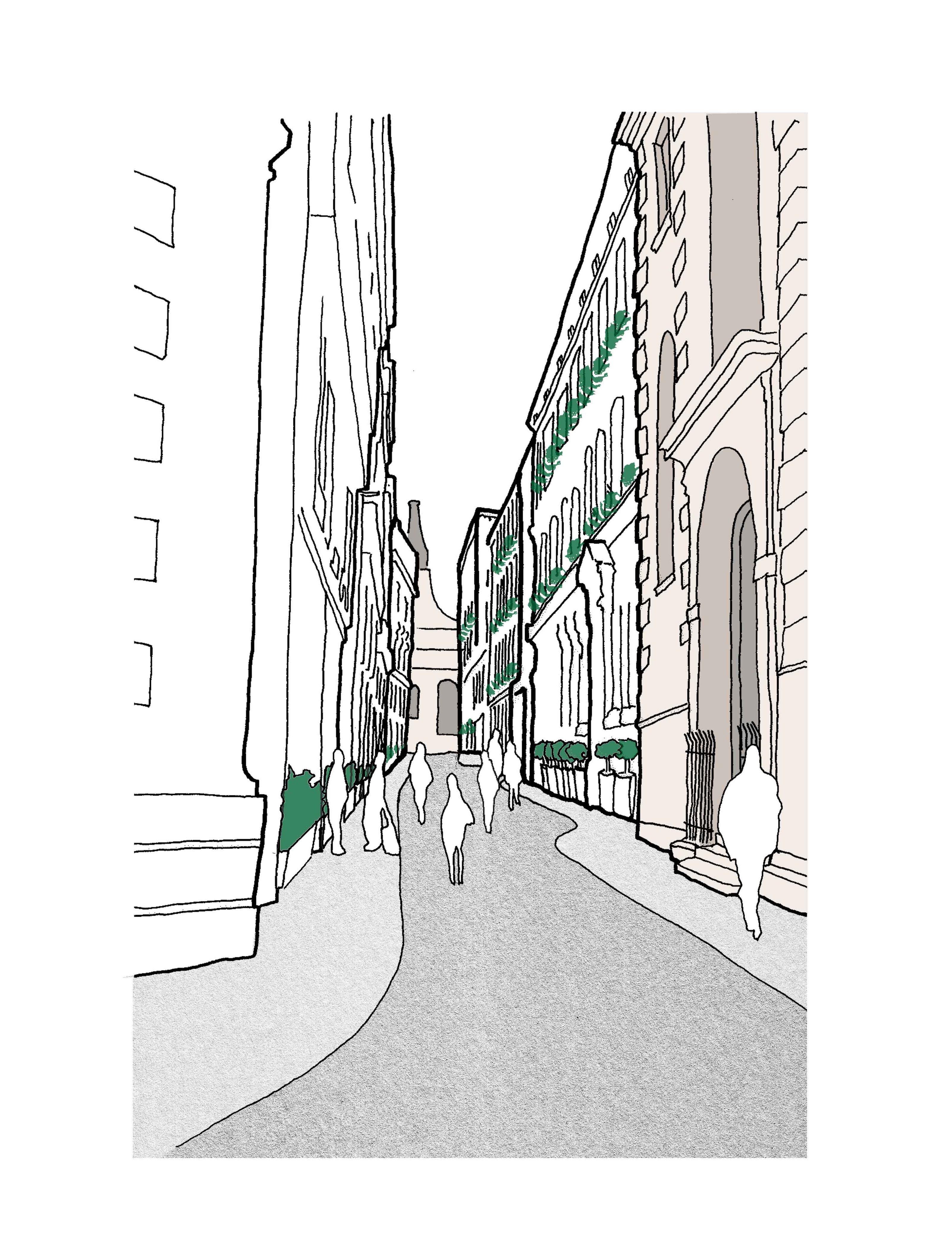
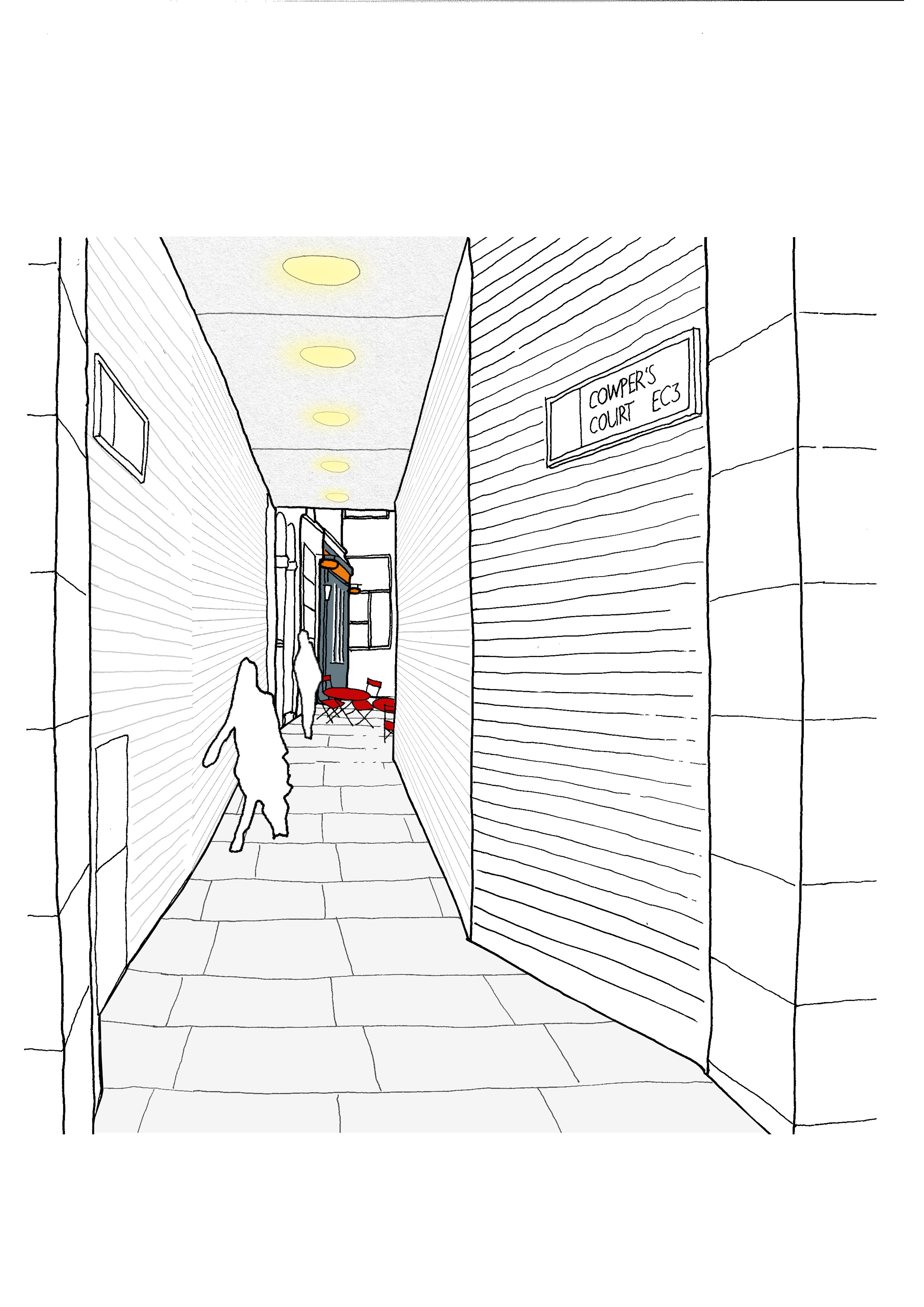
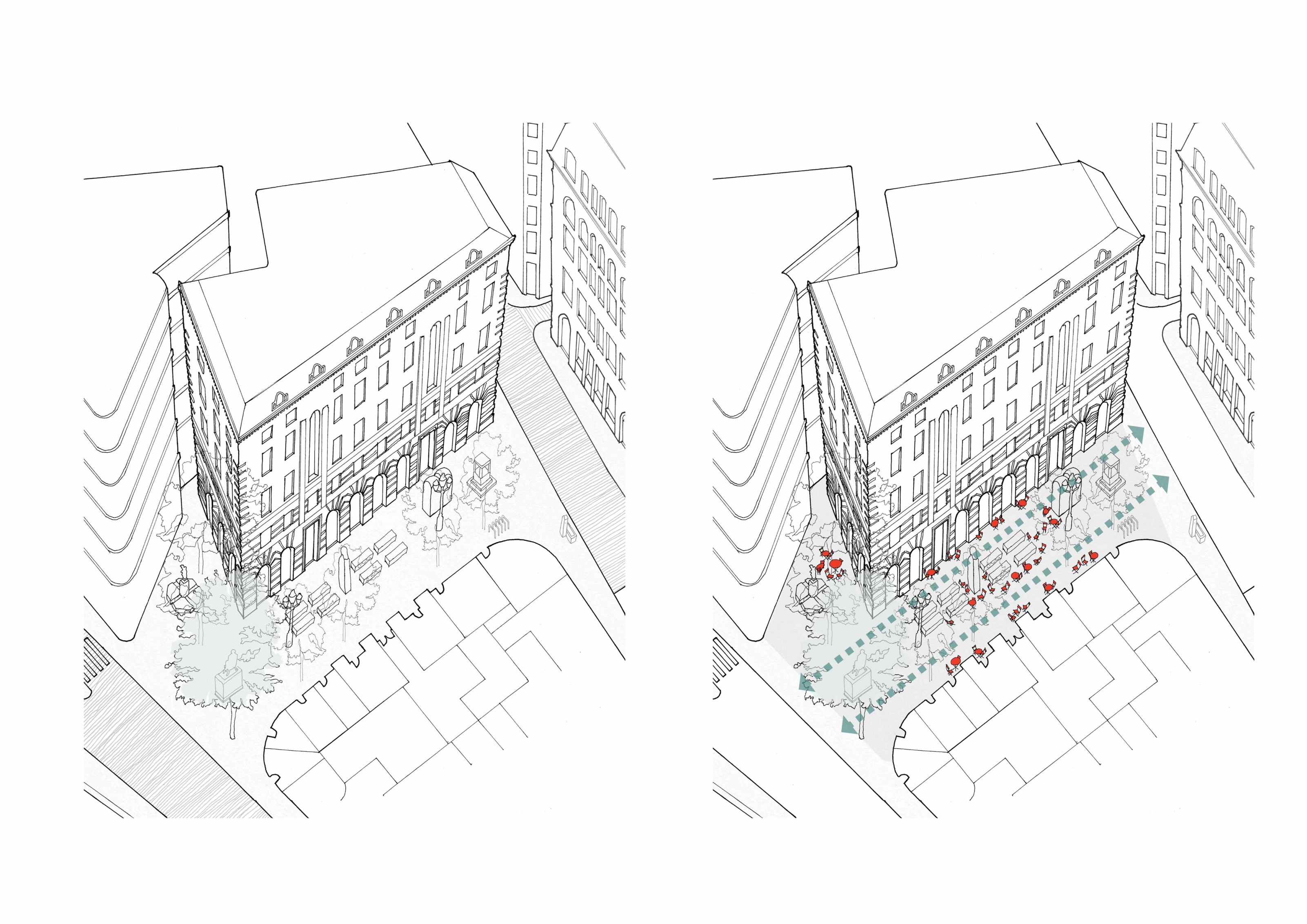
The resulting strategy articulated a clear vision for the Bank area’s public realm and established briefs for identified streets and spaces. It highlighted opportunities to revitalise the area’s historic alleys and lanes as alternative pedestrian and cyclist routes during peak hours and quieter rest spaces at other times. Publica worked closely with transport planners from Atkins and officers from the City of London to develop and refine the strategy.

Following the City’s public consultation on the draft strategy in early 2013, Publica was further commissioned to analyse and report on the findings. The Bank Area Enhancement Strategy was formally adopted by City members in summer 2013.