Photography by Edward Bishop
Burlington Gardens
Reinforcing a new public forecourt for the Royal Academy
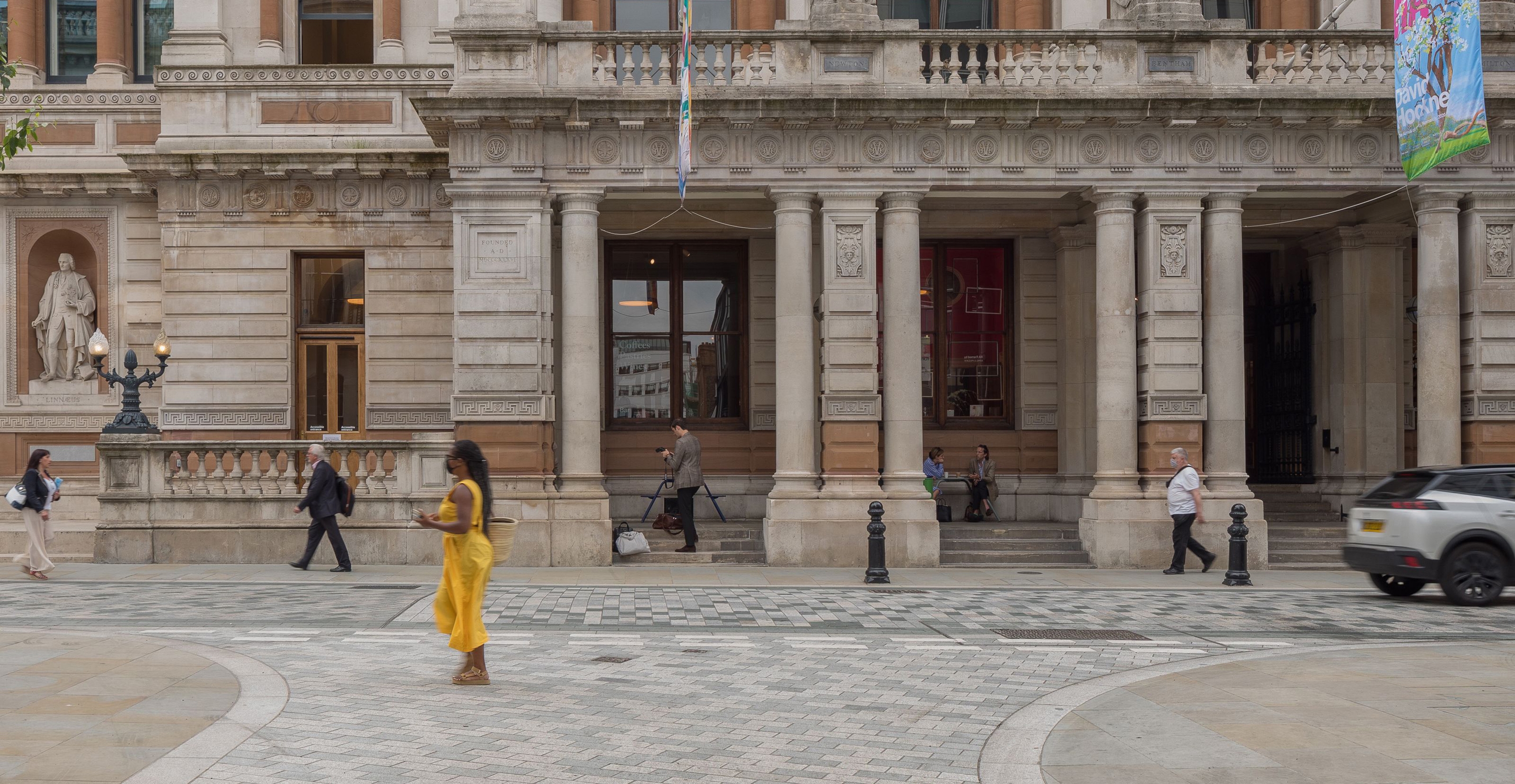
After reopening to the public in 2018 to celebrate its 250th anniversary, the Royal Academy of Arts commissioned further enhancements at its new entrance on Burlington Gardens.
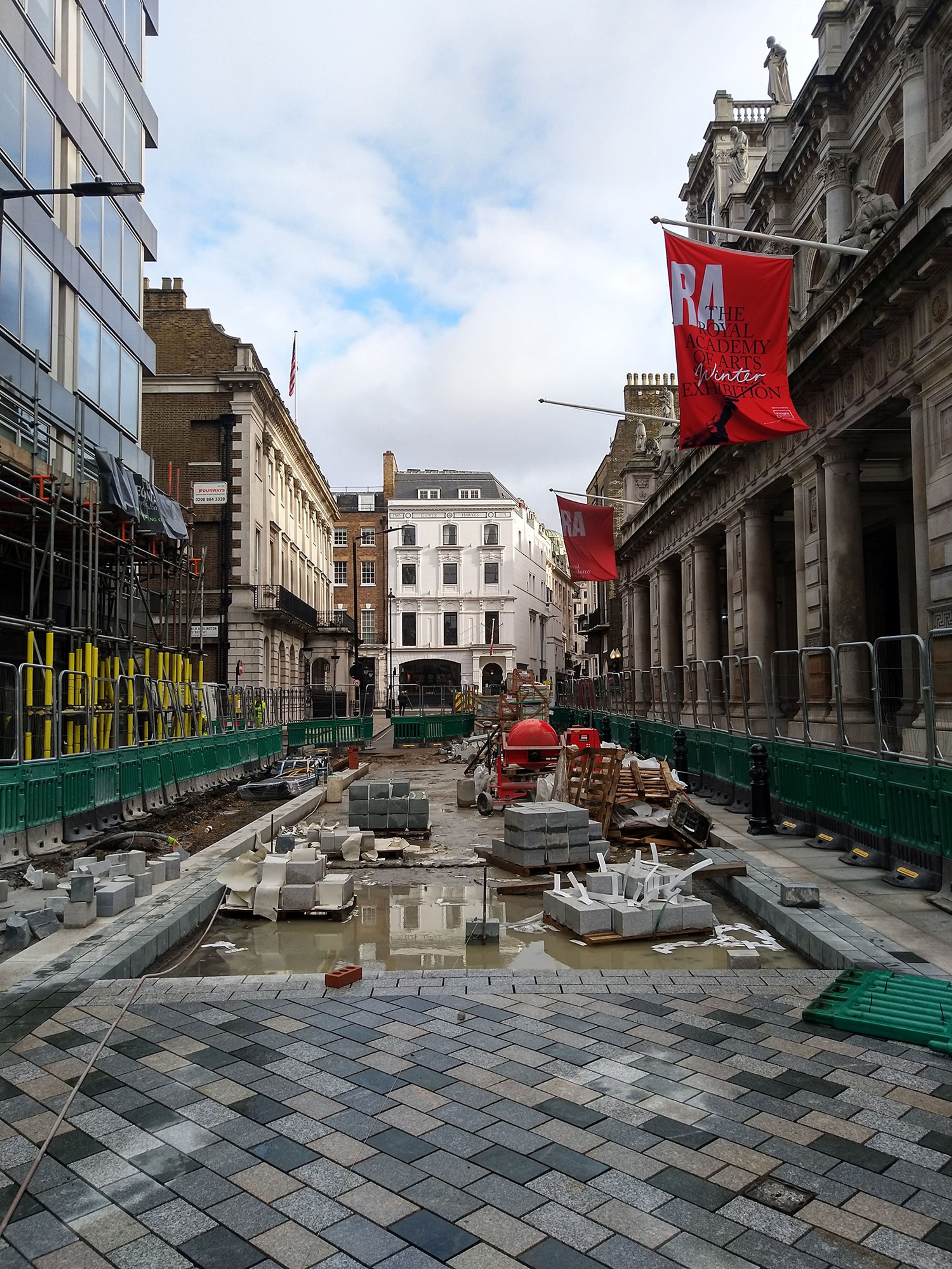
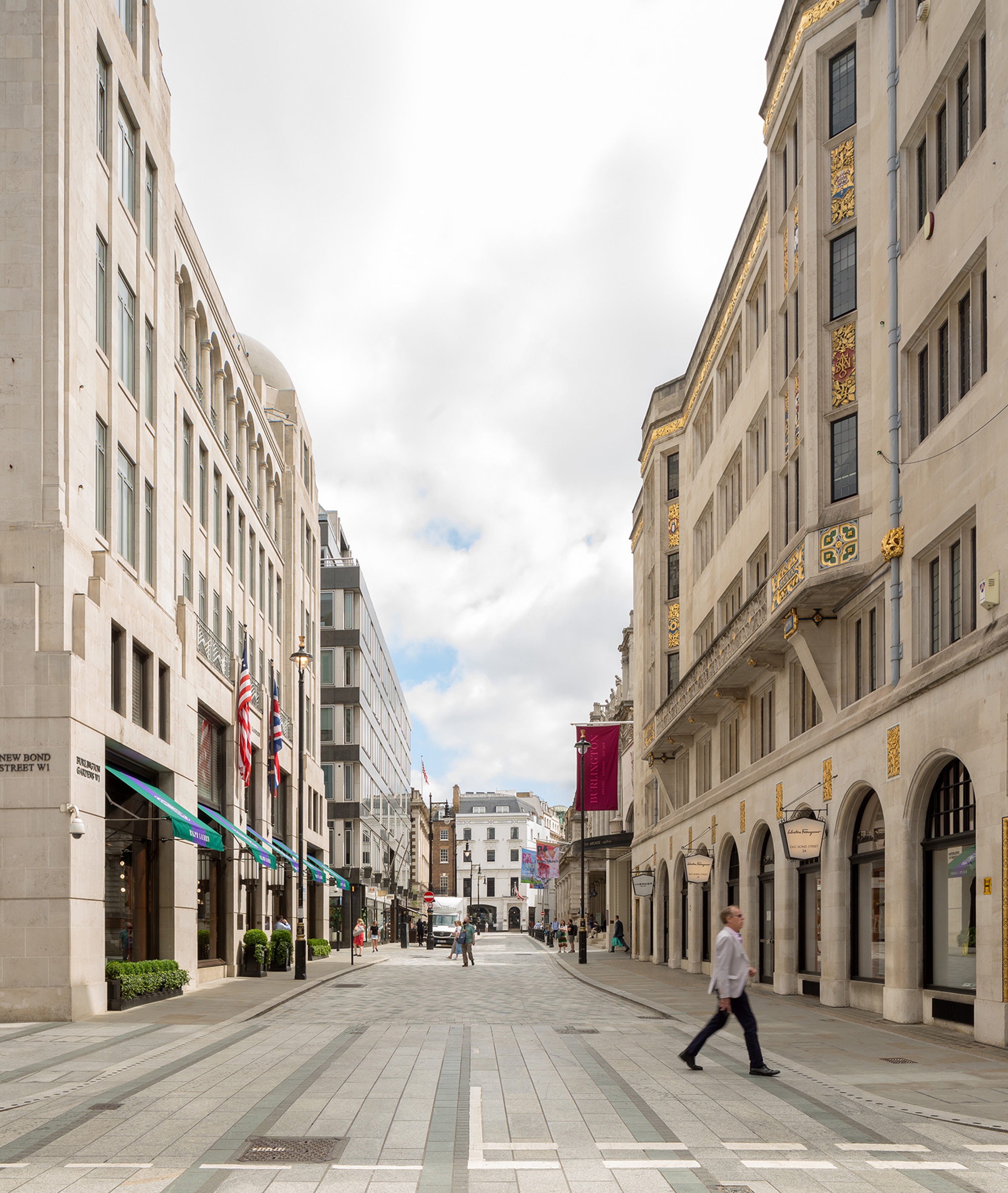
Publica’s extensive redesign on Burlington Gardens supports the regeneration of this historic institution, transforming the area into a major civic space. The design reinforces the Gardens setting as the centre of the London art world by emphasise its role as the forecourt to the Royal Academy’s new entrance, while providing an inviting threshold to several local places in anticipation of the Elizabeth Line station opening at Hanover Square.
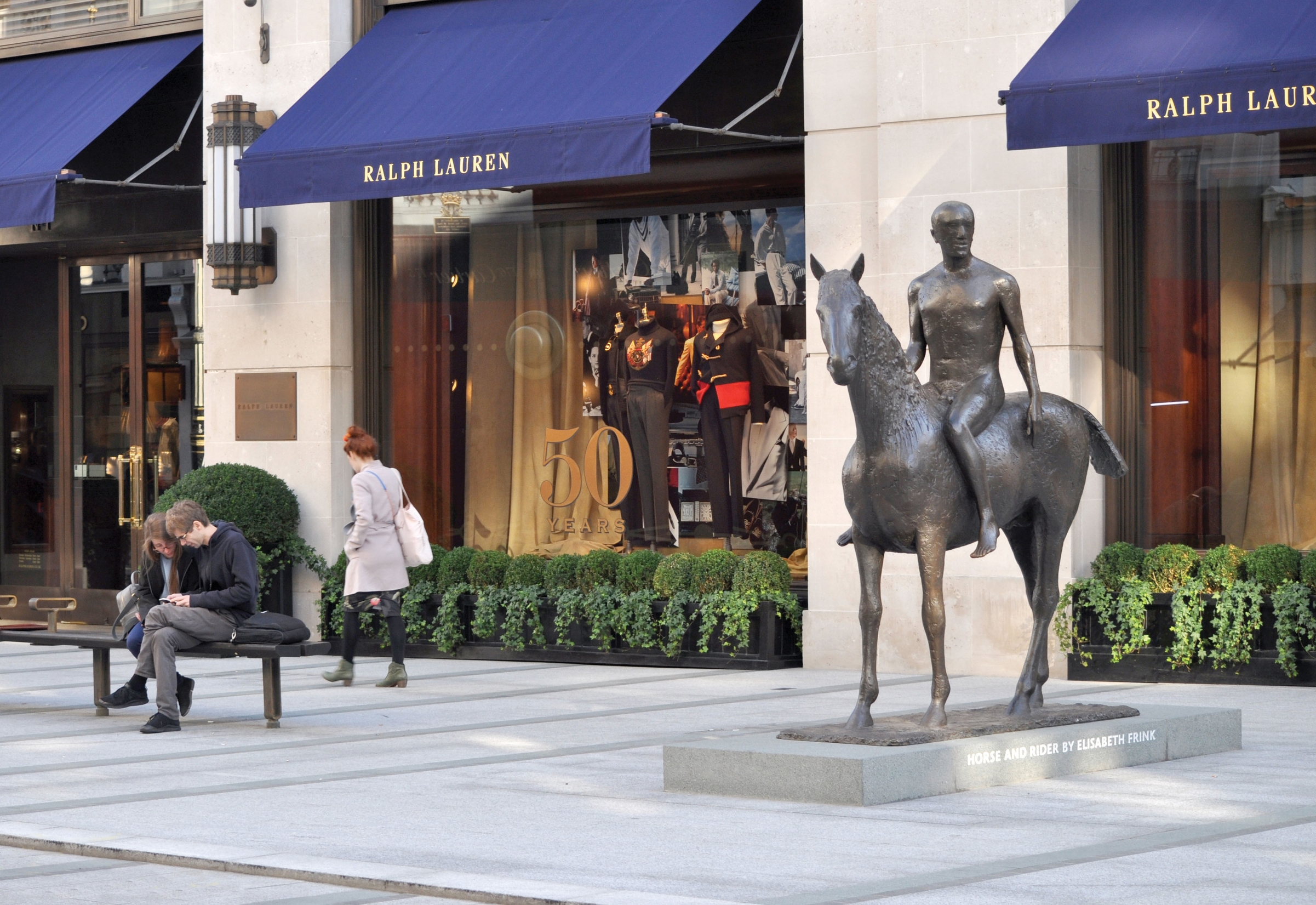
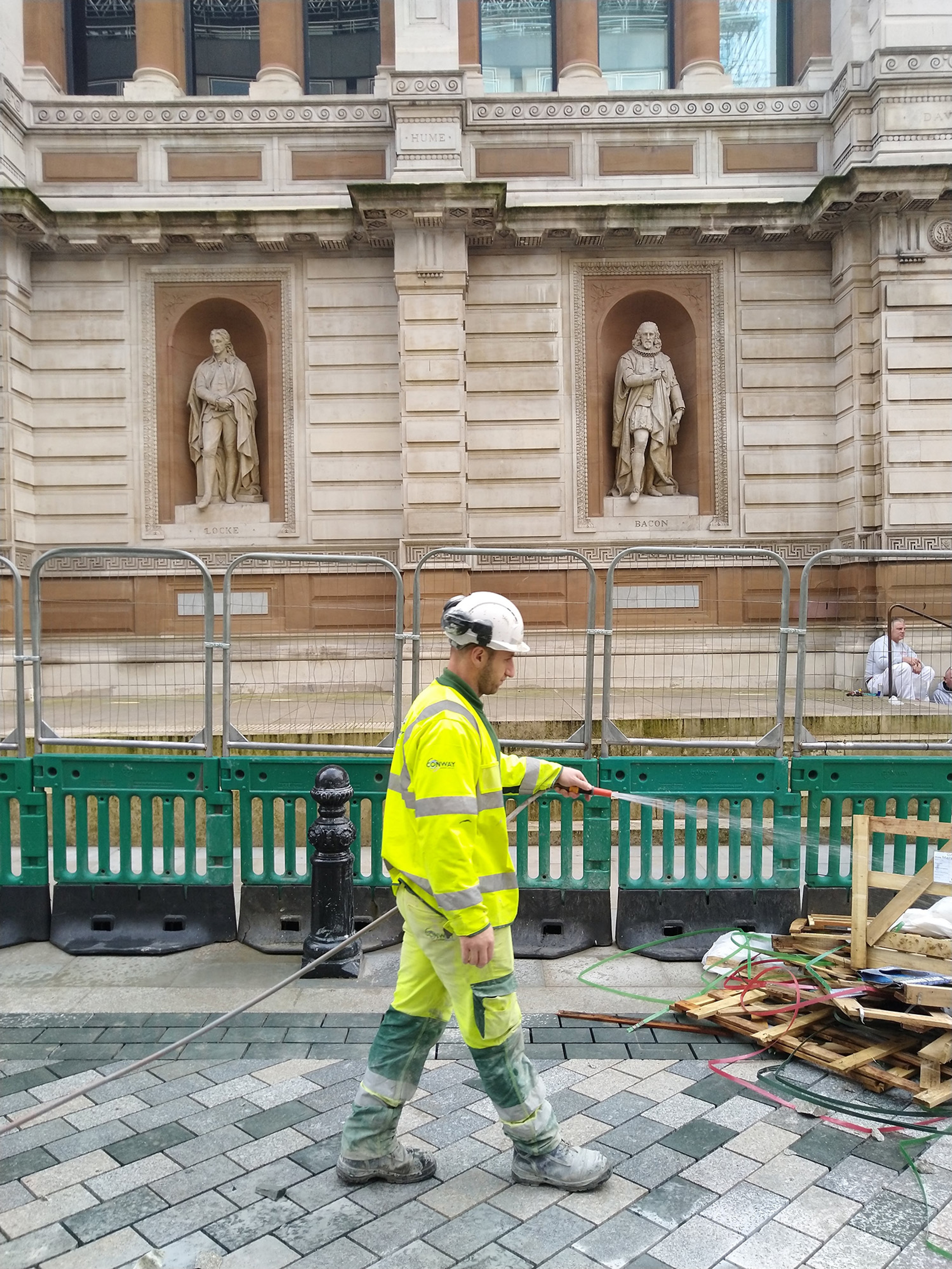
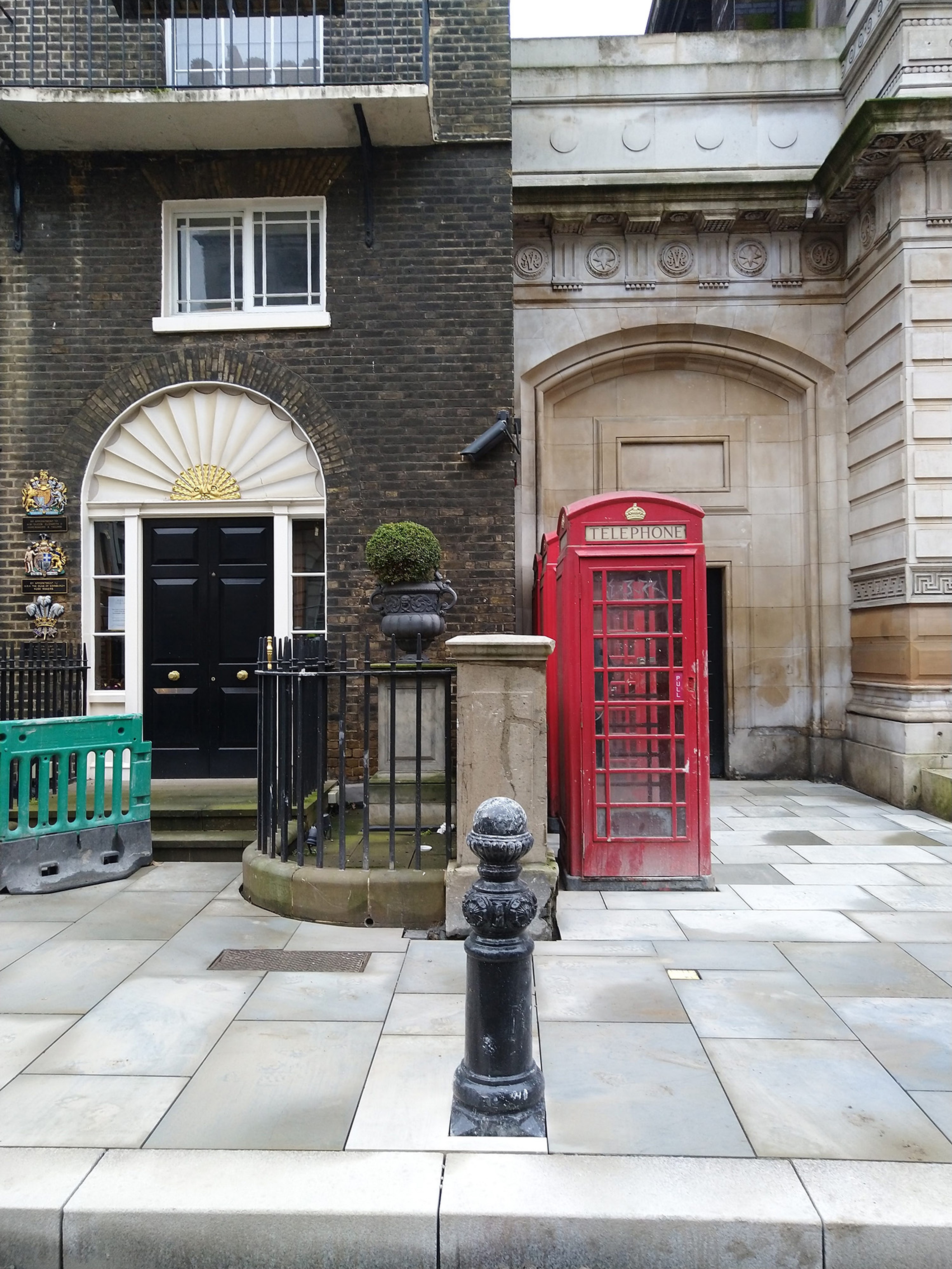
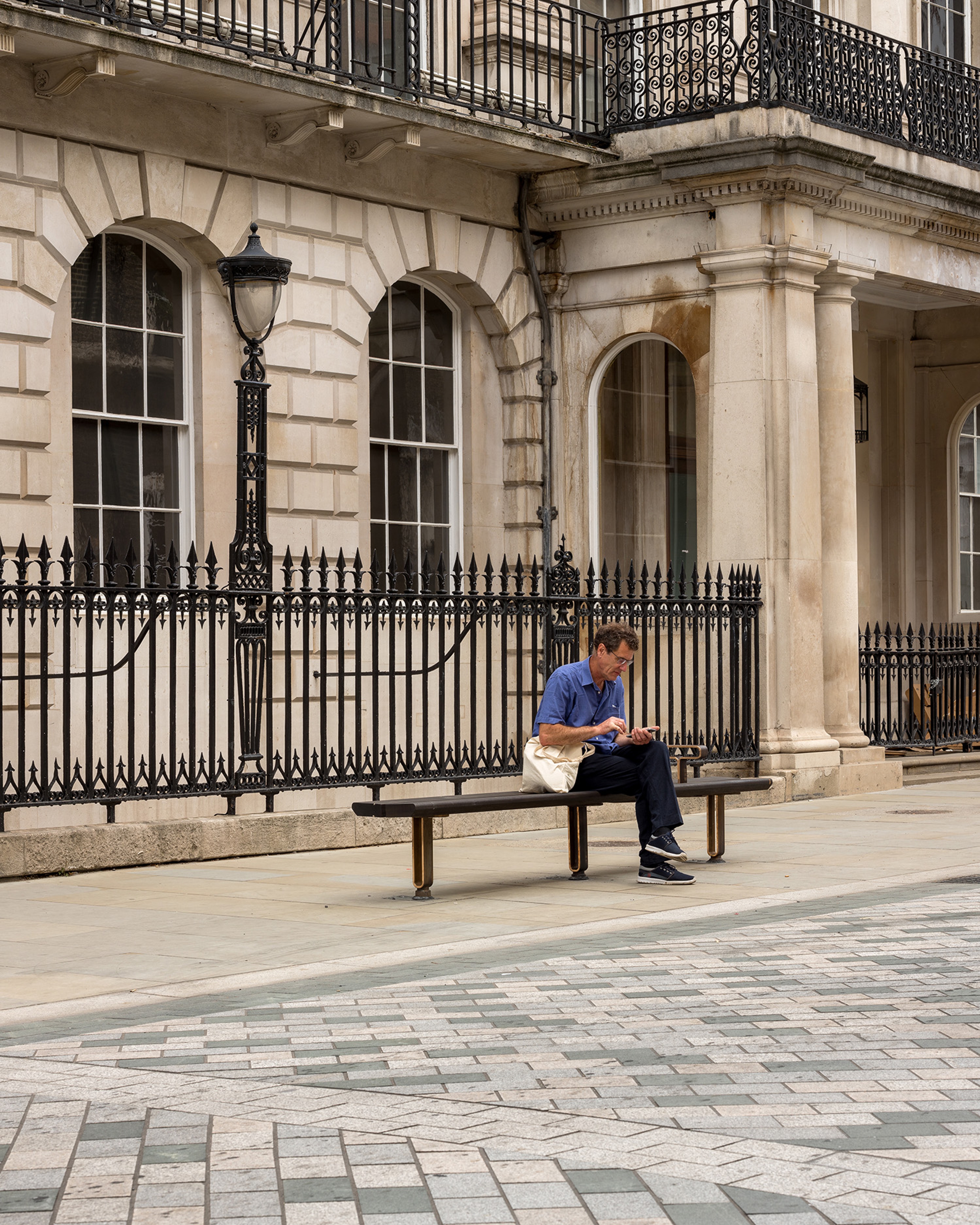
The carriageway has been revitalised as a seamless ‘carpet’ of crafted granite paving, visually inverting the typical hierarchy between roadway and footway. Large emphatic lamp columns now frame the space in relation to the Academy’s architecture, while the street redesign reduces traffic dominance and improves accessibility for all users. Iconic street elements such as coal holes and telephone boxes have been revived and transformed into public art projects by the Royal Academy Schools, enriching the animation of the street.
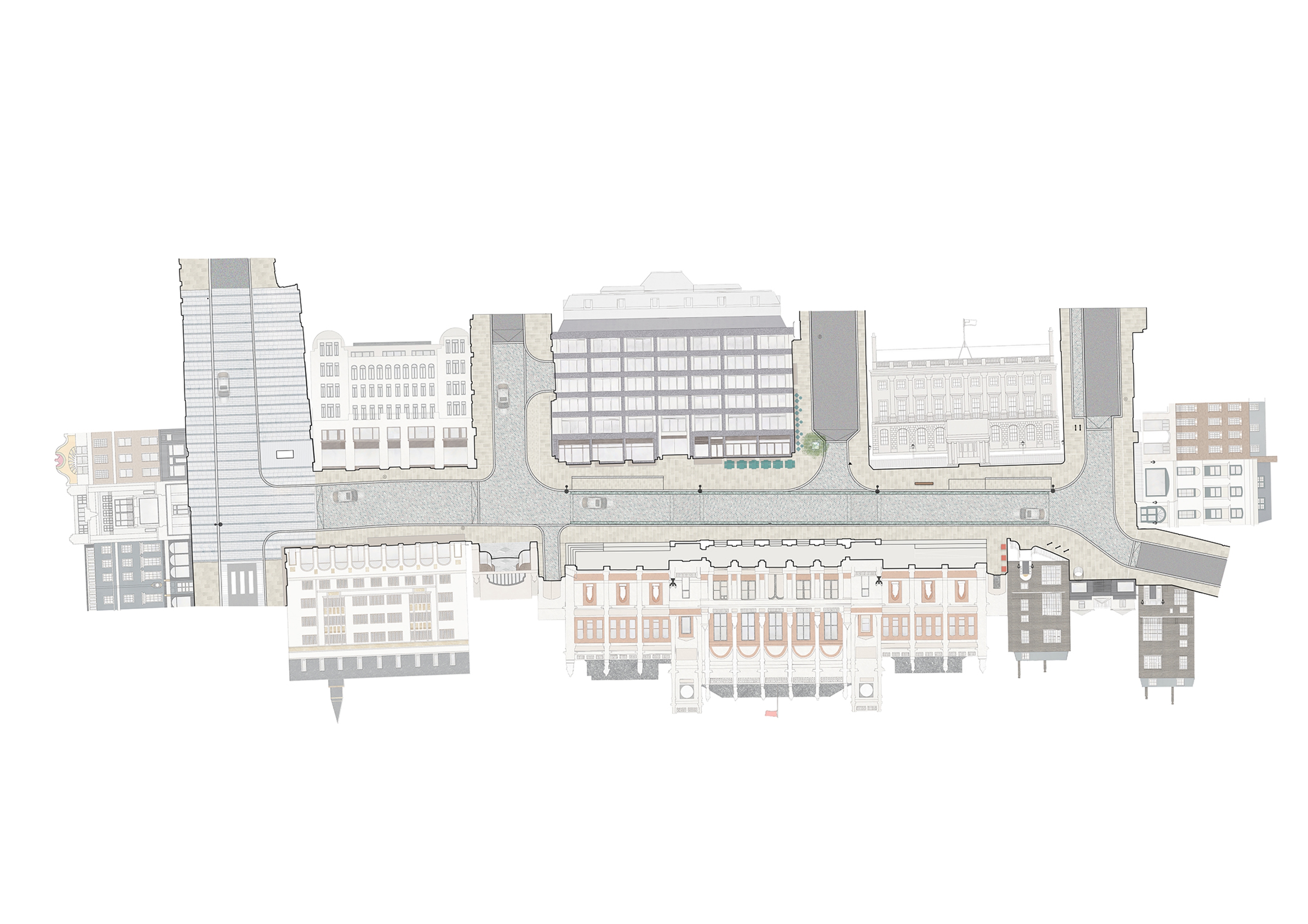

Concept design plan for Burlington Gardens with building elevations


Photography by Edward Bishop
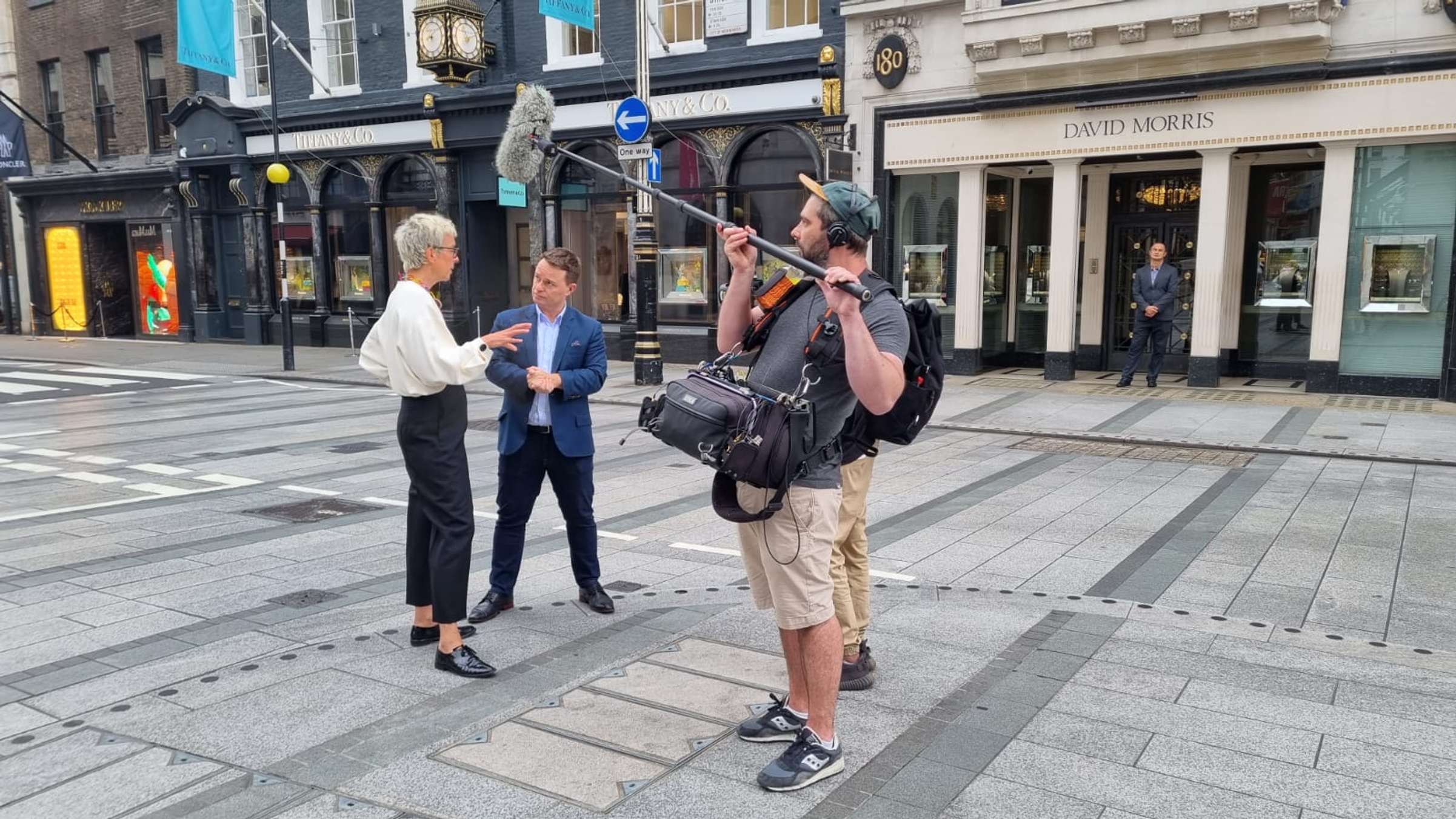
Burlington Gardens used to be a place which was marred by intrusive and polluting traffic congestion, and inappropriate use of all the kerbs in the street for parking and servicing. The street has now been transformed into a place for people to linger, and to appreciate the handsome Royal Academy building, the Burlington Arcade, and the splendid shops and restaurants which line the street.
Cynthia Grant, Project Director, New West End Company
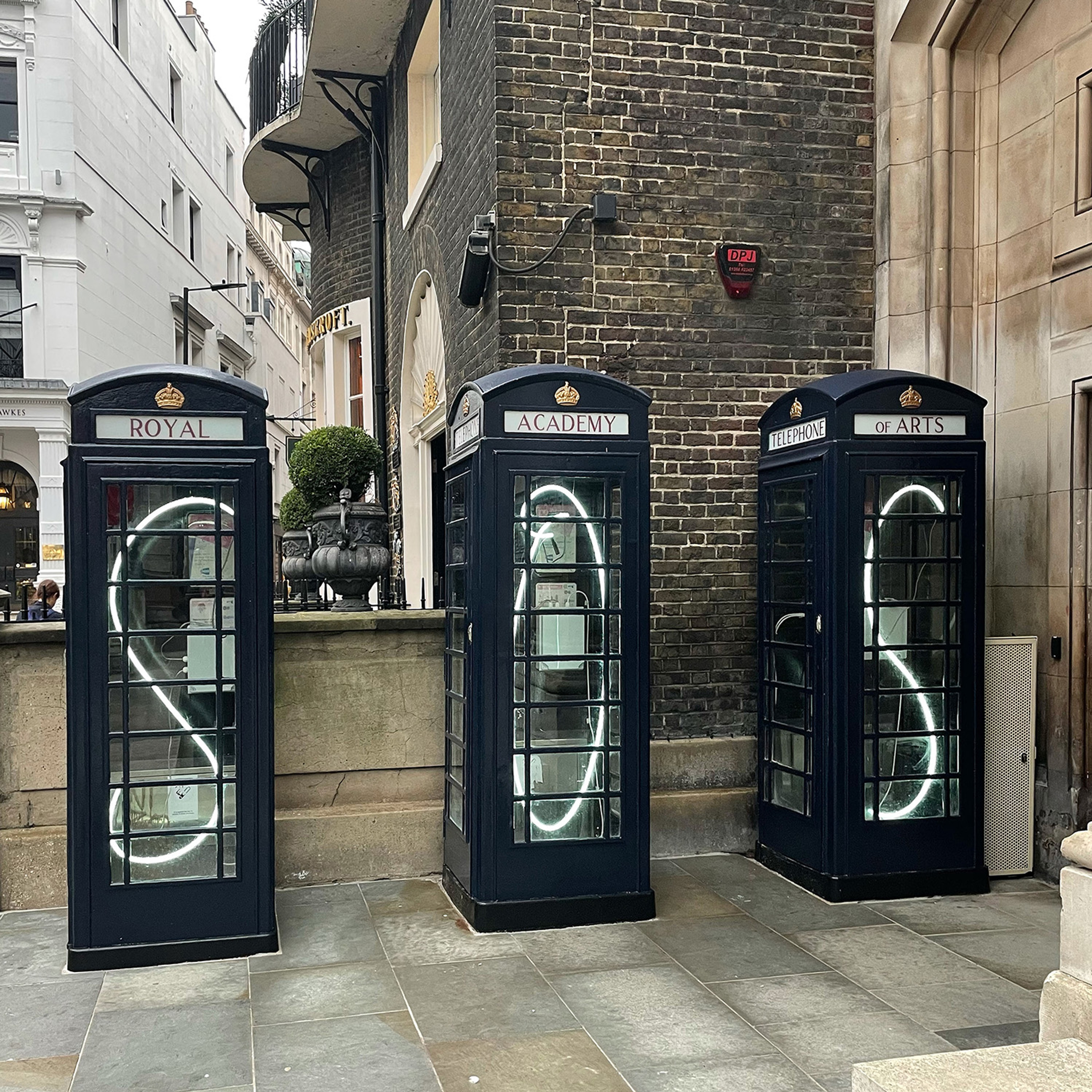
To celebrate the completion of the project, Scottish artist Max Boyla has reinterpreted three traditional phone boxes as an illuminated "SOS beacon". Designed by architect Giles Gilbert Scott and famously based on the proportions of Sir John Soane's tomb for his wife, these iconic boxes are set upon RA land, and as such, the institution felt it appropriate to offer them as a site for a contemporary student commission.
“Originally adapted from the design of a tomb, the phone box has itself become a mausoleum of the past. In a time when people struggle to talk, communicate or ask for help: often pleas fall on deaf ears. The installation operates like a sign or advertisement. It’s direct, yet elusive enough to be interpreted in a variety of ways. It’ll extend to those suffering problems induced or exacerbated by the pandemic, vocalising hope towards the general wellbeing of our society, economy, and frame of mind.”
— Max Boyla, Artist