Photos by Kate Withstandley, Architect's Declare
November 2023
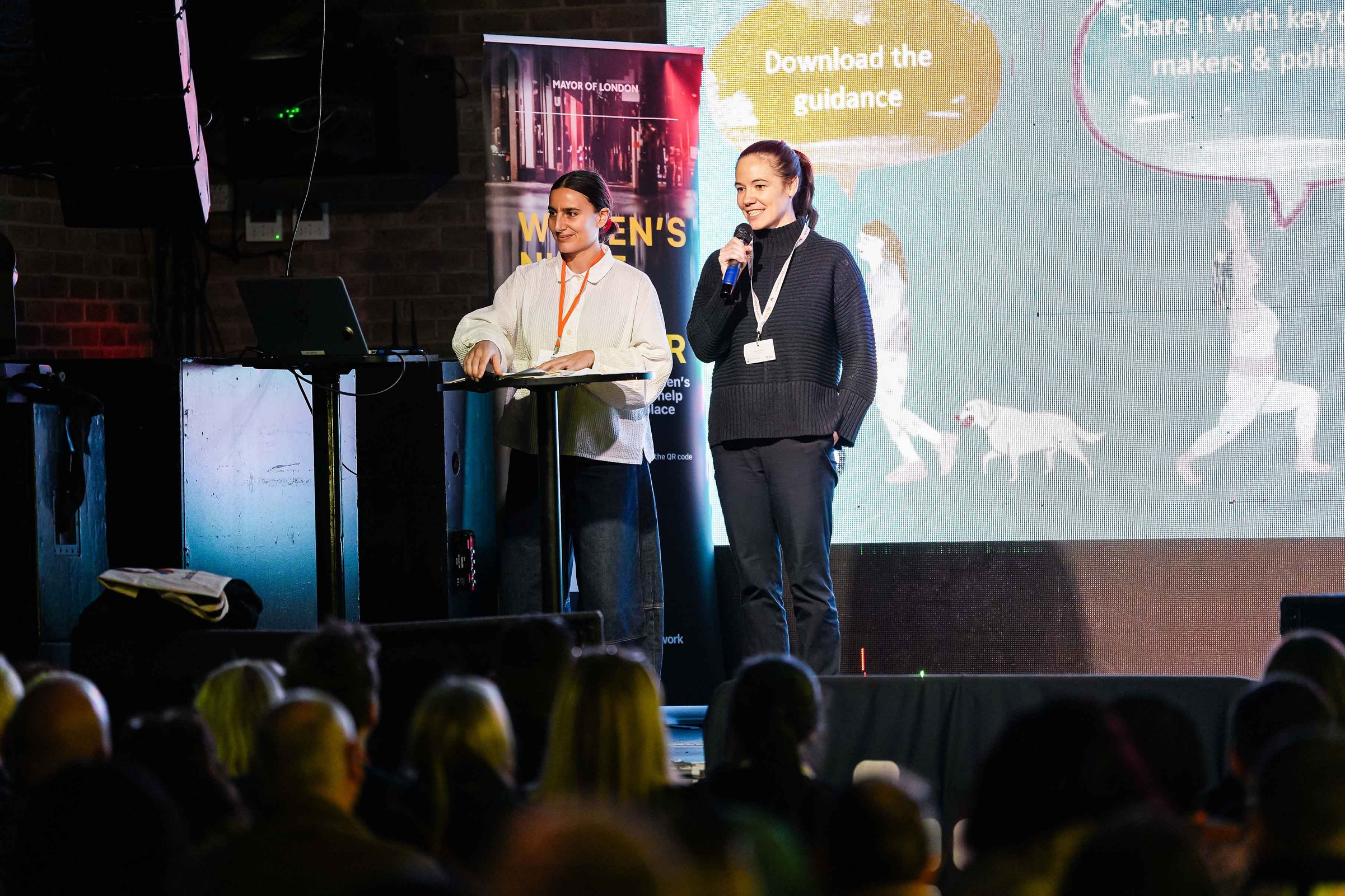
Ellie Cosgrave and Binki Taylor present at the launch of Architects Declare National Policy Framework
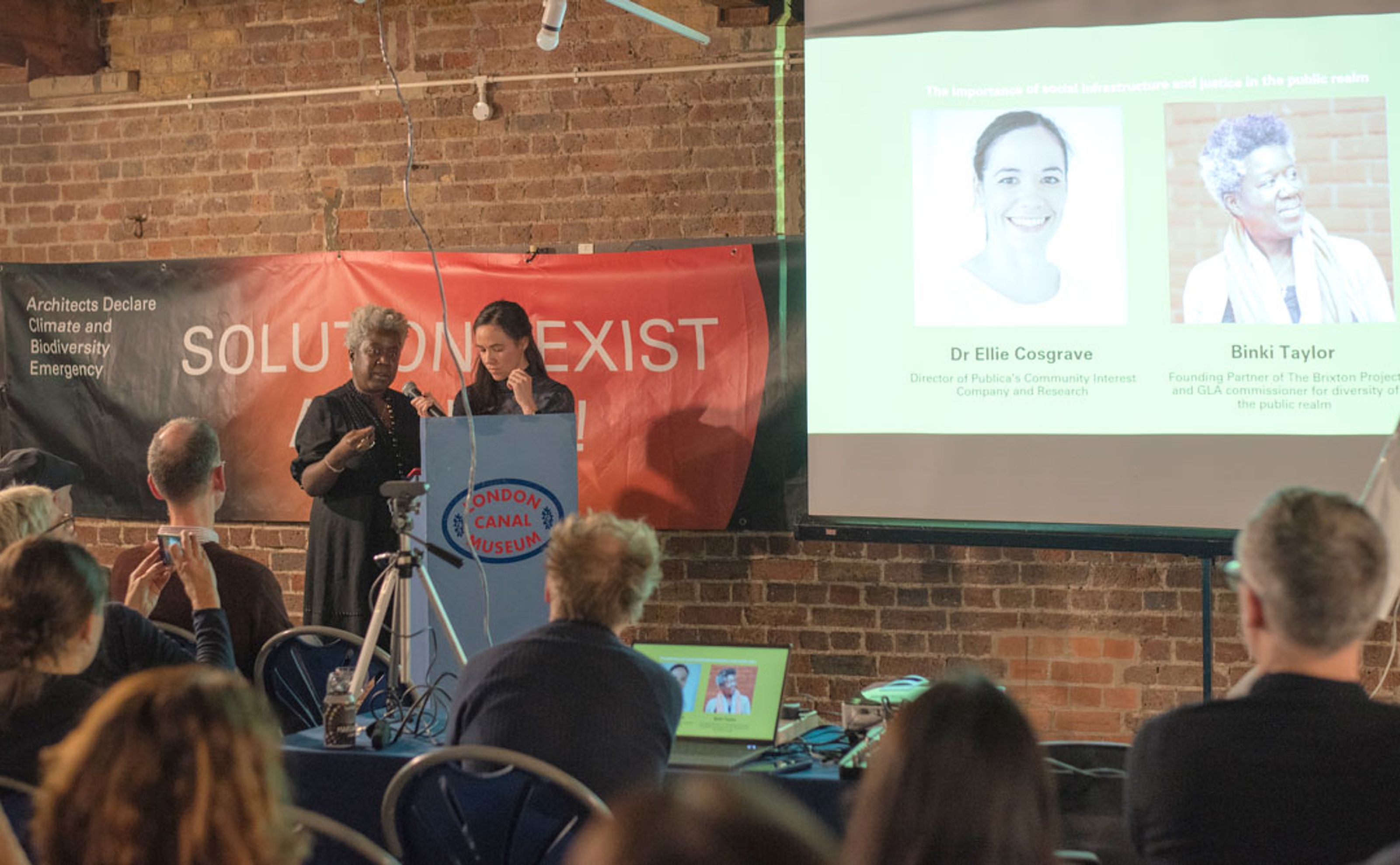
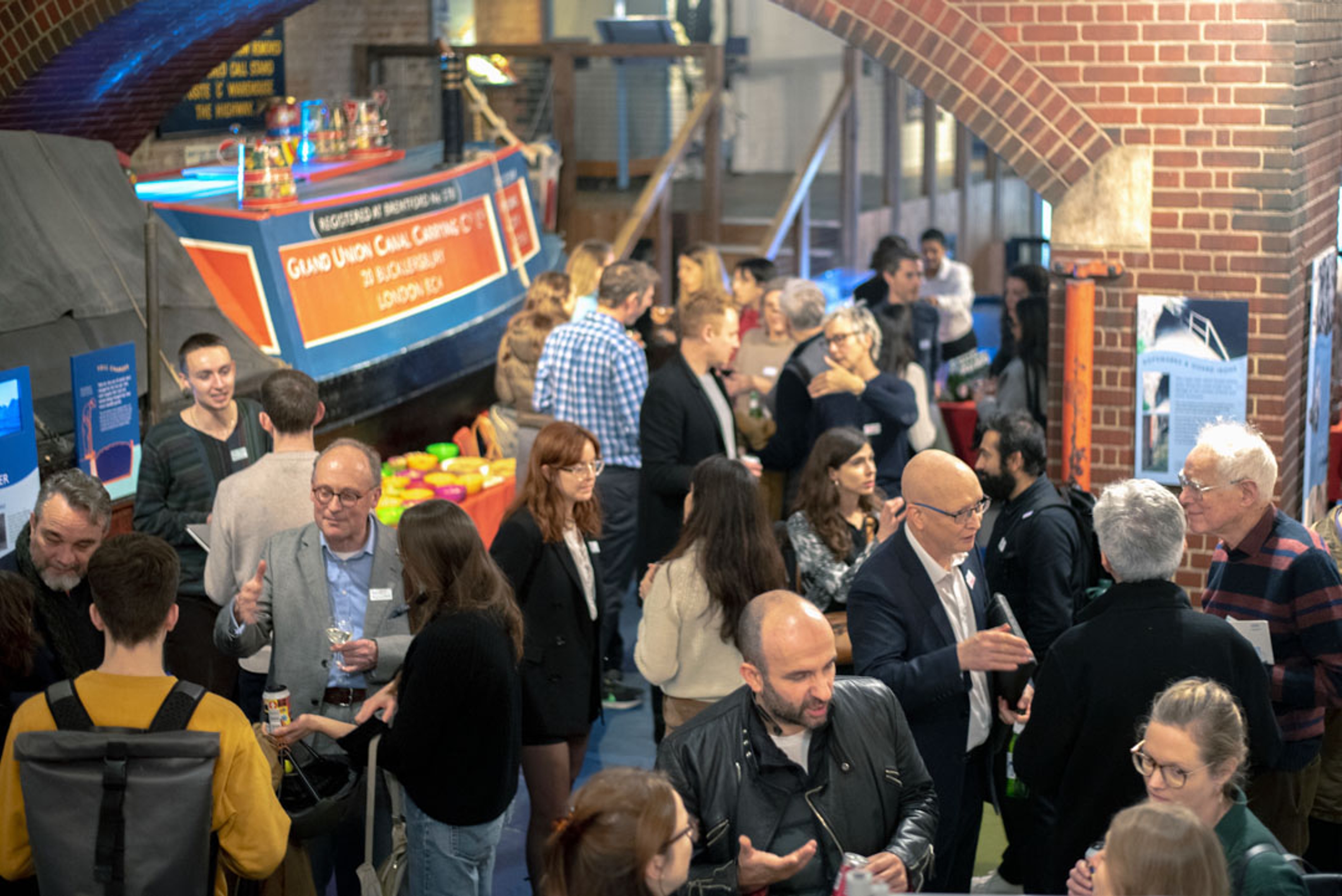
We know that addressing the climate crisis requires systemic change across all industries. This is especially true in the built environment sector, which is responsible for 42% of UK emissions. Last Thursday’s event marked the latest stage of Architects Declare’s journey to create a national policy framework for the UK that addresses the reality of the Climate and Biodiversity Emergency and creates a regenerative built environment, enabling society and nature to thrive.
With practical, impactful and implementable policies, Architects Declare's Building Blocks are Resource Efficiency, Circular Economy and Social & Natural Infrastructures. Underpinned by a foundation of systemic change, they aim to transform the built environment are about creating jobs, improving health, and restoring the natural world.
Kate Raworth opened the event by setting out a framework to understand the overall goal – to meet all human needs whilst respecting the limits of the living planet. This is the theory of Doughnut Economics that she developed in her 2017 book, and is now making practical in local communities, cities, regions and economies globally through the Doughnut Economics Action Lab.
In their discussion, Ellie and Binki discussed the interrelationship of urban development, climate action and social justice.
“The reality is that the people most affected by climate change and by poor development projects are people who are least responsible for them and who have the least power in decision making processes that shape them.”
Binki Taylor, CIC Chair
They went on to argue that to address this, the built environment sector must be to be inclusive and participatory throughout development processes. This requires a willingness to rebalance power across projects; developments wishing to meet local needs must grant local communities an equal seat at the table, also highlighting that alternative financing approaches to housing developments must be explored.
They concluded with a reflection on new skills that the urban development sector need in order to be able to co-deliver thriving communities within the boundaries of the living planet.
In facing the climate and social emergencies of our time, we need the built environment sector that is willing to not have all of the answers, that is able to collaborate, and that is able to work with and integrate difference.